A list of the problems that bedeviled Burgundy’s vignerons during the 2024 growing season rivals the trials of Job. After two consecutive sunny, hot and dry vintages, winemakers were met with a year of rain, rain, and more rain. In fact, rainfall totals in 2024 exceeded 2023 and 2022 combined. The water induced a poor flowering (particularly in Pinot Noir), and washed off vineyard treatments against mildew within days or even hours of application. Some growers told us they had to run their tractors into the vines nearly twice as often as usual (thus at twice the cost), and some reported conditions too muddy even to use a tractor at all. But as Jasper Morris put it in his meticulous report on the vintage, “a miserable growing season does not have to translate into miserable wines.” As we get our first look at the bottled wines from the vintage, we completely agree. Despite all the rain, the temperatures were slightly above average, and that meant that most grapes were able to ripen fully by the harvest. Though success was variable among domaines and even within them, the vintage has yielded some beautiful wines that we are pleased to bring to you. As usual, Burgundy dominates this year’s first offering. From the Côte de Beaune, there are whites of the Domaine Gerard Thomas in St. Aubin, and wines of both colors from the Domaine Roger Belland in Santenay. The Domaine Amiot represents the Côte de Nuits, and Picamelot Crémants the Côte Chalonnaise. There are picks from the Southern Rhône and from Bordeaux. And there are two other countries in the mix this time: Fattoria Poggerino, the perennial favorite from Italy, and Salomon Undhof, with beautiful whites from Austria. As always, our goal is to propose wines for every taste and budget, and we hope you’ll find something of interest. If you do, please be sure to submit your orders, in case or half-case lots, by the Order Deadline of Sunday, February 15, 2026. We will place orders for the wine immediately thereafter. JUMP TO SECTION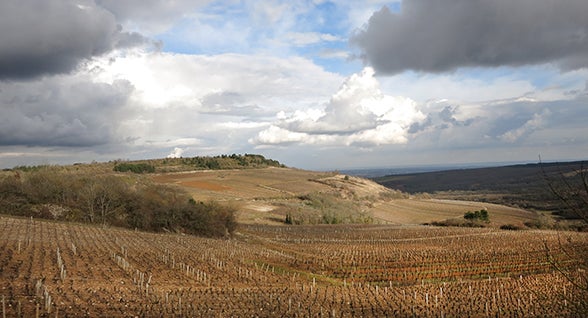
Gerard Thomas
Roger Belland
Amiot et fils
Picamelot
Malmont
Bordeaux
Salomon-Undhof
Poggerino
February Futures
Order Deadline 2/15
Gérard Thomas
St-Aubin, Burgundy
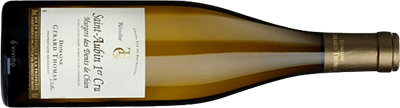
Gérard Thomas’s white Burgundies are always the first we offer of the vintage, and as usual it’s an excellent place to start. They’re decidedly old-school in texture, ranging from 11.5% to 12% (!) in alcohol, and sporting a refined daintiness that’s impossible to resist. Imagine a bold, buttery, mouthfilling, oaky Pouilly-Fuissé from the 1990s – these are exactly the inverse. These wines will arrive as winter turns to spring, and we expect them to suit the warmer weather season perfectly. The Thomas Bourgogne Côte d’Or has been our go-to everyday white Burgundy for nearly two decades, and it continues to shine in its category. The 2024 is pretty and vibrant, with white flowers in the nose, and barely a whisper of oak. The mouth is light and fresh – not lean or harsh, but featherweight and clean. Jancis Robinson’s reviewer found “precision and a linear finish,” concluding “super-clean showing lots of finesse.” Thomas’s St-Aubin this year is a blend of several village level plots. It’s a noticeable step up in complexity, with a nose showing gardenia, hints of oak, and white pepper. The mouth is lovely, with a deep savory palate of grapeskin and lemon zest. At 12% alcohol it’s light on its feet (picture a low alcohol dry German riesling), but with gorgeous fruit and a lovely vibrant texture. Remaining in St-Aubin, Thomas also has a plot in Murgers des Dents de Chien, the most famous corner of the appellation, high on the hill overlooking Montrachet. This is real, classy premier cru white Burgundy, but somehow still under $50/bot with St-Aubin’s (and Gérard Thomas’s) friendly pricing. The nose is deeper and slightly darker than the village level, with a hint more of woodsiness. The mouth is classic, with lemon curd sucrocité and a beautiful beeswax finish – it shows a similar grapeskin note as the village, but there’s more flesh around it. Jancis’s reviewer was effusive: Refined, understated. A very fine example of the best of Chardonnay from the Côte de Beaune but without the elevated prices of the better-known appellations. So precise! I love the focus here. Fresh, clean, mineral, the concentration is there but you don’t really see it until you let the wine linger in the mouth. Great result! Thomas’s Puligny-Montrachet 1er cru plot is from “La Garenne,” which in fact directly borders the St-Aubin 1er cru “Murgers.” The terroir shift is real though, and this is classic Puligny – the nose is stony and precise with delicate white flowers and spice. The mouth is more refined and very long, with less flesh than the St-Aubin but more persistence and refinement. Again, at the price, this is a bargain. Robinson’s reviewer found it “powerful, smooth, deep yet so fresh…very good.”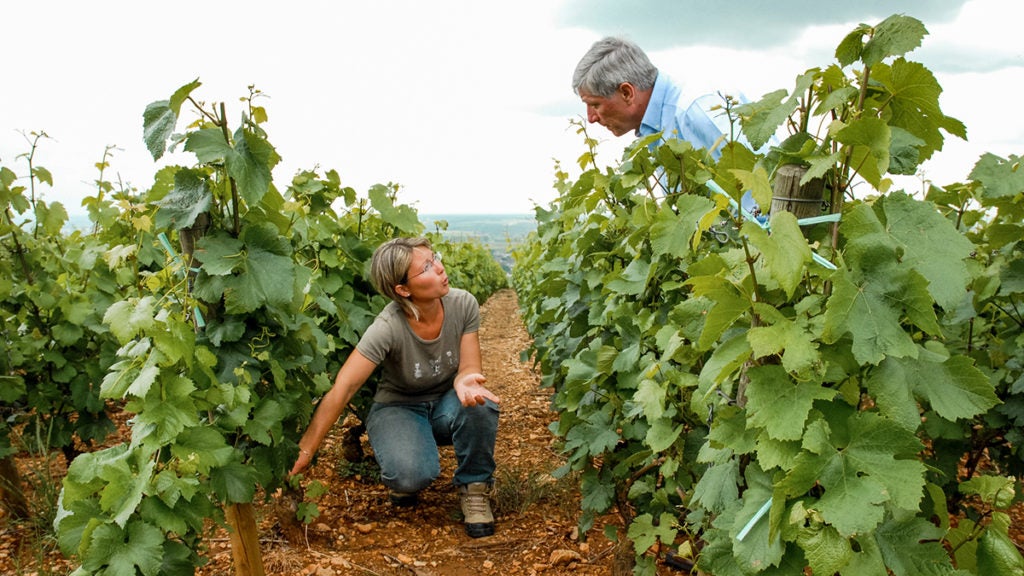
(case prices)
THOMAS
Bourgogne Chardonnay 2024
$350
Saint-Aubin blanc 2024
$495
Saint-Aubin 1er cru Murgers des Dents de Chien
$650
Puligny-Montrachet 1er cru La Garenne 2024
$950
Roger Belland
Santenay, Burgundy
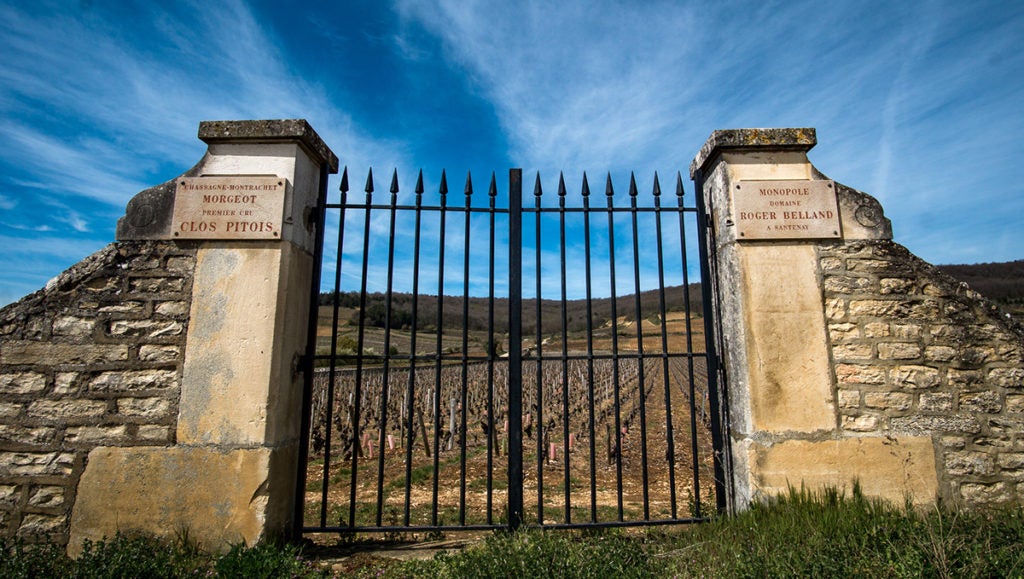
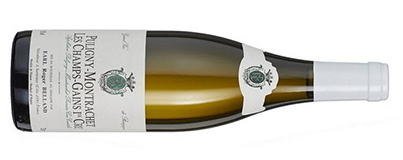
At the Domaine Roger Belland, we have chosen the six that we think lead the pack there — three in red and three in white. The Belland domaine is located in Santenay, a town more known for its reds than its whites, but the domaine’s flagship is a large monopole in Chassagne-Montrachet’s Morgeot sector — the Clos Pitois — which lies along the border between the two towns. Maranges is the town at the southern end of the Côte d’Or, immediately to the south of Santenay, and many of our customers love Belland’s Maranges because it offers solid, well-made Côte d’Or Burgundy at an excellent price. The Domaine has parcels in two premier cru vineyards: Fussiere and Roussots; and this year we preferred Fussiere. There’s a little more extraction than usual in the 2024 vintage, which according to Jasper Morris makes for a “much denser purple colour, a deep dark pinot, surprising for the vintage.” We thought it worked well, and those whose taste in fruit runs more to ripe blueberries and black currants (as opposed to red fruits) will be pleased. It’s pretty big wine for such a modest appellation, comes with a friendly pricetag, and should drink well from the time it arrives. In Santenay, our choice for red is Gravières Premier Cru 2024, often called the town’s best vineyard. The nose here is subtler and more complex than the Maranges, with fruit that’s not so dark — it recalls wild strawberries more than blackcurrants. For the vinification, the Domaine chose to use 40% whole clusters, yielding freshness and lifted aromatics. All in all, it’s a more elegant profile that will offer a dry, refined take on the vintage. It promises a longer life than the Maranges. Belland’s Chassagne-Montrachet 1er Clos Pitois rouge 2024 is, as usual, a serious wine that can be counted on to evolve in interesting ways in the coming years. It was vinified using 50% whole clusters. Finding “life to the pinot on the nose,” Jasper Morris saw fruit of “mostly raspberries, softer in the mouth, though there is good energy on the palate, with some nuance here, as well as a fine density of deep red fruit.” The Morgeot sector makes powerful whites, particularly in its lower part with lots of clay in the soils. The Clos Pitois is on a limestone bench, which gives it more refinement and elegance than wines from lower down. The sturdy structure typical of Chassagne reds is softened here, and with a few years under its belt, Clos Pitois rouge 2024 may very well lead the category. We have often thought Belland’s Santenay 1er cru blanc from the Beauregard premier cru vineyard to offer among the best price-to-value mixes in the Côte d’Or. That is the case this year. The wine opens with a pleasant mix of fruit and oak in the nose, and it offers mouthfilling breadth across the palate, with richness that lingers into the impressive finish. With a Futures price tag under $55, it offers first-rate White Burgundy at a considerable discount to its peers. One will need a very sophisticated palate to separate it from Chassagne’s whites. Belland’s white 2024 Chassagne-Montrachet 1er cru Morgeot “Clos Pitois” offers the classic characteristic of Chassagne’s best white wines: weight without heaviness. The 2024 has the power and longevity of wines from the Morgeot sector, but also impressive balance and elegance. The mouth is full and rich, yet with sufficient freshness to carry the wine for a number of years. Jasper Morris suggests a drinking window of 2027-2030, but we’ll be tempted to start pulling corks later this year. We were also much taken with Belland’s Puligny-Montrachet 1er “Champs Gains” in the 2024 vintage. Already it has an expressive nose, in which the fruit slightly dominates the oak. In the mouth the flavors spread smoothly across the palate, rounder than Puligny usually is at this stage but still showing good focus and concentration. Jasper Morris found “pale lemon, with some riper fruit, both grape and citrus skins, following in gentle waves across the palate.” There is a fine persistence and a lingering finish. Puligny usually produces the most refined whites in Burgundy, and this cuvée is right in line.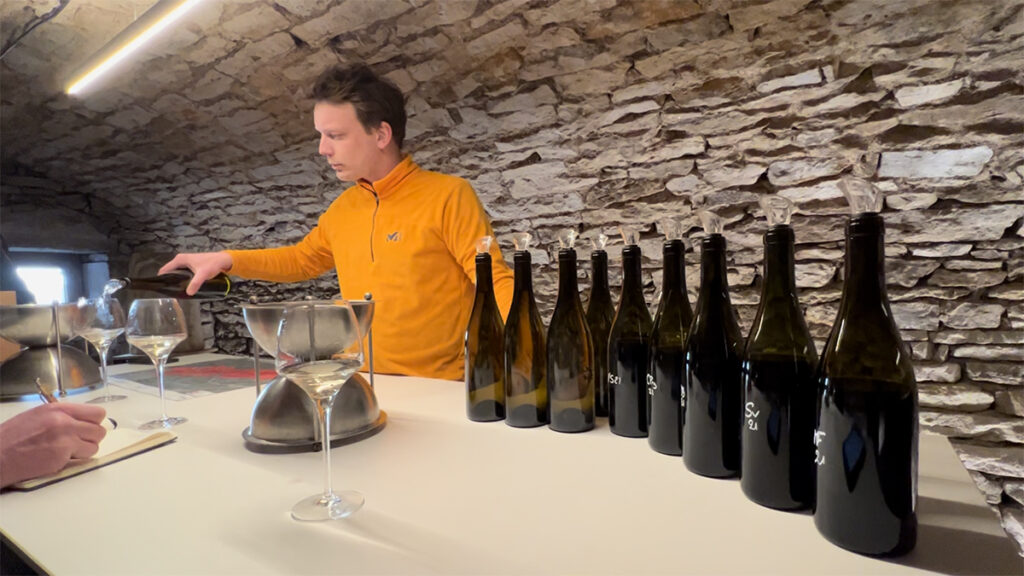
(case prices)
BELLAND
Maranges 1er cru La Fussiere 2024
$395
Santenay 1er cru Gravieres 2024
$525
Chassagne-Montrachet 1er cru Clos Pitois rouge 2024
$795
Santenay 1er cru Beauregard blanc 2024
$650
Chassagne-Montrachet 1er cru Clos Pitois blanc 2024
$1,295
Puligny-Montrachet 1er cru Champs Gains 2024
$1,495
Domaine Amiot et Fils
Morey-St-Denis, Burgundy
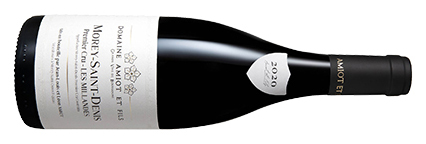
Reviews from wine critics are a double edged sword. They’re useful in validating one’s palate – a writer who tastes thousands of wines each year will have an immense body of context from which to single out successful wines. But relying on critics can make it difficult to promote an undiscovered winemaker with no scores. We’ve always been puzzled that many of the big names in the wine press had yet to visit Domaine Amiot in Morey-St-Denis. Particularly in recent years with Léon as winemaker, their wines have become truly superb. So we were delighted to see that the Guide Hachette – among the very top French language wine reviews – named Amiot as Burgundy’s “Winemaker of the Year.” The Guide Hachette tastes tens of thousands of wines blind each year, making its selections entirely based on taste rather than reputation. The acclaim is well deserved. Léon Amiot, a cheerful twentysomething with a quick smile and friendly demeanor, is a farmer through and through. He’s most animated when talking about his vines. Having traveled the world gaining extensive viticultural experience, Léon has brought real energy and renewed focus to his family’s tiny 5-hectare gem of an estate in Morey-St-Denis. He’s officially organic as of last year, and has already started the process of biodynamic certification. He has abandoned herbicides, planted cover crops, and last year began an agroforestry project in the name of vineyard biodiversity. Given his recent success, we’re offering two of Amiot’s terrific 2023s for a second time. The Morey-St-Denis 1er cru “Millandes” is from a small plot of vines just across the road from Grand Cru Clos de la Roche. The Guide Hachette awarded this wine its “Coup de Coeur,” the highest distinction it offers, writing “immediately remarkable for the intensity of its raspberry and cassis aromas. The fruit unfolds with equal harmony on the palate, which is full-bodied, round, concentrated, and deliciously appealing, supported by silky tannins.” We loved this wine back at the domaine last spring, and it’s only gotten better since. Just north of Millandes on the other side of Clos de la Roche lies the famous Gevrey-Chambertin premier cru “Combottes,” surrounded on all sides by no fewer than five Grand Cru vineyards. Amiot’s plot here always produces near-Grand Cru level wine, and 2023 is no exception. The nose is deep and darkly floral, with Gevrey’s classic marriage of rusticity and power. The mouth is rich and impeccably balanced, with a finish that seems to go on forever. The 2023 shows the wine’s typical density but with perhaps a bit more elegance and polish than usual. This is one to hold onto for a few years – Burghound, who labeled it “outstanding,” awarded 90-93 points, and found it “impressively long,” suggests at least eight years of patience. We think you could get away with four, but shouldn’t be in a rush.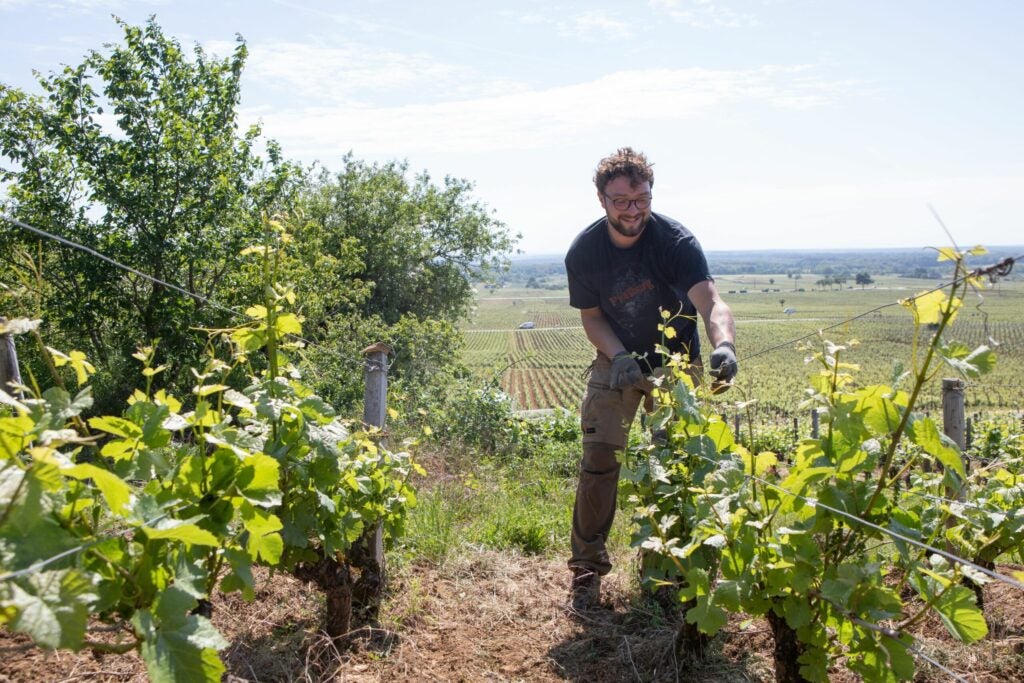
(case prices)
AMIOT
Morey-St-Denis 1er “Millandes” 2023
$1,195
Gevrey-Chambertin 1er “Combottes” 2023
$1,595
Maison Picamelot
Rully, Burgundy
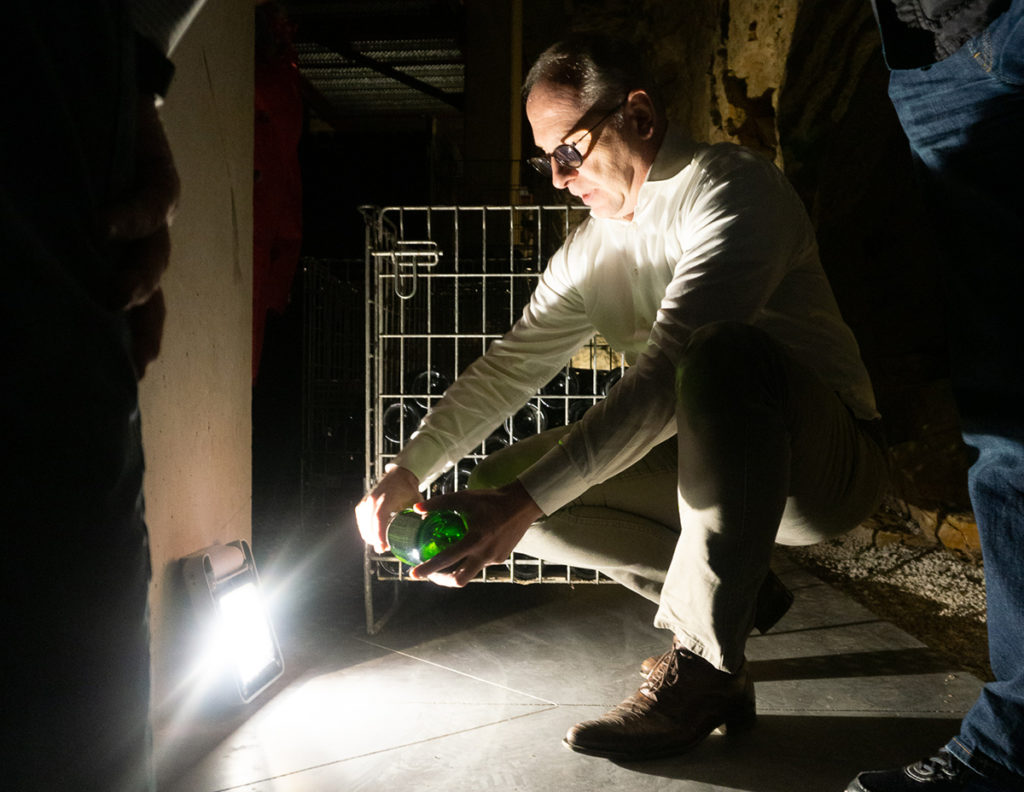
It’s a shame to limit one’s enjoyment of bubbles to weddings and New Years. Sparkling wine is ageworthy, versatile, and remarkably food-friendly; and except for Champagne it’s also a bargain. Our favorite source for crémant de Bourgogne is Maison Louis Picamelot in the Côte Chalonnaise. The Wine Advocate’s William Kelley writes that Picamelot “produces some of the best sparkling wines in Burgundy,” and “makes a persuasive case for taking the genre more seriously.” Philippe Chautard, the grandson of the founder, has taken the enterprise to a new level, transforming an old quarry on the edge of the town to a large underground cellar. This lets him give his crémants the time in the bottle he feels they need to develop their full complexity. First, consider Picamelot’s “Les Terroirs” Brut NV. A blend of Burgundy’s four grapes – Pinot Noir, Chardonnay, Aligoté, and Gamay – this delightful wine is a tremendous value. The nose is dry and classy, with notes of green apple, bread dough, and a pleasant nuttiness. It’s ripe and round in the mouth, lovely and full, and very gourmand. At $275/case, this is a no-brainer for weeknight bubbles. Their Crémant Rosé is similarly well priced and delicious. It’s pure Pinot Noir, dry, and a lovely aperitif. It sports an attractive nose that balances fruit and floral notes with strawberry, herbs and lemon. The mouth is perfectly dry, with great freshness alongside a gentle creamy mousse of bubbles. The Crémant “Chazot” is also pure pinot noir from a single plot just over the border above Saint-Aubin, but this is a blanc de noirs. This has a lovely toasty brioche nose, with very fine bubbles and a long, clean finish. The pinot grapes add an intensity to the wine, but it’s blanc rather than rosé, and carries a sophistication and classiness not often found outside Champagne. Pair this with something you’d normally match with a red Burgundy, like roast chicken. Picamelot’s finest wine is their “Cuvée Jean Baptiste Chautard.” This blend of Aligoté and Chardonnay is terrific, and easily rivals many a Champagne at twice the price. (Indeed we often serve it next to Champagne at our tastings and it often outperforms stuff from up north.) The current release is the 2016, which has been on lees for nearly eight years — a duration unheard of outside Champagne. It’s partially barrel fermented, adding a bit of weight and complexity to the juice. The nose shows pear and apricot, with notes of rising dough and (still) white Burgundy. The mouth is long and very tense, with an elegant blend of energy, richness and depth. With a Futures price under $35/bot, this is a compelling choice. We love our grower Champagne producers, but on quality-price ratio, this cuvée is an undisputed winner.
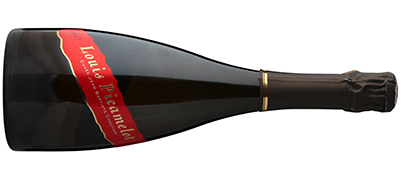
(case prices)
PICAMELOT
Crémant “Terroirs” NV
$295
Crémant “Rosé” NV
$295
Crémant “Chazot” NV
$325
Crémant “JB Chautard” 2016
$395
Domaine Malmont
Séguret, Southern Rhône
If global warming has improved the wines of the Loire Valley and much of Burgundy, it’s been less friendly to the domaines of southern France. It’s no longer uncommon to find wines offered at 16% alcohol – Grenache, Syrah and Mourvèdre soak up whatever sun they’re given, and there’s only so much winemakers can do to counter temperatures over 100F. All of this makes Nicolas Hanei’s wines from his tiny Domaine Malmont that much more exciting. Grown high in the hills above Séguret in the Southern Rhône, the Malmont vines struggle though rock-laden nutrient-poor soils, slowing their maturation. The west-facing hillside at 1200 feet of elevation enjoys plentiful breezes throughout the growing season, keeping the grapes cool and healthy. The resulting wines are almost an anomaly in the modern Rhône Valley: organic, delicious southern red blend with fresh textures and modest alcohol. They show the dark, dense rich fruit for which the region is known, but always with vibrant tension and lift. If you miss the days when you could enjoy a southern Rhône red blend without having to take a nap afterwards, Malmont is the producer for you. We were all ready to write to you about this year’s 2023 Malmont reds, a lovely crop of balanced, tasty wines. But when winemaker Nicolas Haeni wrote to tell us he’s still got 2022 available, we jumped at the chance. The 2022 Séguret was certainly Malmont’s best vintage in their decade of existence, and we’ve enjoyed pouring it for delighted guests at the warehouse for the last year. The extreme heat and drought in 2022 delivered loads of ripe, intense fruit; Nicolas extracted them minimally and perfectly, and the resulting wine impeccably balances lush fruit with a subtle, sculpted backbone. It’s just over half Grenache (the rest is Syrah), and clocks in at a cool 13.5% alcohol. The nose shows the same wild strawberries we love in Jaqueline André’s exceptional Châteauneuf-du-Pape, with hints of gingerbread and pain d’épices too. In short, this is a near anomaly – balanced, fresh, low-alcohol, flat-out delicious Southern Rhône red.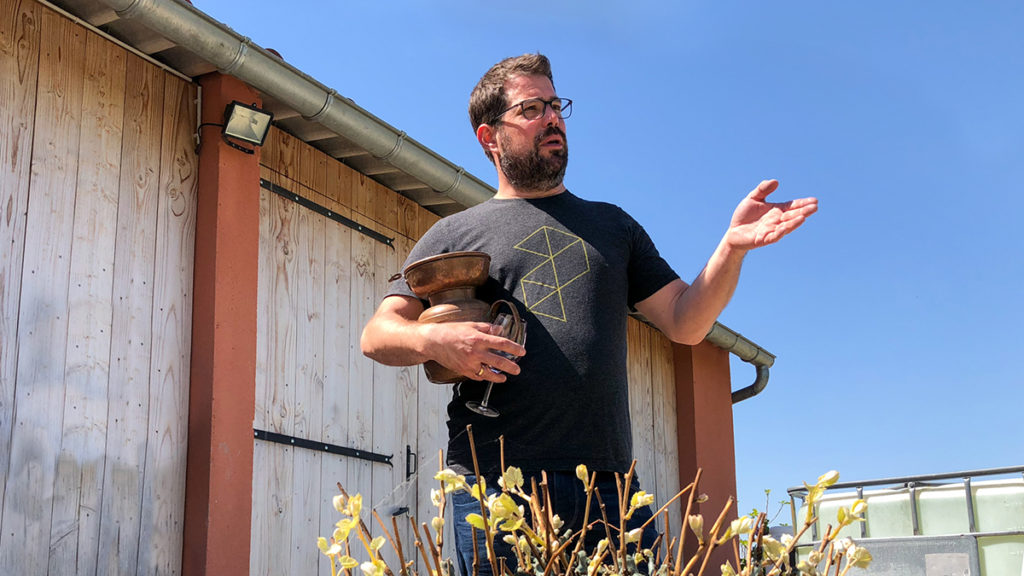
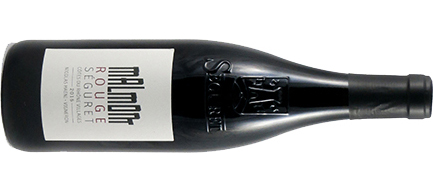
(case prices)
MALMONT
Séguret 2022
$325
Mélange Bordelais
Bordeaux
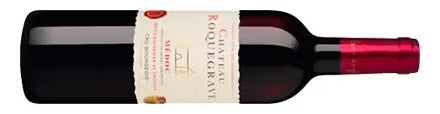
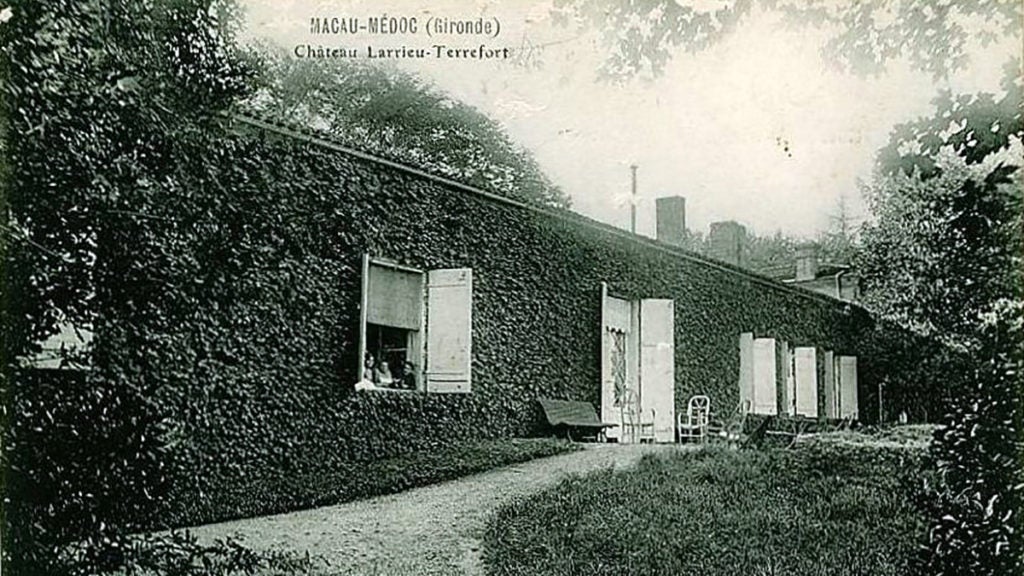
Longtime readers will know of our perennial struggle to source from Bordeaux. It’s hardly a matter of supply – the region is drowning in a veritable ocean of unsold wine, particularly at lower price points. But while our visit in 2024 was enjoyable and educational, it yielded few new relationships other than those with marketing directors and negociant houses. The Burgundian model of small family domaines operating as grower-producers is far less common in Bordeaux, and the fit with Ansonia far less obvious there. There are exceptions, however – Fleuron de Liot in Saint-Estèphe has become a reader favorite for their terrific and extremely affordable Left-Bank blend. Even Chateau Destieux in St-Emilion, a far larger operation, is still a family affair with whom we’re pleased to deal directly. And so when we stumbled upon the Chateau Roquegrave during our visit last year, we felt right at home. Roquegrave is located in Valeyrac, fully an hour and a half north of Bordeaux, near the top of the Médoc peninsula and along the banks of the Gironde estuary. They produce humble, unfussy, extremely well-priced red Bordeaux, more at home in a Parisian bistro than a Michelin restaurant. We have two suggestions from Roquegrave – first, their 2020 Chateau Haut Valeyrac. This is a blend of 50% Merlot, 45% Cabernet Sauvignon, and 5% Petit Verdot, grown on the classic gravelly soils of Bordeaux’s Left Bank. It’s lightweight and pretty, an easygoing wine at its peak. The nose shows red fruits and dried roses, with a pleasant earthiness and low tannin in the mouth. The mouth is lively and clean with an almost Pinot like character.. This is Bordeaux that wishes it were Burgundy – friendly, affordable, delicious, and perfect for a weeknight red. The second is the domaine’s flagship, Château Roquegrave itself, this cuvée from 2022. It’s been a Cru Bourgeous since its founding in 1932, this is still a bargain and a great candidate for an everyday house Bordeaux. Roquegrave is more serious and intense than Haut-Valeyrac, but still would be at home on a bistro table alongside a plate of steak-frites. The nose is dark and pretty, with beautiful deep plum notes alongside cocoa and violets. The mouth is juicier and fuller, with younger fruit and younger tannin – give this a half hour open in a carafe and pair it with lamb chops or shish kabobs. Finally, we return to an old favorite we source through the regular Bordeaux négociant model – a classic Margaux from Chateau Larrieu-Terrefort. This is 70% Cabernet Sauvignon and 30% Merlot, and offers a more classic Left-Bank profile. The excellent 2020 vintage has produced a Margaux with signature elegance and precision, but with terrific density and velvety smooth mouthfeel as well. The nose is sophisticated and pretty with notes of sweet spice and oak; the mouth is fine and long with a delicate balance and very long finish. This will benefit from a few hours in a carafe or a year or two in the bottle, but should be terrific either way. A sub-$40 Margaux of this caliber is a no brainer.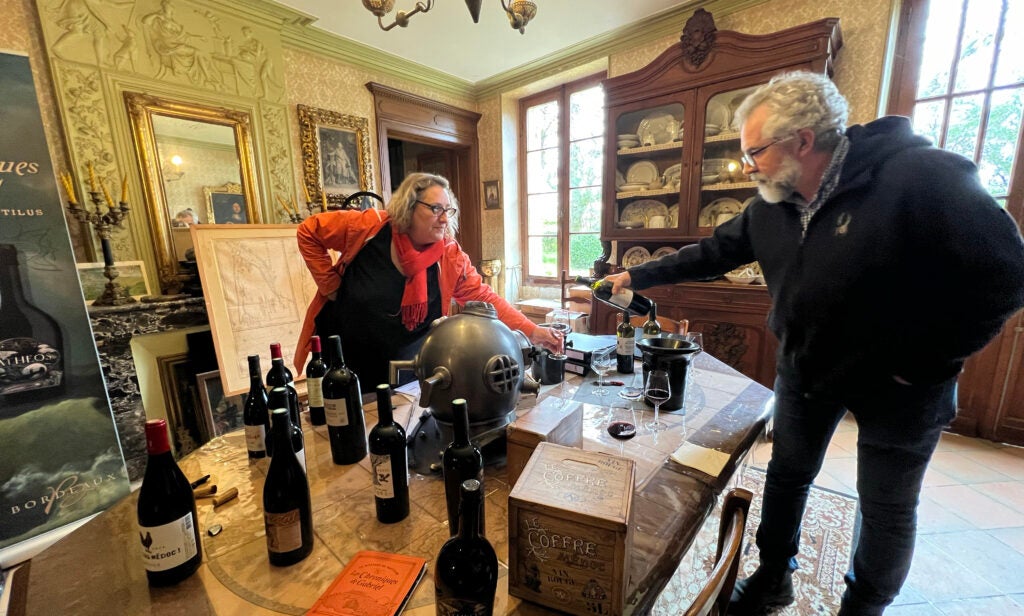
(case prices)
BORDEAUX
Haut Valeyrac Médoc 2020
$235
Roquegrave Médoc Cru Bourgeois 22
$250
Larrieu Terrefort Margaux 2020
$450
Salomon-Undhof
Krems, Austria
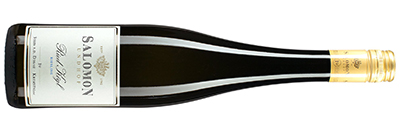
Salomon Undhof is a centuries-old winery in Krems, Austria overlooking the Danube River. Today 7th and 8th generation winemakers Bert and Bert Salomon run the estate, and they’re among the best respected sources in the region. They’ve become favorites of many readers (as well as our own family) and we’re delighted to bring them back by popular demand. We have two grüner veltliners and two rieslings to suggest. First the domaine’s Hochterassen 2024 Grüner Veltliner. This comes from vines high up on the slopes, above the family’s historic plots – the vines are younger and wine they produce is less serious but no less enjoyable. This is fresh, clean, lightweight wine with a lovely profile – white flowers, stones and lime. The mouth is short, very dry, and light (12% alcohol) – “wine that wants to be water,” comes to mind. Pour this all summer. Salmon’s more serious cuvée of Grüner Veltliner comes from the 1ÖTW Wachtberg vineyard, and the domaine has held some of the 2017 for a delayed release. They sent us a sample, and it’s terrific – an entirely different take on the grape from the Hochterrassen. Now with nine years under its belt, this is fully mature but remarkably youthful. There’s no hint of oxidation – the nose shows dried pears and with woodsy notes you might confuse with white Burgundy. The mouth is mellow and very long, with notes of chalk, citrus peel, white pepper, and just a whisper of salinity at the end. A dry, delicate, delightful cuvée that calls for sushi. In Riesling, Salmon has two cuvées that are both stunners this year. Our favorite, the Riesling 1ÖTW Kögl from 2022 is gorgeous – classical dry Riesling with a nose of petrol, slate, stones, and mandarin orange. The mouth is bone dry, with terrific persistence and acidity to keep it fresh for years to come. The 70+ year old vines give this remarkable depth, all packed into a delicious, electric, vibrant wine. Vinous’s reviewer awarded 94 points, writing: “The palate flows with immense juicines…Zestiness frames the edges and makes the mouth water, growing more intense toward the dry finish. Despite its juiciness, there is a stony core and a lastingly pure, pristine citrus aroma.” This is as good as sub-$30 white wine gets. For another level up, Salomon offers a riesling from the 1ÖTW Pfaffenberg vineyard, this year in 2021. This is even deeper and longer than the Kögl, with subtler notes of petrol and dried white flowers. The mouth is bone dry and very refined, with tremendous tension and a finish that goes on forever. Vinous’s reviewer gave 95 points, writing: “Beautiful, linear, taut and bright, with zesty concentration, the finish is absolutely mouthwatering and dry.” This wine ages very well, but is already magnificent.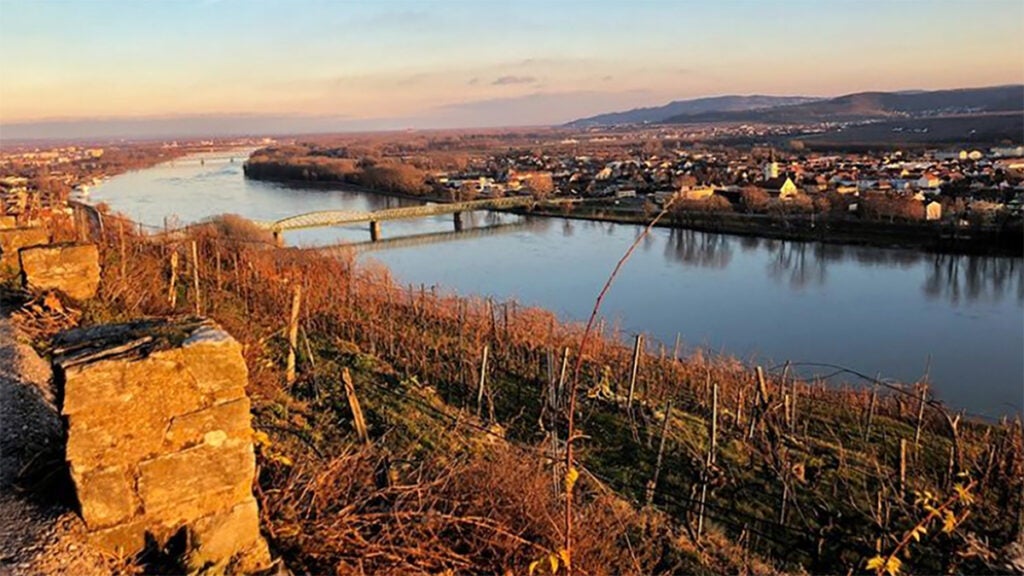
(case prices)
SALOMON UNDHOF
Gruner Veltliner Hochterassen 2024
$195
Gruncer Veltliner 1ÖTW Wachtberg 2017
$235
Riesling 1ÖTW Kögl 2022
$325
Riesling 1ÖTW Pfaffenberg 2021
$450
Fattoria Poggerino
Radda-in-Chianti, Italy
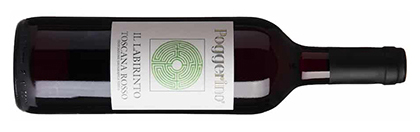
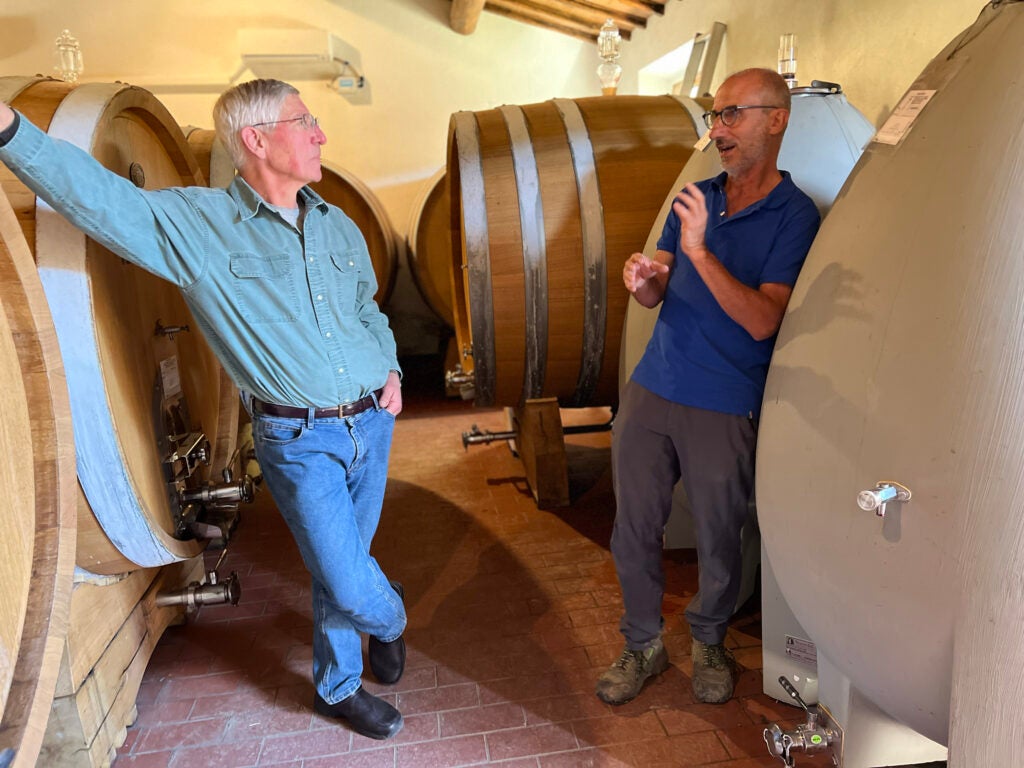
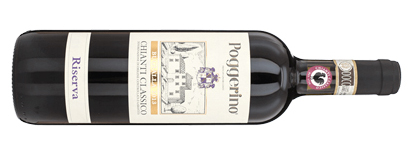
Last fall Ansonia pere et fils took the entire family — spouses, kids and grandkids — on a Tuscan adventure. While in the neighborhood, we couldn’t resist a side trip to Radda in Chianti to visit Piero Lanza and his wonderful vineyards nestled in the hills around the town. It is now about a quarter century since we first discovered Poggerino, and we can’t think of a producer with a better decades-long record of consistent, careful winemaking. Since we last visited in the mid-teens, Piero has added new vats, cement eggs and large format barrels, and the longer list of wines show the remarkable nuance and complexity that he coaxes from the Sangiovese grape. Antonio Galloni, the founder of Vinous and a renowned critic of Italy’s best wines, calls Poggerino’s wines “some of the purest expressions of the Sangiovese grape in Italy.” And Piero’s warm hospitality to our whole family leads us to urge clients to follow our path and pay a visit if you are ever in the area. For a number of years, longtime Poggerino buyers had to do without Il Labirinto, Piero’s entry level Toscana Rosso, which was created to receive the juice of the youngest Sangiovese vines on the property. When the original vines that supplied the grapes for Labirinto reached the age of twenty, Piero understandably moved them into Chianti Classico production and suspended production of the cuvée. But there are once again enough new young vines to resurrect the Labirinto cuvée, and we are pleased to be able to offer it again. Labirinto is entirely vat raised, and the young vines bring a bright freshness and red cherry fruit to every glass. Galloni called Labirinto “a striking combination of red Sangiovese fruit buffered by bright acids and floral notes,” adding that “the purity of the flavors is compelling.” The backbone of Poggerino’s production has always been the Chianti Classico — the “Annata” or “vintage” wine that is released two years after the harvest; and the Chianti Classico Riserva from the “Bugialla” vineyard, released a year later. We love both of these wines, and always stock plenty of each in our personal cellars. The Annata is always lithe and elegant, pairing well with a broad range of dishes. The Riserva tends to be more serious, offering dense, ripe fruit and built for longer aging. We opened our last bottle of the 2001 Bugialla just a few years ago, and found it alive, complex and compelling. This year’s Annata is the 2023 vintage. As usual, Galloni is full of praise, finding that “dark red cherry, leather, lavender, spice and dried herbs all meld together in an open-knit, mid-weight wine that has so much to offer.” He went on to call it “pliant and inviting” and “an absolute delight.” The wine will make a beautiful match in cooler months for Spatchcocked Roast Chicken, then as summer comes around, as a partner for all sorts of meats on the grill. Today’s winemakers have a wider array of vessels in which to age wine, from more shapes and sizes of barrels to clay amphoras and cement tanks. For a number of years now, Piero has made a new cuvée raised in cement eggs – hence the wordplay in the name Nuovo. Cement eggs have the virtue of self-stirring, as ambient temperature changes affect the wine in the eggs at different rates, promoting a natural circulation without the need for physical stirring. With no oak flavor mixed in, this wine has particularly pure fruit, and as one might expect at Poggerino, it is beautiful. The less porous cement makes a wine that evolves more slowly, and as Galloni awarded the 2021 vintage 93+ points, he opined that the wine would need a number of years to show its best. When Piero served us lunch during our visit, he brought out the 2021 vintage, which was showing dark red fruit with a touch of mint, spice, and licorice. Now five years after the vintage, it is showing beautifully, and some more evolution undoubtedly lies ahead. Fortunately at Poggerino there are some bottles left of the vintage, and we are pleased to be able to offer some here. Finally, the 2022 Chianti Classico Riserva “Bugialla” is another resounding success, which Galloni called “gorgeous” and “superb.” He found that “black cherry, new leather, spice, menthol and licorice fill out the layers effortlessly.” While it is a powerful wine with the structure to stand up to the robust flavors of game or lamb, it also shows plenty of finesse. Give it some time in the glass and watch the many elements emerge across the palate.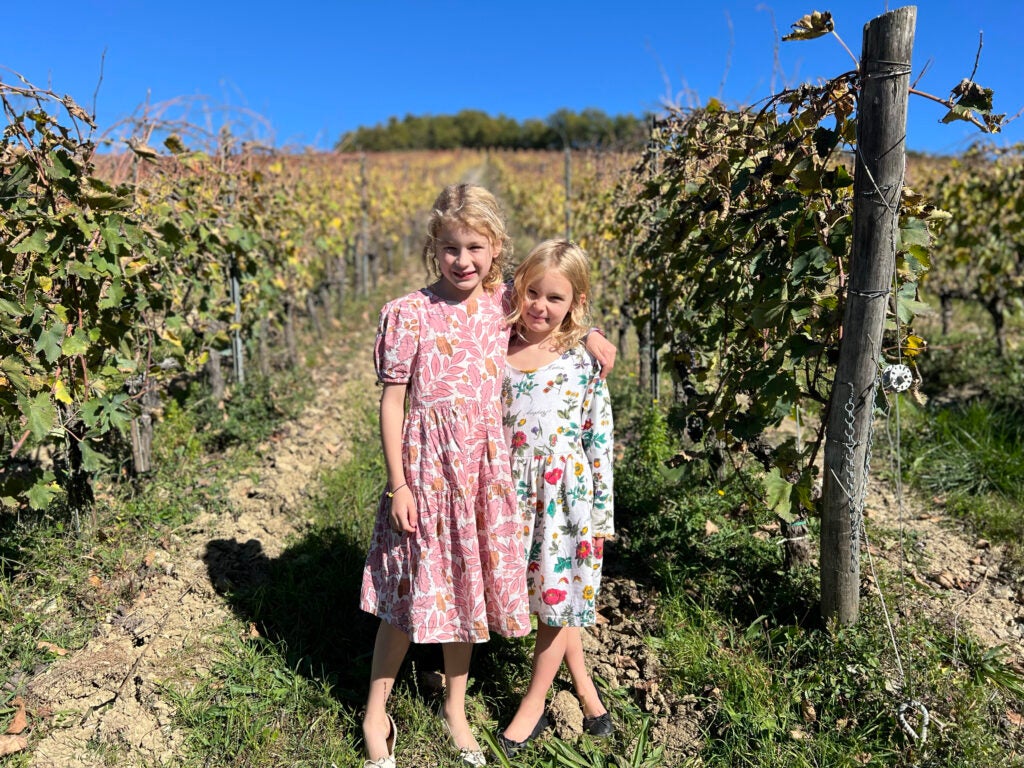
(case prices)
POGGERINO
Labirinto 2024
$235
Chianti Classico “Annata” 2023
$275
Chianti Classico “Nuovo” 21
$425
Chianti Classico Riserva “Bugiala” 22
$450
_____________________________ We expect these wines in April/May 2026 If you have any trouble submitting the new order form, you can always email us your order. Or give us a call with questions: 617-249-3657, or tom@ansoniawines.com The deadline to place orders for this issue is: SUNDAY, FEBRUARY 15. Questions? Need advice? Call us: (617) 249-3657. OPTIONS FOR GETTING YOUR ORDERS Pick-up near Philadelphia. We’re pleased to restart our PA pickup option. Wines ordered for PA pickup will be available December, depending on temperatures. Email us for more details. Shipping elsewhere. In most states we can arrange for shipping at an additional cost that varies by location ($4.50 per bottle to the addresses west of Chicago; $3.50 per bottle east of Chicago). If shipping interests you, let us know the state and we will figure out if it can be done.
Pick-up in Massachusetts. We store our inventory at our new warehouse in Newton: 12 Hawthorn St, Newton MA 02458. Futures customers can pick up their orders here during Saturday open hours, or by appointment.