September Futures used to arrive in your inbox as the winemakers in Burgundy prepared for their harvest; in more recent years we’ve released with harvest is in full swing. This year most Burgundy vignerons had hung up their secateurs before we even put pen to paper – another scorching hot growing season resulted in the earliest harvest in over 500 years, this time in early August. The identity of a vintage emerges slowly, and it’s too early for predictions about the character of the 2026s. But it’s a reminder that weather patterns across a growing season are some of the most powerful variables in shaping a wine’s identity. This issue of September Futures offers an unusually wide range of vintages. There are focused, energetic 2024s from Burgundy, of course; but also some tasty leftovers from the abundant 2023 vintage, and a very small quantity of a one-off 2018 premier cru red that stopped us in our tracks. We’re also trying out something new: a Library Release of already a dozen in stock back vintages from Bonnefond in the Côte Rôtie. We’re also delighted to offer another shot at three terrifically popular and well priced wines from the last few years – 2022s from Sancerre, St-Estèphe, and Séguret. Finally there’s five-year-old 95pt Barolo, and even a twenty year old champagne magnum. It recalls of time’s powerful effect on wine – first as the grapes ripen on the vine and take on the character of their vintage, and then as the wine evolves and finds its identity in the bottle. As usual we’ve lowered the minimum purchase for many of the pricer wines (plus all of the Côte Rôtie Library Release) to 3 bottles; otherwise it’s 6. We hope there’s something for every palate in this list – if something catches your eye, click the orderform below and submit an order by September 20. We expect these wines to arrive in December 2026. JUMP TO SECTION
Ravaut
Boursot
Guillemot-Michel
Malmont
Bonnefond
Garenne
Fleuron de Liot
Bardoux
Briccolina
September Futures
Order Deadline 9/20
Domaine Ravaut
Ladoix, Burgundy
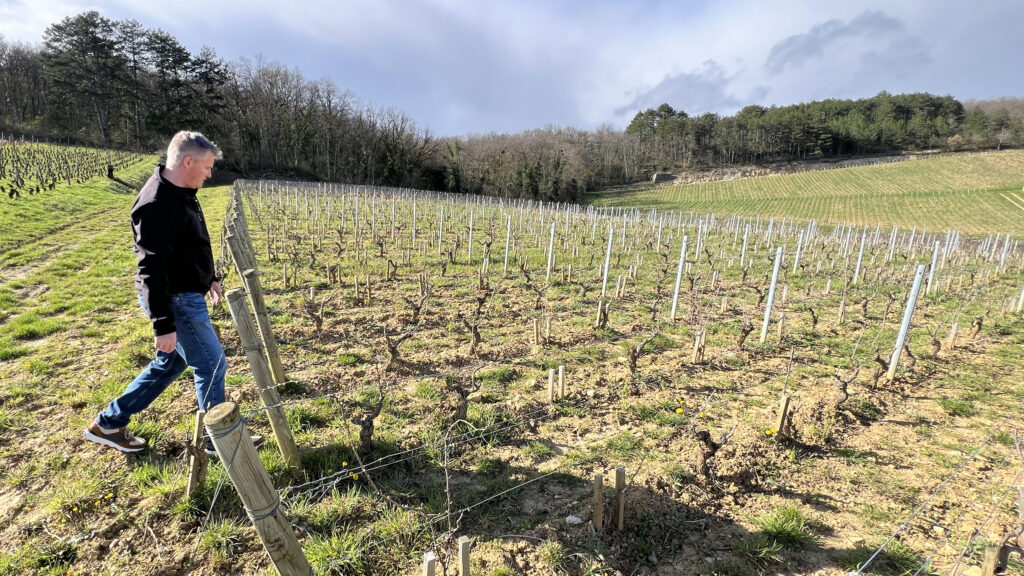
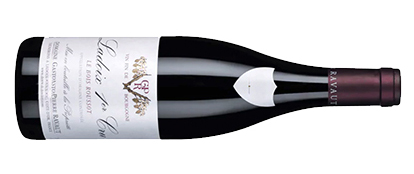
The Ravaut family runs a decidedly old-school Burgundy domaine. Their tasting room is a corner of their cellar, hung with maps and photos of past generations. They produce a dozen wines – red and white, from Bourgogne to Grand Cru. They greet everyone – from top critics to visiting tourists wandering by – with the same welcoming smile. Their wines aren’t showy or pretentious, but they’re consistent, delicious and seriously well-priced. One of the good things about a year with extraordinary yields is that the wine doesn’t disappear quite as fast as usual. When we visited the Ravauts this March, we were able to taste some 2023s along with the 2024s, and for this offering we have a happy choice among vintages. This offer mixes in some of each. First their entry-level Côte de Nuits-Villages from 2024, which we wrote about last Sunday. This cuvée comes from vines just over the border into the Côte de Nuits, but its identity is clearly of the north. The fruits are dark and woodsy – think wild blackberries, cassis, plums – with beautiful earthy notes of forest floor, black pepper and spice. This wine develops nicely over several years, but it’s delicious from the start. At $32/bot it has to be among the best Red Burgundy values in our cellar, and one we’re excited to restock. In red, Ravaut’s Ladoix Premier Cru “Bois Roussot” almost always makes it onto our list of picks, and we found it particularly attractive in the 2024 vintage. Perhaps it’s their shift to organic viticulture, but this wine seems to come with an extra dose of personality. The nose is very expressive, pumping out ripe fruit aromas from the time it is poured into the glass. It’s pleasantly mouthfilling, with very good persistence across the palate. We expect it to drink well quite soon after it arrives and for many years thereafter. The red premier cru “La Corvée” is in the Côte de Beaune, but lies along the Côtes de Nuits and shows some of its character. This one is still available in 2023, and is quite drinkable already, offering a pleasant mix of dark currant fruit and a gentle touch of oak. With a year under its belt, its elements have begun to come together and the mouthfeel is rounding out nicely. The ferruginous soils of Aloxe-Corton give it a unique aging profile that generally demands more time, whether the wine is village or premier cru. We recently discovered a small cache of Ravaut’s Aloxe-Corton 2010 at the back of our cellar and found it just strikingly good, with the iron adding an earthy complexity that blends beautifully with its fruit and bouquet. The 2024 vintage shows the same possibility of superb evolution. It comes with an unusual plus: there was so little yield in 2024 that the Ravauts blended the village and premier crus into a single cuvée. The result must bear a village label by appellation rules, but those premier cru grapes will add something. The nose is very complex, with a floral note complementing the fruit. Not that this Aloxe will be ready to drink right away, but our experience with the 2010 inspires us to patience. The Hill of Corton has the only red Grand Cru in the Côte de Beaune, and the vineyard of Corton-Bressandes, where the Ravauts have a notable holding, is generally regarded as the finest. These wines are dark and brooding when young, and it takes a while for them to show their character. The large volume of 2023 produced a dividend in the Ravaut’s Bressandes: its slightly lighter weight will make the wine accessible young despite its inherent richness. We found an attractive juicy side to the wine in March, and we heartily recommend it. As for Grand Cru white Burgundy, the Montrachet complex in the Côte de Beaune gets most of the attention. Le Montrachet and its adjacent satellites Bâtard, Chevalier, and Criots Bâtard are unique and deserve their universal praise. But the only other Grand Cru white in the Côte d’Or also comes from the Hill of Corton. Corton-Charlemagne is every bit a Grand Cru white, and the Ravauts produce an elegant one. The 2024 vintage was an exceptional one many corners of the white Burgundy world, and this one is no exception. As befits a grand cru, the Corton Charlemagne 2024 is raised in 100% new oak, albeit in larger 400 liter barrels. There is all the intensity and concentration of a grand cru, and it easily handles its oak. There’s excellent richness, beautiful fruit, and just the right bit of toast. Impressive wine. During our March visit we shared our story about the 2010 Aloxe with the Ravauts. Vincent disappeared into the back of his cellars and returned with a bottle of Aloxe premier cru from the 2018 vintage. It was extraordinary wine, making in spades the point about the benefits of age in this appellation. Not only were all its elements bien fondu, the wine was smooth as silk in the mouth and lingered beautifully on the palate. Of course we immediately asked if we could buy some to bring to our clients. There isn’t much left, but ultimately we able to beg a tiny number of bottles, and we’ll share them with the first of you who are interested at $100 per bottle. We’ll set the bottle limit per buyer when we know the extent of interest. *wines with an asterisk available by the quarter case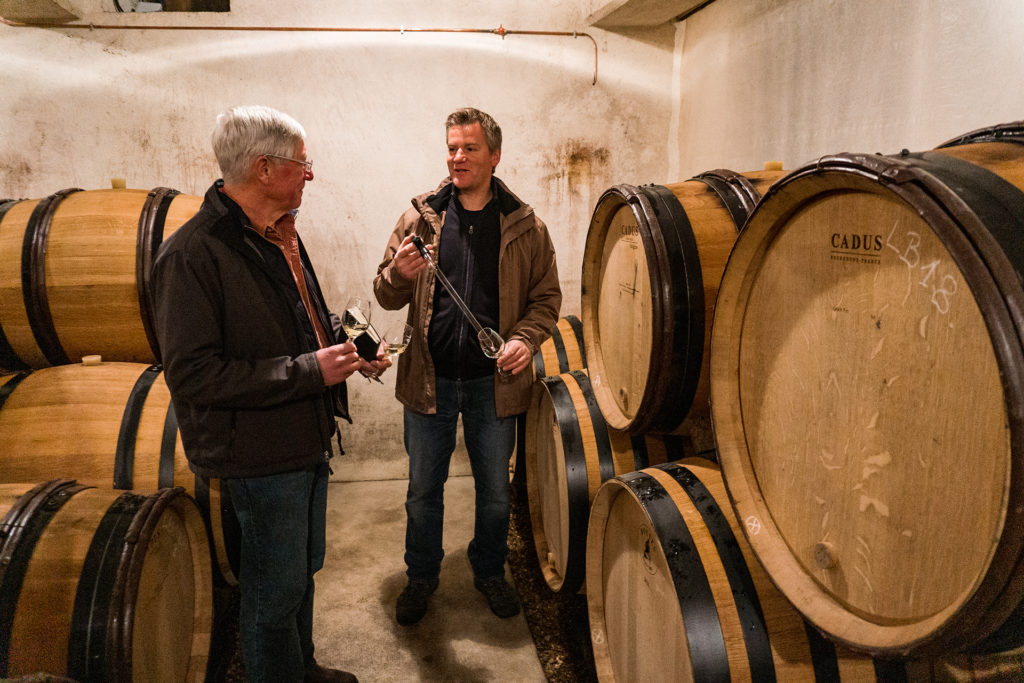
RAVAUT
Côte de Nuits Villages 2024
$395
$32.92
Ladoix 1er “Bois Roussot” 2024
$595
$49.58
Ladoix 1er “Corvée” 2023
$595
$49.58
Aloxe Corton 2024
$695
$57.92
Corton-Bressandes Grand Cru 2023 *
$1,195
$99.58
Corton-Charlemagne Grand Cru 2024 *
$2,028
$169.00
Aloxe-Corton 1er 2018 *
$1,195
$99.58
Domaine Boursot
Chambolle-Musigny, Burgundy
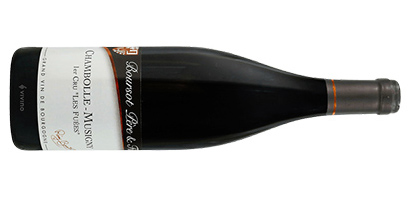
Nobody had an easy go of it in 2024, but the vignerons of Chambolle-Musigny were among the hardest hit. The Boursot brothers told us their volumes were down 70%; of their usual fourteen cuvées, they made just eight. They reported there were no two days in a row without rain the entire growing season. But as Jasper Morris put it – and as our extensive tastings across 2024 confirm – ”a miserable growing season does not have to translate into miserable wines.” The domaine style is modern and approachable. The Boursots tend to leave their tannins ever so slightly rustic, giving them a really appealing texture amid the lush, abundant fruit. They use amphora liberally to give the wines a bright prettiness even amid the dark fruit. Critic Steen Öhman (of the Winehog blog), writes of Boursot: “The overarching style is forward, vivid, and rather classical… lovely, pure, almost silky wines.” Boursot’s signature Chambolles were their best performing cuvées this year, and we think they’ll make excellent additions to any Burgundy cellar. Their village-level Chambolle is a blend of three pots – Nazoires, Maladieres, and Clos – and gives an excellent and classic take on the village. Romaric Boursot told us they only produced 6 of their normal 24 barrels in 2024. The elevage is 25% amphora, 25% new oak, and 50% old oak. The nose immediately places you Chambolle-Musigny – silk, smoke, stones and red berries. The mouth is dark and full with the lifting energy often found in 2024s. Give this a few years and it should become subtle and superb. Boursot’s best cuvée is always their “Les Fuées,” a near Grand-Cru level premier cru situated just next to Bonnes Mares. This wine is a story of terroir over vintage – even in a tough year where everything went wrong, the 2024 Fuées shows unmistakable pedigree. Famous plots are famous for a reason – it turns out the monks who first drew these lines 900 years ago were on to something – and Fuées rarely disappoints. The 2024 is dark and very tightly wound; it will require 3-4 years before it’s ready, and should improve for 8-10. At $150/bot through Futures it’s probably not your next Wednesday night house red – but it’s still about half of what others’ Fuées goes for. *wines with an asterisk available by the quarter case
BOURSOT
Chambolle-Musigny 2024 *
$995
$82.92
Chambolle-Musigny 1er “Fuées” 2024 *
$1,788
$149.00
Domaine Guillemot-Michel
Viré-Clessé, Maconnais, Burgundy
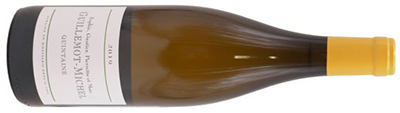
The Domaine Guillemot-Michel was our very first discovery when we lived in France from 1998 into 1999. That wine of such quality could be found in an uncelebrated corner of Burgundy was a revelation, and along with other such discoveries during our time there was the inspiration for what ultimately became the Père et Fils wine business that you know today. Pierre and Marc Guillemot-Michel took over her family’s vines and estate in the mid 1980s. From the outset they were firmly committed to organic and biodynamic viticulture, and in the forty years that followed, they have treated the vines of their 6.5 hectares like members of the family, keeping them in robust health and replacing individual vines only when necessary. Until 2014, they produced just a single cuvée, called Quintaine, excepting only a few vintages when they made a bit of botrytis-affected dessert wine in the style of Sauternes. Bringing in the next generation at a domaine like this not only offers continuity, it infuses energy and innovation as new ideas come into play and new cuvées appear. This has happened in spades at the Domaine Guillemot-Michel, first with the arrival of Pierette and Marc’s daughter Sofie, and later when her husband Gautier Roussille joined the winemaking. Now there are spirits – Marc and Fine de Bourgogne – and wines with different elevage, from demi-muids to amphoras, and even a sparkling cuvée. Yet “Quintaine,” the original cuvée that takes its name from the hamlet where the estate lies, is still the wine that defines this domaine. It offers exceptional purity and clarity, with gorgeous chardonnay fruit from a range of mini-climats. It now includes the botritis-affected grapes from the corner of the domaine that is near the Saone, adding touches of exotic fruit in the same vein as those borne by the fogs of the Garonne that waft into the vines of Sauternes. As you perhaps have heard us tell before, Quintaine is capable of long aging. In 2021, we opened our last bottle of the 1996 Quintaine that came back with us from France more than two decades before. It was alive, complex, and not the least bit tired. We tasted the 2024 vintage of Quintaine when we visited in March. It bears the mark of 2024, a year where freshness is the overarching theme and yields were way down — 50% in the Maconnais and even more in the Côte d’Or. Quintaine ‘24 offers energy and roundness at the same time. In a nod to the energy, Gautier Roussille called “a bit Chablisien for us;” yet there is “dynamic” ripe fruit, as he called it, with exotic notes showing up as the wine opened in the glass. That 1996 vintage also offered roundness with good supporting acidity that carried it for a quarter century. We can’t promise a life quite that long for the 2024 Quintaine, but we are confident in saying that there will be no rush to drink it. Indeed, Gautier Roussille poured us a taste of the 2024 that had been open for 15 days. It had held up remarkably well, revealing just how much is packed into the wine. This domaine always seems to conjure the best from every vintage. We were also much impressed with the 2024 cuvée of “Retour à la Terre,” so named for its elevage in clay amphoras. Quintaine has always been raised in enameled vats, with not a barrel in sight. Amphoras provide micro-oxygenation that is roughly the same as an oak barrel, but without oak flavors. Retour 24 is a wine of exceptional purity, with a bit of white peach alongside the gorgeous chardonnay nose that can’t have come from anywhere else. It is beautifully refreshing, with good energy (the term in France these days is “peps”) but also plenty of underlying substance. The acidity adds no hint of harshness, filling the palate anyway. We are looking forward to getting to know this wine as it develops over the next few years. Finally, consider the second vintage of their sparkling wine, “Une Bulle” 2023. The 2022 was as dry as it gets, with just 3 grams of residual sugar. The 2023 has 6 grams – toward the low end of the “Brut” category, but softer and rounder, making it a fine choice for an aperitif. Its ripe grapes deliver an expressive nose and a lovely, creamy mouthfeel. 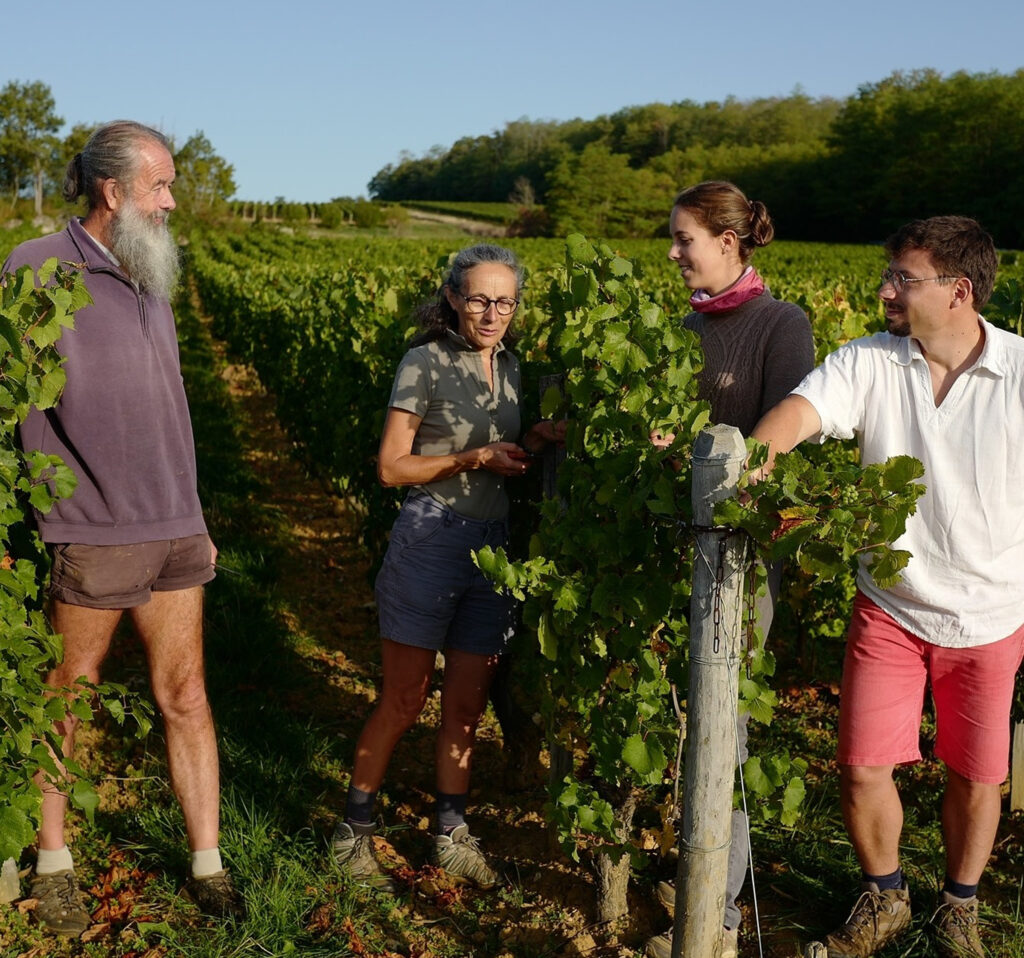
GUILLEMOT-MICHEL
Quintaine Viré-Clessé 2024
$425
$35.42
Retour à la Terre 2024
$595
$49.58
Une Bulle 2023
$425
$35.42
Domaine Malmont
Séguret, Southern Rhône
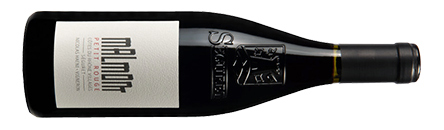
There are winners and losers from the warming trend in France. Weather hazards aside, the Loire Valley and much of Burgundy have come out more or less ahead. In the south, the extremes have been less friendly. It’s no longer uncommon to find wines at nearly 16% alcohol – Grenache, Syrah and Mourvèdre soak up whatever sun they’re given, and there’s only so much winemakers can do to counter temperatures over 100F. All of this makes Nicolas Hanei’s wines from his tiny Domaine Malmont that much more exciting. Grown high in the hills above Séguret in the Southern Rhône, the Malmont vines struggle though rock-laden nutrient-poor soils, slowing their maturation. The west-facing hillside at 1200 feet of elevation enjoys plentiful breezes throughout the growing season, keeping the grapes cool and healthy. The resulting wines are almost an anomaly in the modern Rhône Valley: organic, delicious southern red blends with modest alcohol and fresh textures. They show the dark, dense rich fruit for which the region is known, but always with vibrant tension and lift. Malmont’s terrific 2022 Séguret is available again, so we’re reupping – at 13.5% alcohol it’s impeccably balanced. It’s ripe and delicious with gorgeous texture and beautiful dark fruits. It’s an incredible value sub-$25, with depth and complexity enough to rival a Châteauneuf-du-Pape, but the pricing of an everyday Côtes du Rhône. If you miss the days when you could enjoy a southern Rhône red blend without having to take a nap afterwards, Malmont is the producer for you.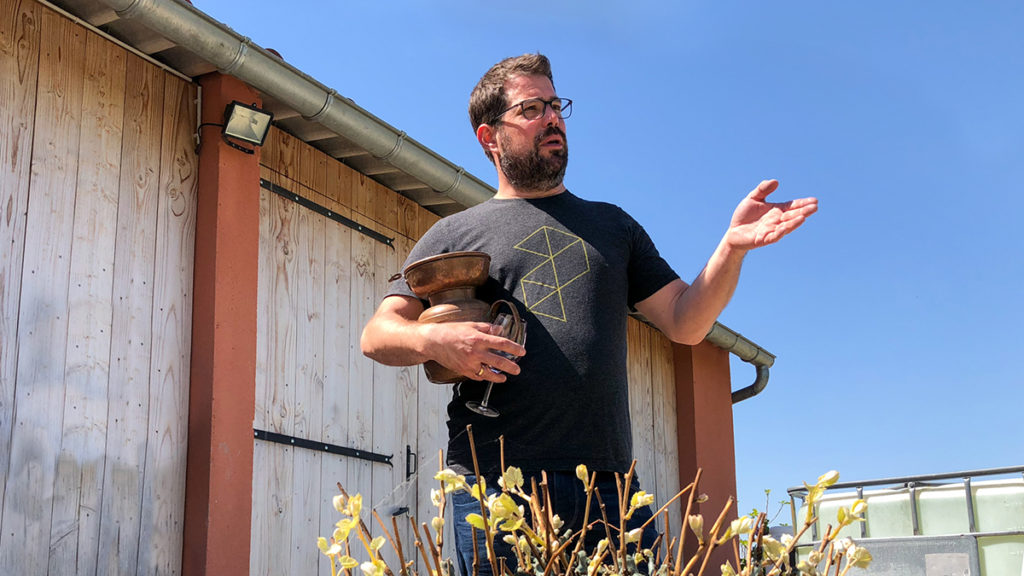
MALMONT
Seguret Rouge 2023
$295
$24.58
Domaine Bonnefond
Côte Rôtie, Northern Rhône
We weren’t able to make it to see Christophe Bonnefond and his daughter Léa this spring, so we haven’t tasted their 2024 vintage. We plan to get samples later this fall, and we’ll report back. But in the meantime, we have a nice backlog of their excellent Côte Rôties, so we’re trying out something new – a Futures Library Release. These wines are already in our warehouse, but we’re discounting them back to around Futures levels, and we’ll ship them with any other September Futures you order. As anyone who has had one will tell you, Bonnefond’s wines age magnificently – and particularly with Rozier and Rochins, they require cellaring to achieve their full potential. We’ve compiled a few vintages of each of their three cuvées (plus their terrific Condrieu), some in quite small quantities. All are available by the quarter case. Colline de Couzou is a blend of several different Côte Rôtie plots, and is the most accessible cuvée – it’s lighter on its feet and readier sooner. The winemakers extract it less, use fewer stems, and fewer new barrels. Colline de Couzou: $695/case ($58/bot) – available by the ¼ case The Bonnefonds make two single vineyard cuvées – Rochins and Rozier – both from the famous Côte Brune sector of Côte Rôtie. Both terroirs give richer, deeper wines, and Christophe and Léa lean into this with longer elevage, more stems, and more oak treatment. The resulting wines are seriously impressive, particularly with some time. Rochins is darker and usually more powerful – the south facing old vines produce wines of real power and muscle. Rozier is around the corner with a more easterly exposition, and produces more lifted and detailed wines. Les Rochins – $895 ($75/bot) – available by the ¼ case Rozier – $895 ($75/bot) – available by the ¼ case Finally, the Bonnefonds produce a beautiful Condrieu, light on its feet with soaring aromatics and excellent freshness. This tiny appellation is where Viognier finds its undisputedly highest form, and the Bonnefond’s version, from Côte Chatillon, is a triumph. Look for notes of yellow apples, apricot, peach, gardenia, rose petals, and tangerine; serve just a bit cool in a big Burgundy stem. Condrieu – $595 ($49/bot) – available by the ¼ case *wines with an asterisk available by the quarter case
Colline de Couzou 2019 – V93 “expansive…fine definition, velvety tannin”
Colline de Couzou 2020 – V94 “long and lively… silky tannins”
Colline de Couzou 2021 – V93 “vivid freshness… elegant finish”
Colline de Couzou 2022 – V93 “lifting freshness…great energy”
Colline de Couzou 2023 – V92 “long and structured…mid-weight tightly knit”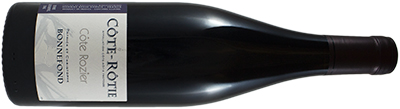
Rochins 2019 – V95 “palate coating…vibrancy and lift…very long and spicy”
Rochins 2020 – V95 “velvety and round…very long, smoke- and spice-tinged finish”
Rozier 2019 – V95 “very long and smoky…cherry and floral
Rozier 2022 – V95 “a stunner…round and ambitious, terrific inner energy”
Rozier 2023 – V95 “delightful purity of fruit…distinctly elegant”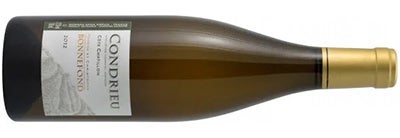
Condrieu 2022 – V92 “concentrated and refreshing… vivid energy on the juicy finish”
Condrieu 2023 – V92 “detailed and nuanced… lifting freshness”
BONNEFOND
Colline de Couzou 2019 *
$695
$57.92
Colline de Couzou 2020 *
$695
$57.92
Colline de Couzou 2021 *
$695
$57.92
Colline de Couzou 2022 *
$695
$57.92
Colline de Couzou 2023 *
$695
$57.92
Rochins 2019 *
$895
$74.58
Rochins 2020 *
$895
$74.58
Rozier 2019 *
$895
$74.58
Rozier 2022 *
$895
$74.58
Rozier 2023 *
$895
$74.58
Condrieu 2022 *
$595
$49.58
Condrieu 2023 *
$595
$49.58
Domaine de la Garenne
Sancerre, Loire Valley
We underbought our favorite Sancerre this year, so in case you did too we’re reoffering it: Garenne’s “Bouffants” cuvée was better than ever in 2024. Here’s a brief refresher: Sancerre remains among the world’s best known white wines. Sauvignon blanc, a naturally high acid grape, is well positioned to weather today’s hot summers without losing pep and energy. Our source here is the Domaine de la Garenne, an old family domaine of the highest quality, certified organic and practicing biodynamic techniques. Garenne’s cuvées aren’t showy or innovative – they’re honest, punchy, simply delicious Sancerre. We import four cuvées, but our best seller has always been “Bouffants.” This unoaked sauvignon blanc comes from 40+ year old vines in a limestone-rich plot with excellent drainage. It’s a perfectly located single vineyard cuvée, and from one of the best plots in the appellation. The 2024 Sancerre Bouffants is the best they’ve made to date. A rainy vintage meant the grapes ripened more slowly, retaining their acidity and freshness. There’s no oak, and the old vines contribute loads of dry concentration cut by a chiseled, stony backbone. The nose shows grapefruit zest and herbal honey, and the mouth bursts with white flowers, lime, and stone. Serve this with a hearty shrimp pasta with herbs and parm.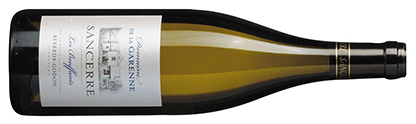
GARENNE
Sancerre Bouffants 2024
$350
$29.17
Fleuron de Liot
Saint-Estèphe, Bordeaux
For decades Henri Negrier was a winemaker in the storied properties of the Haut Medoc, which is home to the greatest names of Bordeaux. St. Estephe holds Chateau Cos d’Estournel, Chateau Montrose, Chateau Calon-Ségur and other Chateaux from the classification of 1855, which remains the primary reference point for ranking the wines of Bordeaux’s left bank. Eventually Negrier seized a rare opportunity to buy vines in that famous town, and as a French wine critic put it, created the St. Estephe Fleuron de Liot “ex nihilo.” Leave it to the French to find a Latin twist to add gravity to our term “from scratch,” but Negrier’s creation deserves some gravity and it is delicious, ageworthy wine. When we visited him a year ago, he called the 2022 his best vintage in thirty years of winemaking, and we jumped on the opportunity. We’ve been back in touch with him and there’s still some in the cellar. We have been happily drinking this wine, and with yet another year under its belt it is better than ever. The black cherry and cassis fruit has rounded out some more, and the concentration and length remains impressive. We won’t miss this opportunity to add yet more of this excellent wine to our cellars, and we recommend the same course to you. 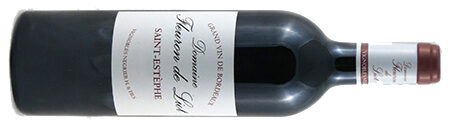
FLEURON DE LIOT
Saint-Estèphe 2022
$350
$29.17
Domaine Bardoux
Montagne de Reims, Champagne
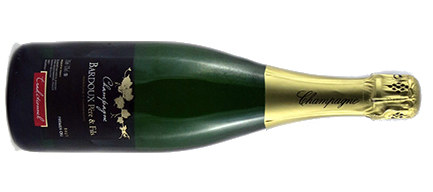
Pascal Bardoux, our philosopher vigneron, has stopped producing wine and has handed the reins over to his son. But we’re glad to have continued access to the remaining stock of his approachable, idiosyncratic Champagnes. More than perhaps any other of our Champagne sources, this is wine first, sparkling second. First up, old faithful – no Champagne has been more popular (or more useful) over the years than Bardoux’s Brut Traditionnel NV. This non-vintage cuvée is a blend of 60% Pinot Meunier, 30% Chardonnay and 10% Pinot Noir. It has the complexity and depth to match the finest bottles from Burgundy or Bordeaux. The nose shows plum, chalk, lime zest, and buttered biscuits; the mouth is dry, elegant, and smooth, with notes of apple and toast. Serve this with anything or nothing. Still somehow sub-$50, still terrific. Pascal also holds some of his Traditionnel cuvée back on the lees, and it’s from this he releases his “Reserve” cuvée – it’s technically non-vintage, but this year’s comes mostly from the 2014 vintage, so he calls it “Reserve 2014.” Champagne undergoes two fermentations – a first in tanks like any other wine, and then a second in bottle under bottlecap. During the second fermentation, the yeast in the bottle consumes the remaining sugar, releasing CO2 and producing the sparkle. After the second fermentation is complete, the winemaker may choose to disgorge (remove yeast and insert a cork) promptly, or hold for longer “on the lees.” These extra years on the lees add depth and a doughy, brioche quality to the wine, making it resemble a vintage Champagne. We think this wine is an excellent value, and if your taste runs toward yeasty bubbles, here’s a cuvée for you. Finally we’re digging into Pascal’s cellar for an offer of 2006 Champagne Millesimé magnums. From a terrific vintage, these magnums have awaited disgorgement for nearly two decades. The blend is 20% Pinot Meunier, 30% Pinot Noir, and 50% Chardonnay, with an 8g/L dosage. The nose is terrific, with woodsy, savory notes alongside the pear fruit. The mouth is chalky and fine, with an astonishing level of vibrancy for its age. Look for notes of rhubarb, cooked apples and raspberry across a beautifully textured palate. You may need a (small) crowd to justify opening one of these, but you won’t need to work hard to finish it.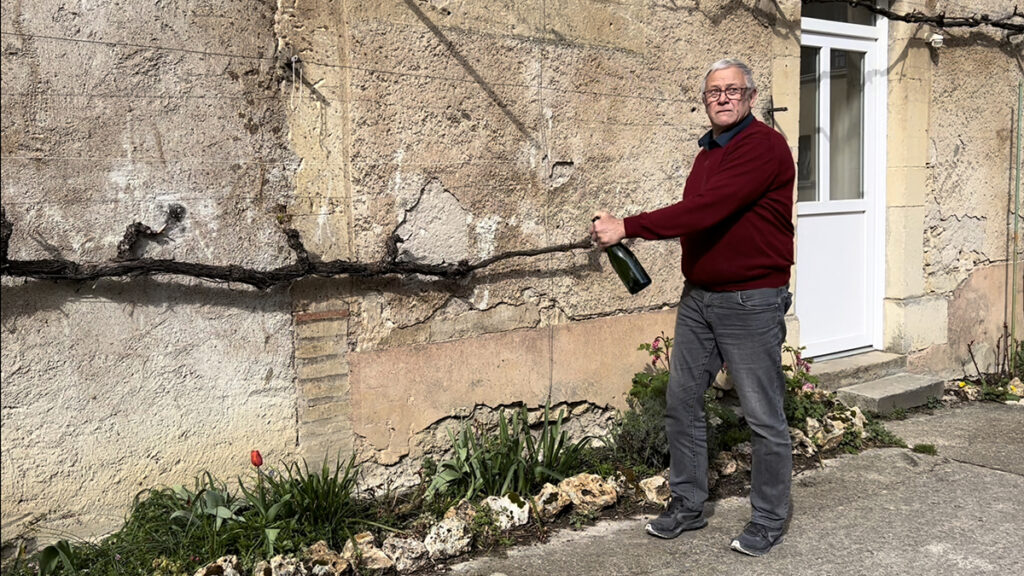
BARDOUX
Champagne Traditionnel NV
$595
$49.58
Champagne “Reserve 2014” NV
$795
$66.25
Champagne Millesimé 2006 (6x 1.5L)
$1,195
$132.50
Briccolina
Barolo, Piedmont, Italy
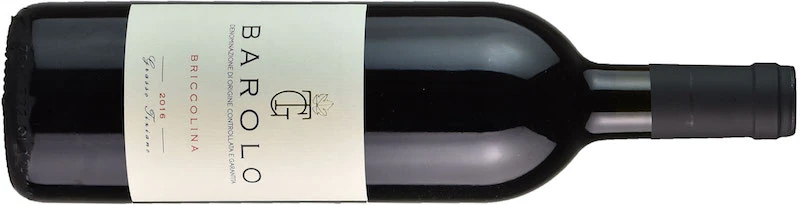
Last year, based on a tip from a Boston area Master of Wine, we began buying from Briccolina, a tiny family-run source in the heart of Barolo. As devotees of Burgundian Pinot Noir we’ve always been intrigued by Nebbiolo from Piedmont – an analogous thin-skinned varietal grown at its northern limit and capable of tremendous complexity and elegance. La Briccolina is the product of the Grasso family who have grown grapes here for a century, but only recently started bottling their own wine. Their single cuvée comes from the Serralunga d’Alba terroir on the eastern side of the Barolo appellation. The soils are compact marls and sandstone with very high iron content, resulting in firm, mineral-driven wines of real character. Our readers have loved the 2020 Briccolina Barolo since it arrived earlier this year, so we’re delighted to follow it up with the terrific 2021. Antonio Galloni of Vinous calls 2021 “an exceptional year in terms of both quality and consistency.” The vintage produced more focused, complex wines full of added depth, complexity, and longevity. The 2021 Briccolina Barolo is exquisite – cherries and spices explode from the glass with notes of licorice, plum, lavender, cedar and mocha. The mouth is refined and very fine grained – with an hour in a carafe it opens beautifully into a middleweight ethereal wine with notes of black cherry, iron, saline and dried roses. Galloni tastes a lot more Barolos than we do, so his praise for the 2021 Briccolina is noteworthy. He awarded 95 points, writing “the 2021 Barolo Briccolina is gorgeous. Medium in body and resonant, with terrific depth, the 2021 shows the more delicate side of Serralunga. Even so, is plenty of weight and body waiting to emerge. Crushed rose petal, blood orange, mint, spice, white pepper, and gravel open effortlessly in the glass. This is impeccably done.”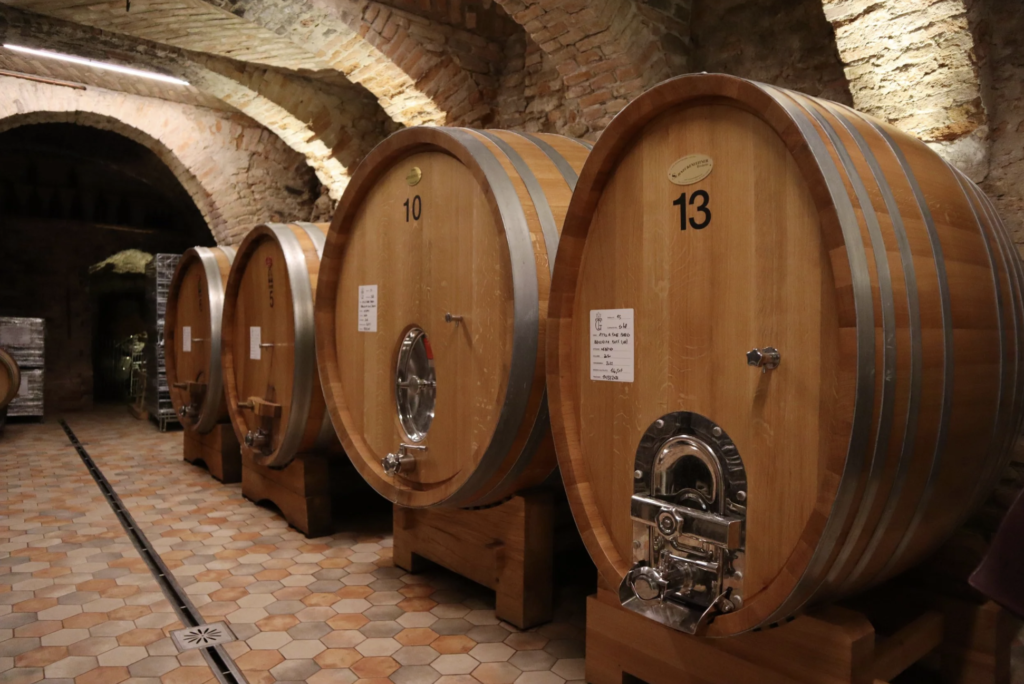
BRICCOLINA
Barolo 2021
$795
$66.25
_____________________________ We expect these wines in December 2026 If you have any trouble submitting the new order form, you can always email us your order. Or give us a call with questions: 617-249-3657, or tom@ansoniawines.com The deadline to place orders for this issue is: SUNDAY, SEPTEMBER 20. Questions? Need advice? Call us: (617) 249-3657. OPTIONS FOR GETTING YOUR ORDERS Pick-up near Philadelphia. We’re pleased to restart our PA pickup option. Wines ordered for PA pickup will be available December, depending on temperatures. Email us for more details. Shipping elsewhere. In most states we can arrange for shipping at an additional cost that varies by location ($4.50 per bottle to the addresses west of Chicago; $3.50 per bottle east of Chicago). If shipping interests you, let us know the state and we will figure out if it can be done.
Pick-up in Massachusetts. We store our inventory at our new warehouse in Newton: 12 Hawthorn St, Newton MA 02458. Futures customers can pick up their orders here during Saturday open hours, or by appointment.