Usually as we write November Futures the news from France is about the just concluded harvest. By November this year, the harvest — the earliest in about 700 years — is old news, and the focus in France is on La Marseillaise’s cry “Aux armes, citoyens!” Given our own political climate, it’s oddly comforting to see our friends in France living through similar ructions, and discussing what has come from the vineyards is a welcome respite from the cares of the day. What is more, 2023’s super-abundant vintage pairs well with 24’s tiny one, providing us with more choice in what there is to buy. So there is plenty to discuss. As usual, Burgundy dominates the November offering, with long lists of wonderful choices from the Domaine Michel Gros in the Côte de Nuits and the Domaine Boyer-Martenot in the Côte de Beaune. We have also gone back to Chablis in the north and to the Maconnais in the south, with side trips to the southern Rhône, to the Loire Valley, and to the right bank of Bordeaux. And after a few years’ break, we have found much to like in the biodynamic wines of the Mas Foulaquier. As always, our goal is to propose wines for every taste and budget, and we hope you’ll find something of interest. If you do, please be sure to submit your orders, in case or half-case lots, by the Order Deadline of Sunday, November 15, 2026. We will place orders for the wine immediately thereafter. JUMP TO SECTION
Gros · Boyer · Maillet · Gautheron · Mestre · Sanzay · Foulaquier · Dauriac
November Futures
Order Deadline: November 15
Domaine Michel Gros
Vosne-Romanée, Burgundy
With the 2024 vintage, Pierre Gros showed himself to be a worthy successor at the helm of his father Michel’s famous domaine. Nature threw curve balls throughout the growing season, from the difficult floraison to heavy pressure from mildiou and more. The result was yields in the range of 10 to 11 hl/ha in some plots, the lowest since 1979. Yet at the end of the élevage, the wine in the much reduced number of barrels was excellent: pure, elegant, and showing the nuances of the superb terroirs from which they come. At their peak of maturity, we expect these bottles to be the ones brought out for special occasions and the finest dishes from your kitchen. The only problem with these wines is their scarcity, and our allocation is dramatically lower than usual – in one instance just 6 bottles. Luckily Pierre has agreed to dig into their cellar a bit and we’ve included some back vintages from 2023 and 2022 below. We’ll start with the current vintage 2024s. During more than forty vintages as the domaine’s principal winemaker, Michel Gros expanded its holdings, not only to additional excellent parcels in the Côte d’Or’s best terroir, but to plots at the regional level, both in Bourgogne Côte d’Or and in the Bourgogne Hautes Côtes de Nuits, just above the peak of the Côte. These properties allow wine lovers to sample the skill and style of the domaine at remarkably good prices. From the 2024 vintage, our first suggestion is the Bourgogne Côte d’Or. The wine is attractive and juicy in the mouth, with no harsh acidity and reduced levels of tannin. There’s just enough toasty oak to compliment the red and blue fruits, and we expect it to drink well from the day it arrives. In the Hautes Côtes, we particularly liked the cuvée “Au Vallon.” This wine comes from a parcel that faces directly south, and so the fruit is darker and the wine has a riper feel. It has fine tannins, a medium weight, and an attractive mouthfeel. We expect it to round out promptly and drink well for three to five years. The Hautes Côtes is also home to the domaine’s sole white wine. It’s always overshadowed by the long and wonderful list of red wines, but part of the Fontaine St. Martin vineyard has a parcel planted to chardonnay. Unsurprisingly, the wine is a nice one. The 2024 vintage has a just the right weight, neither light nor heavy, and its oak seamlessly complements the ripe chardonnay fruit. Burghound praised its “delicious and nicely vibrant flavors that exude a subtle minerality on the clean, dry and lightly austere finale.” Every time we pull a cork, we’re pleasantly reminded just how well the lone white wine shows. Moving to the village level, as usual there are two cuvées of Nuits St. Georges. The first, whose label bears just the name of the village, is a blend from parcels between the towns of Nuits St. Georges and Vosne-Romanée. Aromatically it recalls the spice and floral notes that characterize the wines of Vosne, but with an extra dose of solid core – a dynamic combination that’s always one of our favorite cuvées. The second cuvée is from the part of the appellation to the south of Nuits, in the lieu dit “Chaliots.” Chaliots is a meatier, denser version of this wine. There are dark blackcurrant fruits and more structure. This wine usually needs a bit more time to integrate and smooth out than the first cuvée, but both should offer much pleasure over many years. Futures prices in the $60s also make these unusual values in the context of Burgundy pricing today. The domaine’s small plot in Morey St. Denis is in a village appellation, but it does a good imitation of a premier cru. Given its neighbors, this is no surprise. The vineyard “En la Rue de Vergy” is tucked along the top of the slope, lying just above and adjacent to no fewer than three Grand Crus (Clos des Lambrays, Clos de Tart, and Bonnes Mares). The Morey is always the first of Gros’s village level wines to drink well, consistently integrating and rounding out sooner than the rest. Its toasty oak provides a nice complement to the fruit in this vintage. Look for a silky mouthfeel and an almost Vosne-like floral note. With good reason, Vosne-Romanée is the most celebrated village in the entire Côte (Clive Coates called it “the greatest Pinot Noir village on earth”). It is not only home to Romanée-Conti, it holds a wonderful group of Grand Cru and Premier Cru vineyards, among them Richebourg Grand Cru, Aux Brûlées Premier Cru, and the family’s monopole the Clos des Réas Premier Cru. The domaine’s village Vosne-Romanée is delicious in 2024. Burghound found that its “overtly spicy nose combines notes of both red and dark cherry, exotic tea and a floral top note,” with “enough wood to merit mentioning.” He concluded: “The sleek, vibrant and beautifully textured flavors are rich to the point of opulence while delivering solid length.” This shows remarkable length for a village wine, with more structure and intensity than the first three village-level cuvées. Chambolle-Musigny is a near neighbor that these days is as sought after as Vosne. It offers the elegant sophistication of Vosne with similar floral and spice notes in the nose. Like his Morey St. Denis, Gros’s village level Chambolle adjoins the Grand Cru “Musigny” and is much like a premier cru. There’s more concentration and density, requiring just a bit longer than most village wine to integrate. But also like Vosne, over time it produces wonderful glasses of wine. Look for a blend of sweet and savory spices, with a sappy richness that will carry this wine beautifully for years. At the top levels the Domaine has a remarkable selection. For 150 years it has owned all of the Vosne-Romanée Premier Cru “Clos des Reas.” The vineyard lies on a salmon-colored marl that promotes superb drainage. The result is the rare wine that drinks beautifully both young and old. We have had wonderful bottles of the 1999 vintage for decades, and are now sad to see our last stocks of the 2009 dwindle. But there is much pleasure stored in the vintages since those, and we look forward to watching them unfold. We recommend the same course for those with the cellar capacity, but this wine will greatly please those who don’t, even when they pull the corks young. The 2024 vintage of Réas is lovely: the tannins are very fine-grained and the wine shows excellent length and persistence on the palate. The length is unmistakably premier cru, with a sleek, elegant mouthfeel that seems to go on forever. We round out our offering of the Gros 2024s with the three Grand Crus. Many of you know the wine from the Clos Vougeot well. It’s a very small plot in the best part of the vineyard – a birthday gift from Michel’s father when he was a young boy. (He reports that he had been hoping instead for a bicycle.) It’s always dense, smooth and rich, and mouth filling, and 2024 is no different. The nose shows high and low notes blended nicely with earthy intensity and woodsy oak. Look for both opulence and elegance, and give this at least five years to realize its potential. (It should drink well for fifteen or more years with ease.) Just a few years ago two legacy parcels became part of the domaine upon the termination of a long-term lease from an earlier generation. The first is in Échézeaux Grand Cru. We loved the mouthfeel of the 2024: rich, ample, and long. Burghound found that the 2024 had a “lovely, even seductive texture, and praised its “layered nose of both red and dark cherry along with a plethora of spice and floral elements, especially violet.” The second parcel is a genuine jewel of the Vosne-Romanée crown: a substantial parcel in Richebourg Grand Cru, alongside one owned by the Domaine de la Romanée Conti. The 2024 Gros Richebourg is refined and elegant, with flowers and spice like the Échézeaux, but with even more intensity. It’s a very special wine, and priced accordingly. The 2023 harvest in the Côte d’Or was as abundant as the 2024 vintage was tiny, and so this year we have the luxury of supplementing the meager 2024 quantities with some still-available 2023s. At Gros, we’ll be taking some more of the regular cuvée of the 2023 Hautes Côtes de Nuits. Burghound marked this wine with his symbol for “particularly outstanding in [its] appellation,” finding “both good volume and vibrancy.” We invite you to join us. We’re also recommending you restock the 2023 Hautes Côtes “Fontaine St. Martin” rouge, Gros’s top wine in the Hautes Côtes. Burghound praised its “perfumed and very pretty nose” and its “sleek, delicious and refined flavors.” We poured it at the depot last week and it has village-level complexity and detail. There’s also some 2023 Gevrey-Chambertin “La Platière,” a recent addition to the portfolio. This vintage’s toasty oak plays well against its fruit and earthy elements, and within a year or so the elements should be well integrated. The lush sunniness of the vintage is a nice counterpoint to the rugged intensity of the terroir. There are never many bottles of Gros’s old-vine Nuits St. Georges premier cru, but there are just a few left in the excellent 2022 vintage. This is dense and concentrated wine, whose very old vines produce much millerandage (tiny “shot berries,” which provide concentrated juice). The cuvée is always deep and inky with a long, sleek mouthfeel – here’s a chance to stock up on some with a two year headstart.. The best serendipity in this 2023 restock opportunity may be the domaine’s two Vosne-Romanée premier cru cuvées. For the Vosne premier cru “Aux Brûlées,” Jasper Morris MW projected a point range of 92-95, finding “Glowing ruby purple with a heavenly perfume like the village but more intense. Darker fruit behind, some wood tannins again, and very good length.” Brûlées is a special plot – adjoining Richebourg and home to some of Vosne’s most celebrated winemakers. We never get much, so having a second shot at this is a real treat. Morris was even more enthusiastic about the Domaine’s flagship Clos des Réas in 2023, awarding a rare five star personal rating and projecting 94-96 points. He called it “extremely impressive,” finding “a sound and solid crimson purple. Different in shape, much rounder through the middle, more dark fruit at the back, easily covering the tannins, and exceptional length.” You can’t go wrong with either of these wines. Finally, there is a small amount of 2022 Richebourg, the Domaine’s superb inaugural vintage of this great Grand Cru. Vinous reviewer Neal Martin’s notes say it all: “Aged entirely in new oak, the refined bouquet gradually builds in the glass: mainly dark berry fruit, forest floor, hints of morels and light graphite aromas. The palate is medium-bodied with very fine tannins. This is a more elegant take on Richebourg. It is harmonious with a satin texture, a peacock’s tail towards the finish, and a dash of white pepper on the aftertaste. This marks a very impressive debut.” case (12 × 750ml) / bottle * Wines available by the quarter case.


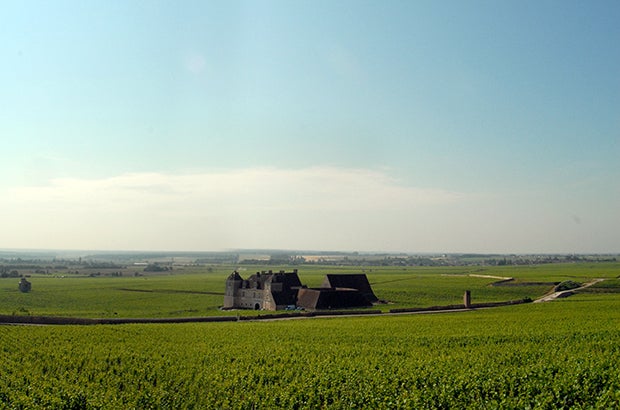
 GROS
Bourgogne Côte d’Or rouge 2024
$375
$31.25
HCDN Au Vallon rouge 2024
$395
$32.92
Nuits-Saint-Georges 2024
$695
$57.92
Nuits-Saint-Georges Les Chaliots 2024
$750
$62.50
Morey-Saint-Denis En la Rue de Vergy 2024
$895
$74.58
Vosne-Romanée 2024 *
$1,195
$99.58
Chambolle-Musigny 2024 *
$1,195
$99.58
Vosne-Romanée 1er Cru Clos des Réas 2024 *
$1,895
$157.92
Clos Vougeot Grand Cru 2024 (by the bottle)
$275
Échezeaux Grand Cru 2024 (by the bottle)
$295
Richebourg Grand Cru 2024 (by the bottle)
$795
HCDN Fontaine-St-Martin blanc 2024
$395
$32.92
Hautes-Côtes de Nuits rouge 2023
$395
$32.92
HCDN Fontaine-St-Martin rouge 2023
$425
$35.42
Gevrey-Chambertin La Platière 2023
$895
$74.58
Nuits-Saint-Georges 1er Cru 2022 *
$1,295
$107.92
Vosne-Romanée 1er Cru Aux Brûlées 2023 *
$1,995
$166.25
Vosne-Romanée 1er Cru Clos des Réas 2023 *
$1,995
$166.25
Richebourg Grand Cru 2022 (by the bottle)
$895
Boyer-Martenot
Meursault, Burgundy
We’ve spent the last few years poking around the Mâconnais in search of well-priced white Burgundies, and we’ve found plenty to love. But the Côte d’Or is the Côte d’Or for a reason — a thousand years of obsession with these vineyards can’t be all wrong. For those bitten by the white Burgundy bug, there’s simply no substitute. Other corners of Burgundy offer delicious alternatives, often at friendlier prices – but nothing tastes quite like these wines. Vincent Boyer somehow continues to fly a bit under the radar of much of the international wine press. (You won’t find us shedding a tear over this, as his prices too are less than his peers’.) He’s an insiders’ producer with a mouthwatering collection of terroirs; together with his sister Sylvie who handles much of the viticulture, they continue to turn out magnificent expressions of their unparalleled terroir. Boyer’s 2024s are exceptional – concentrated, vibrant, and refined. The only problem is their quantity, down 70% from a normal vintage. Our allocations are similarly limited, so interested readers should order early. In happier news, we’re hoping to welcome Vincent to the Boston area for some tastings and dinners at the end of February – local readers, keep your eyes peeled. Boyer’s two regional level wines have long been reader favorites. They showcase Vincent’s exceptional winemaking talent but without the site-specific terroir expression, and so come with a far friendlier pricetag. The fact that a domaine of this caliber still produces two cuvées in the $20s is remarkable. The Aligoté 2024 is everything you want from the grape – freshness, clean apple fruit, delicate minerality. Given an extra year in tank before bottling, it transcends the grape’s humble reputation – this is the best Aligoté in our lineup, and it’s not even close.. Boyer’s Bourgogne Côte d’Or is its classic beautiful self in 2024 – it’s round and smooth with excellent energy and a surprisingly long finish. Vincent gives it 10% new oak, adding just a whisper of wood amid the lush golden fruit. The extra year in concrete eggs further rounds out the palate. Combine this technique with a lively, almost underripe vintage like 2024, and you’ve got a perfect everyday house white Burgundy. At the village level, Vincent farms two plots in Meursault and one in Puligny – all single vineyard cuvées. Meursault is pretty big as Burgundy appellations go, and covers a wide range of terroirs – indeed Vincent’s two cuvées are a yin and yang of the appellation. First, Ormeau: a vineyard on the flat just in back of the domaine, with clay rich soils and vines celebrating their 100th birthday this vintage. This is prototypical Meursault – rich, opulent, golden and chewy. At our tasting in March the nose stopped us in our tracks: white flowers, pear, straw, and brioche. The mouth is lush and beautiful, but shot through with 2024’s signature acidity. A dynamic mouthful of wine you won’t soon forget. Narvaux is the more sophisticated of the pair, and generally considered Meursault’s finest village-level plot. It’s high up the hill above the famous premier crus (more on those later) and shows an even longer and more tension-filled mouth. In 2024 the nose is golden and buttery, a bit closer to Ormeau than usual. The serious, dry fruit flavors are finely channelled across the palate, and the resulting wine is as classy as they come. Over in Puligny, Vincent’s tiny village-level plot in Reuchaux was made even tinier this year by severe losses from mildew. Our allocation is similarly reduced, but what remains is chiseled, exquisite Puligny from a gem of a vineyard. The nose is bright and reserved with chalky minerality amid lime zest and mouthwatering stones. It’s very concentrated, and if you can keep your hands off it for 3-5 years you’ll wish you’d bought more. At the premier cru level Boyer’s portfolio is an embarrassment of riches. Meursault has no grand crus, but rather three undisputed top premier crus: Charmes, Genevrières, and Perrières. Boyer has vines in each, and then an extremely rare plot in a Puligny premier cru to boot. His Meursault 1er cru “Charmes” is usually the friendliest of the bunch, and 2024 is no exception. The nose bursts with white spices and a more savory aspect than usual. The mouth is long and rich with remarkable tension and a sleek, classy finish. This year’s Charmes resembles its neighbor Genevrières more than usual, and that’s a real compliment. Genevrieres itself is its usual extraordinary self. The nose has a deeper register than Charmes – a baritone next to Charmes’s tenor – and shows similar white flowers and spices but adds deep yellow fruit. The mouth too is exceptional, with more sucrocité than usual and a simply gorgeous, mouthfilling finish. This wine is an experience; a meal in itself. Our notes from the tasting in March conclude simply, “Wow.” Finally Perrières, the “eternal Grand Cru in waiting,” to quote Rajat Parr. The nose is dry and exquisite with sweet cream butter and a pleasant reductive note of dried flowers. The palate is deeper and more savory, with an extraordinary stony concentration. This is always less generous young, and repays cellaring handsomely. Lastly, Puligny-Montrachet 1er cru “Cailleret” – a tiny five-owner premier cru that abuts Montrachet, the greatest Grand Cru white of them all. The nose here is rich and buttery with gorgeous minerality mixed with yellow orchard fruit, almost Meursault-like. But in the mouth the Puligny identity resurfaces. as dark yellow fruit joins a savory limestone nose with a splash of salinity. As the map suggests, this isn’t all that far from a Grand Cru. Note too that Vincent has offered us some magnums of many of these wines, an unusual treat. case (12 × 750ml) / bottle * Wines available by the quarter case. Magnums (1.5L) · price per magnum


 BOYER-MARTENOT
Bourgogne Aligoté 2024
$295
$24.58
Bourgogne Blanc 2024
$350
$29.17
Meursault En Ormeau 2024
$995
$82.92
Meursault Les Narvaux 2024
$995
$82.92
Puligny-Montrachet Les Reuchaux 2024 *
$1,195
$99.58
Meursault 1er Cru Les Charmes 2024 *
$1,995
$166.25
Meursault 1er Cru Les Genevrières 2024 *
$2,195
$182.92
Meursault 1er Cru Les Perrières 2024 *
$2,295
$191.25
Puligny-Montrachet 1er Cru Le Cailleret 2024 *
$3,228
$269.00
Meursault En Ormeau 2024 (1.5L)
$195
Meursault Les Narvaux 2024 (1.5L)
$195
Puligny-Montrachet Les Reuchaux 2024 (1.5L)
$235
Meursault 1er Cru Les Charmes 2024 (1.5L)
$350
Meursault 1er Cru Les Genevrières 2024 (1.5L)
$395
Meursault 1er Cru Les Perrières 2024 (1.5L)
$450
Puligny-Montrachet 1er Cru Le Cailleret 2024 (1.5L)
$595
Nicolas Maillet
Verzé, Mâconnais, Burgundy
About a decade ago, when it appeared that we would no longer be able to buy wine at the Domaine Guillemot-Michel, we asked if they could recommend another producer from their part of the Maconnais with similar standards and style. They sent us to Nicolas Maillet in the hamlet of Verzé just down the road, and we have been buying there ever since. His style is indeed very much like theirs: organic and biodynamic to be sure, but also wine that is strikingly pure and clean, with fruit front and center and no oak to get in the way. Maillet’s wines are among the most consistent in our cellar. In hot years and cool, with large yields and small, Maillet’s wines burst with golden Maconnais fruit, honeyed character, and crisp, mineral mouthfeels. We have four to recommend this year – two of the usual Chardonnay suspects and two outliers. First is Maillet’s 2024 Aligoté – unlike Vincent Boyer’s (see above) which is raised in old oak barrels, Maillet’s is 100% in vat. As such it’s a more classic expression of the grape, but a world away from the thin, acidity-laced varietal of years ago. This is clean, fresh and simply lovely – the mouth is surprisingly rich and long, with serious dry extract amid the pear and lime fruit notes. Neal Martin awarded 91 points (a lot for both Neal and the varietal), citing “A pretty, quite floral bouquet with hints of lemon verbena and lemon thyme…Fine tension and linearity…Excellent.” Maillet’s Macon-Villages 2024 Is a blend of several plots around the appellation, and raised entirely in tank. The nose is a pretty, lively blend of stones, herbs, and yellow fruit. The mouth has perfect balance and a dose of lemon curd. Martin awarded 91 again, citing “a fine, cool, crushed-stone lead bouquet that maintains strictness and focus.” At the price, this is a remarkable value and a great choice for an everyday house white Burgundy If your tastes run towards the unoaked. We’ve been sold out of the Macon Verzé 2023 for several months now, and it’s no surprise why – the wine shows a magnificent blend of rich, sunny fruit, lush mouthfeel, crisp acidity, and a long, stony finish. We were delighted to find it still available and are restocking for ourselves. The nose shows pear and tangerine with a bit of wild honey, and the mouth is smooth and bright, bursting with sunny richness from the hot vintage and a cool, chiseled finish. Martin found it “well balanced with pineapple and lemon verbena, and light fennel notes percolating through with time…. Quite a complex and persistent finish.” And finally, something out of left field. “Melting Potes” is a blend of three different plots of mostly Savagnin, and a bit of Pinot Blanc and Aligoté. Savagnin is best known for its starring role in the white wines of the Jura, but Maillet and two of his friends have planted some in the Maconnais.hey ferment it together as a shared project. The resulting wine is really intriguing. The nose is dry and savory, with a touch of spice and honey. There’s just a hint of oxidation from the Savagnin, and the rest of the fruits are exotic but not tropical – lychee, ginger, and a saline note. Jasper Morris and Neil Martin were both taken with this wine, finding it “delicious… well worth looking out for,” and “quite delicious.” This is unlikely to be your next house wine, but it’s lots of fun in a very easy and refreshing glass. case (12 × 750ml) / bottle
 MAILLET
Bourgogne Aligoté 2024
$295
$24.58
Mâcon-Villages blanc 2024
$295
$24.58
Mâcon-Verzé blanc 2023
$350
$29.17
Vin de France blanc Melting Potes NV
$325
$27.08
Domaine Gautheron
Chablis, Burgundy
Back in April, we counseled you all to buy the Gautheron 2024s with enthusiasm, and many of you did. But it seems we should have taken our own advice, as we’ve run low on many of these cuvées already, with half of the year still to go. We’re reoffering some of our favorites and invite you to top up your cellars where needed. At the village level, both of Gautheron’s cuvées are terrific. First, the Chablis “Cuvée Emeraude” offers bone-dry clarity and precision, with pure lemon fruit that stretches out across the palate and finishes very clean. Jasper Morris called it “a bundle of white stone energy,” praising its “fresh and dynamic approach,” its “remarkably long finish,” and its “distinguished nose.” He awarded it five stars (rare for a wine at this level) and rated it 90 to 93. Second, we recommend an old standby, Gautheron’s Chablis Vieilles Vignes. The vines here are 50 to 70 years old, delivering full body and extra concentration. The elevage is a mix of tank and barrels, which provide additional roundness and a gentle hint of oak. Chablis Vieilles Vignes 2024 will be wonderfully versatile: pleasant in a glass by itself, and pairing well with any dish calling for white wine. For vat raised (no oak) premier cru, consider Gautheron’s Fourneaux 1er cru. There’s more clay in the soil here than many places in Chablis, which results in a slightly fuller mouthfeel. As Morris put it, “the Fourneaux repeats the crystalline style. . . . Really crunchy and again with the strong lemon drop content. A little more flesh on the palate, a little less marine behind.” On the left bank, Gautheron farms an exceptional plot of 80+ year old vines in the premier cru Montmains vineyard. The 2024 offers tension, power, fine length, and a beautiful texture; yet it is almost easy-drinking right now despite the impressive density and quality. Jasper Morris had particular praise for the 2024’s “wonderful Chablisian energy.” And finally, two cuvees that weren’t yet available back in March – and they’re two big ones. First Montée de Tonnerre, the famous premier cru plot that borders the Grand Crus, and which many consider at or near the same level. This is raised half in concrete eggs, and half in demi-muid barrels, none new – the oak treatment is carefully and perfectly done. The nose is beautiful with a floral-bitter note ringing out above the concentrated savory core. The mouth is super long, with sweet yellow fruits mixing with a saline minerality. This is delicious young, and will improve for at least five years. Finally the Grand Cru Preuses. The 2024 is dynamic and delicious, raised in 500L barrels. The nose shows ripe sweet fruit with a pleasant bitter reductive stoniness. The mouth is exceptionally rich, with dry fruits and cool freshness along the extremely long finish. Jasper Morris writes “real finesse…a bit of cashmere…really superb especially in the aftertaste…just a touch of salinity.” As Grand Crus come it’s still a bargain, and a wine you won’t soon forget. case (12 × 750ml) / bottle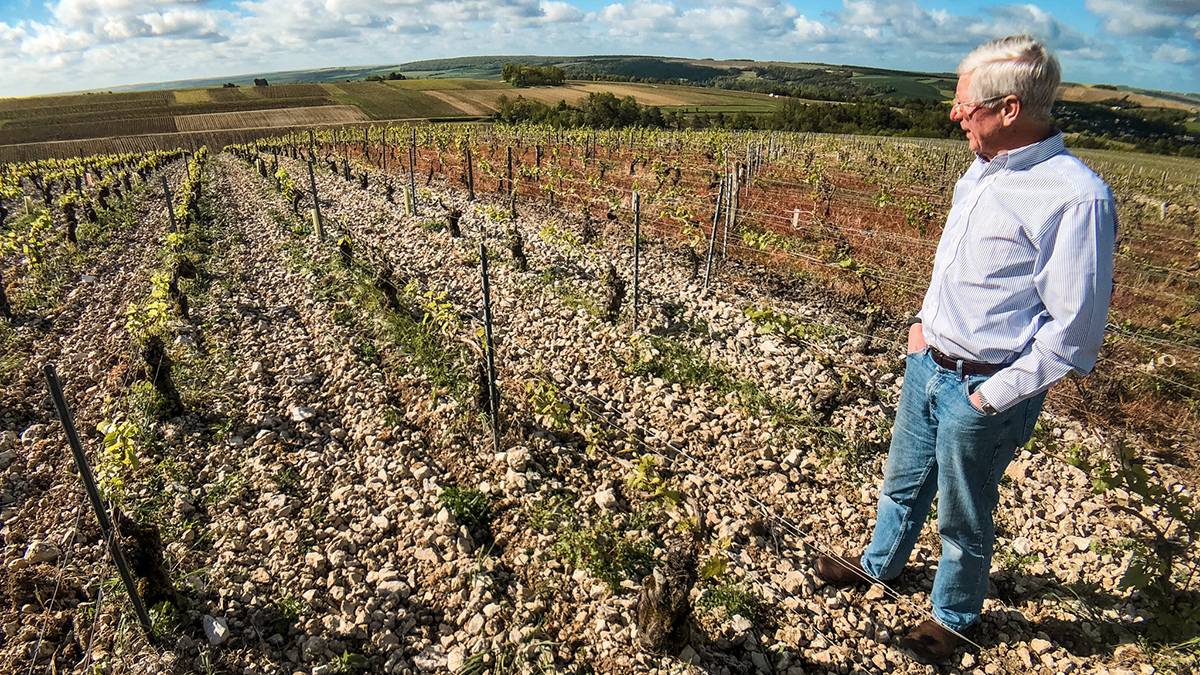
 GAUTHERON
Chablis Émeraude 2024
$325
$27.08
Chablis Vieilles Vignes 2024
$325
$27.08
Chablis 1er Cru Les Fourneaux 2024
$425
$35.42
Chablis 1er Cru Montmains Vieilles Vignes 2024
$495
$41.25
Chablis 1er Cru Montée de Tonnerre 2024
$525
$43.75
Chablis Grand Cru Preuses 2024
$995
$82.92
Christophe Mestre
Châteauneuf-du-Pape, Southern Rhône
It seems we also forgot to take our own advice on Mestre, so we’re re-offering their very popular 2023 Châteauneuf-du-Pape. Together with his son Remi, Christophe Mestre continues to make delicious, old-school Châteauneuf-du-Pape year in and year out. We have trouble keeping this wine in stock – it hits the perfect sweet spot for value, accessibility, food matching and crowd-pleasing popularity. At (somehow) still sub-$30/bot via Futures, it has to be among the best value wines we import. Lots of Chateauneuf-du-Pape is built for the long haul, and somewhat inaccessible young – not Mestre’s. It’s middleweight and delicious, with gorgeous young fruit and friendly tannins. It ages for 5-8 years with ease, but drinks well from the moment it is in the bottle. The 2023 Châteauneuf-du-Pape is terrific – 50% grenache, 25% mourvèdre, 20% syrah, and 5% cinsault. The nose is focused and beautiful, with lovely deep sappy fruit bursting from the glass. Grenache makes up only half this wine, but it’s the star of the show this year – luxurious red fruit of wild cherries, raspberries and hints of provencal thyme combine to make an explosive and seductive palate. The southern provencal warmth shines through the vibrant palate, which bursts with fresh fruit, tannin and delicate acidity case (12 × 750ml) / bottle
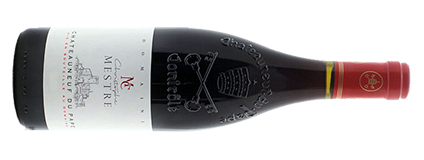 MESTRE
Châteauneuf-du-Pape rouge 2023
$350
$29.17
Châteauneuf-du-Pape rouge 2023 (6 × 1.5 L)
$350
$58.33
Domaine des Sanzay
Saumur-Champigny, Loire Valley
The Loire Valley continues to be one of the most exciting corners of winemaking in France. Organic viticulture, balanced wines, and affordable prices are the rule here rather than the exception. We find ourselves reaching for Loire reds often these days, whatever the occasion – they’re characterful, refreshing, complex and downright tasty. Our source for these delicious reds is the Domaine des Sanzay, a fifth generation organic domaine in Saumur-Champigny in the central Loire. Their unblended Cabernet Franc wines have become highly popular in our warehouse, opening tasters’ eyes to a new expression of the grape. Sanzay’s regular cuvée is the Saumur-Champigny, the current release is 2025. It’s fully vat raised (no oak) and a study in joyful, fruit-forward winemaking. The nose shows cranberry and spring flowers; the mouth is crackling, refreshing, and low alcohol. The 2025 will be ripe and a dose richer than usual from the hot vintage, but still lively and gulpable. This is made for weeknight takeout. Their Vieilles Vignes cuvée spends a year in big barrels, and the excellent 2023 is available again, so we’re re-purchasing. This is darker and bolder than the regular cuvée; the old vines bring a depth of flavor and richness that’s not available to young ones. Look for dried roses and wild cherries in the nose, with dark rugged briary fruit in the mouth. Serve with mushroom stew, and drink over the next 3-5 years. Sanzay’s “Beauregard” single vineyard cuvée is a treat. It sees 18 months of elevage, and draws concentration from its sand-limestone soils. The nose is beautiful, deep and spiced, with notes of peony and graphite over the wild cherry fruit. The mouth is fine grained and concentrated with perfectly balanced tannin and a clean, dry finish. It easily provides $50 worth of complexity and refinement – at $25 it could be considered a robbery. case (12 × 750ml) / bottle
 SANZAY
Saumur-Champigny Domaine 2025
$195
$16.25
Saumur-Champigny Vieilles Vignes 2023
$250
$20.83
Saumur-Champigny Beauregard 2022
$295
$24.58
Mas Foulaquier
Pic Saint-Loup, Languedoc
It’s been a few years since we last sourced wine from Mas Foulaquier. We’ve focused our portfolio more narrowly on Burgundy recently, in large part because there’s so much exciting wine there to keep our attention. Yet if we’re being honest, part of our move has also been away from the south, where scorching hot summers have often meant wines that are high in alcohol and low in freshness. But the winemakers at Foulaquier sent us samples a few months ago, and we tasted them last week. Whether our dismissal of the South has been premature, or whether the Foulaquier winemakers have found a secret recipe, we’re not sure. But the bottom line is that their wines today are crisp, fresh, vibrant, and beautiful – and with alcohol in the 12s and low 13s. A lesson for us, perhaps, about painting with too broad a brush. For readers that are newer to our list and haven’t experienced these wines before, a reintroduction: located in Pic-St-Loup, among the best terroirs in the Languedoc, Foulaquier crafts delicious red blends through careful biodynamic viticulture. Their wines channel the region’s wildness into exuberant, fruit-and-earth mixtures that are always complex and delicious. Given some of the ultra-funky (flawed?) natural wine that passes for finished product today, we’d put them in the “earthy but clean” camp. They might best be described as “fun,” like that offbeat friend from college: you wouldn’t necessarily invite them home for Christmas, but hanging out with them is always a good time. We have three cuvées to recommend. First “Into the Red,” a Vin de France from pure 100% Grenache. The nose shows wild strawberries and spring flowers; the mouth is smooth with mild tannins and a fresh, easy finish. At 12.8% alcohol it’s summerweight and very pleasant – a simple cuvée that delivers with style. Get some now and when the first buds come out in the spring you’ll be ready for patio season. Foulaquier’s signature cuvée is Orphée, a blend of 50% Syrah, 40% Grenache, 10% old-vine Carignan. It’s far more serious than the VDF, but no less fun. The syrah adds a richness and depth to the mouthfeel but the winemakers have extracted it beautifully, and it contains just the right amount of tannin. The two year elevage comes in a mixture of tank, barrel and amphora; and the wine is harmonious and beautifully balanced. The nose shows violets and dark cherries, with just a bit of earthy funkiness. The tannins are fine grained and chalky, and the finish is clean and long – at 13.5% alcohol it’s lively and not a bit heavy. In short, this is as good as “natural wine” gets, and we’re delighted to welcome it back into the lineup. Finally, a new cuvée: Orange à la Mer, an orange wine made from clairette, grenache gris and grenache blanc. Orange wine is made from white grapes but fermented on the skins like a red, technically a vin de maceration. These are unusual, and Foulaquier’s is the best we’ve had in recent memory. The nose shows apricot and rosemary with a pleasant oxidative bitter note alongside the fruit. The mouth has just the slightest hint of tannin, and is otherwise smooth and long. Lots of orange wine is too waxy and thick for our taste – this is the opposite. It has lovely freshness and at just 12.8% alcohol it dances across the palate. Serve it with a cheese course at the end of your next special dinner and your guests won’t soon forget the experience. case (12 × 750ml) / bottle
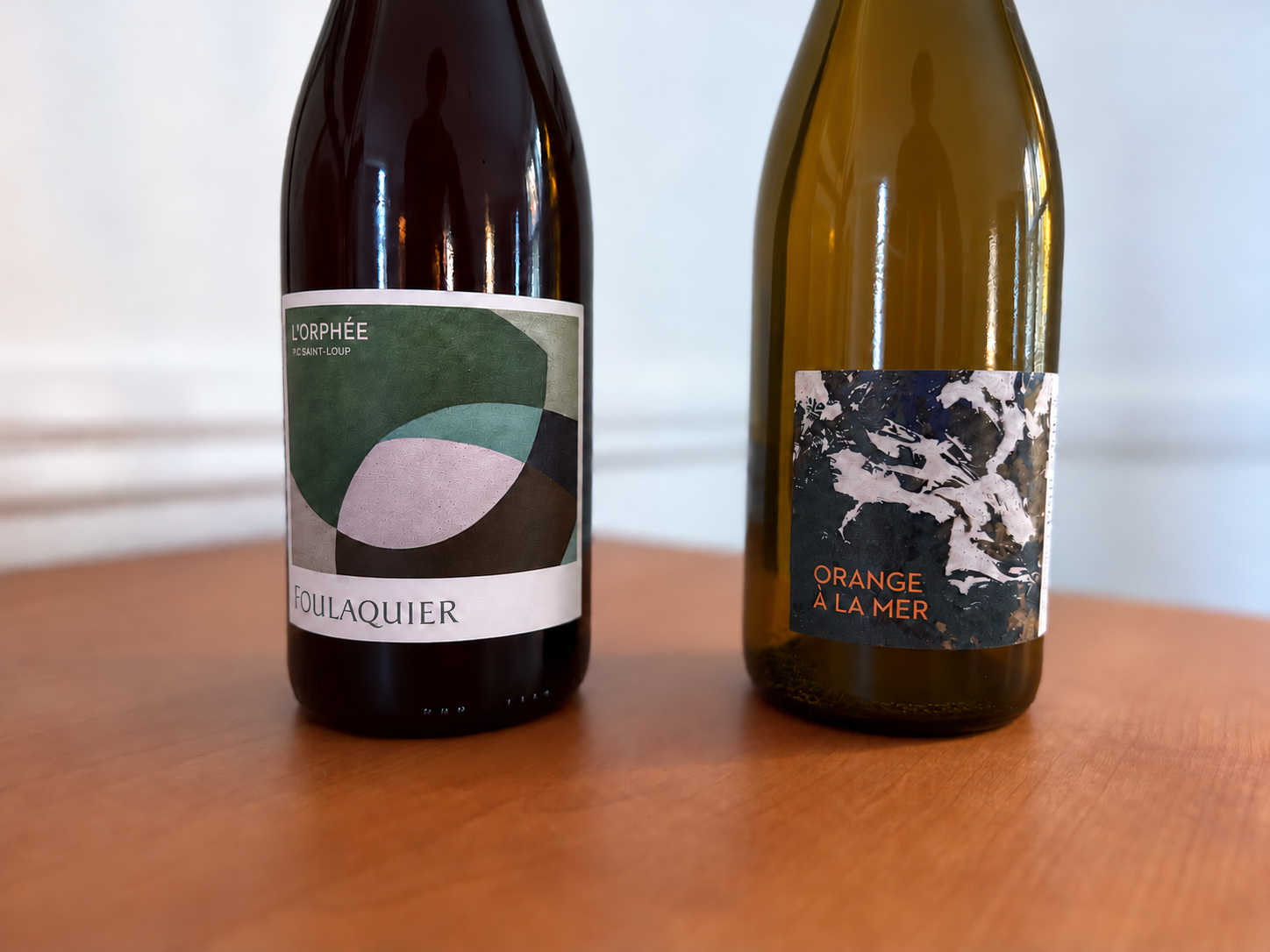 FOULAQUIER
Into the Red 2025
$235
$19.58
L’Orphée 2023
$295
$24.58
Orange à la Mer 2024
$350
$29.17
Vignobles Dauriac
Saint-Émilion, Bordeaux
We have been buying wines from Christian Dauriac, the owner of three fine properties on Bordeaux’s right bank, for a quarter century. Over that time we have seen both Château Destieux and Château Montlisse elevated from St. Emilion Grand Cru to St. Emilion Grand Cru Classé. The winemaking has always been excellent, but recognition has arrived more slowly – Destieux was awarded “Grand Cru Classé” in 2006 and Montlisse just recently, in 2022. We’re offering a back vintage of each – 7-year-old Montlisse and 10-year-old Destieux – and a current release of each. Chateau Montlisse’s elevation to Grand Cru Classé status is a recognition of what we’ve always felt was an overperforming wine. It’s 85% Merlot, with 7.5% each of Cabernet Franc and Cabernet Sauvignon. The 2019 is delicious, and has blossomed over the last 5 years. It’s an easygoing wine, with middleweight tannin and lively freshness behind the lush, dark plum fruit. Vinous’s Neal Martin awarded 92-94, finding “fine grained tannin, well judged acidity,” and “nicely integrated oak,” and concluding “this is a classy offering from Montlisse.” 2023 was an excellent vintage on the Right Bank in Bordeaux – the best wines combine generous fruit with floral notes and firm, savory finishes. Winemakers here, as in Burgundy, have adapted to the new hot, dry norm, and produce balanced wines with precision and class, even in abundantly ripe vintages. The 2023 Montlisse will be fresh and floral, with young fruit aromatics and a lively, structure mouthfeel. Neal Martin found “pliant tannins, very pure and elegant,” counseling patience and a 2029-2039 drinking window. Château Destieux is the flagship Dauriac property. It lies along the highest ridge in St. Emilion, and includes significant amounts of both Cabernet Franc and Cabernet Sauvignon along with the dominant grape, Merlot. It’s a longer-distance runner, and while it’s often approachable young, it does take several years for its oak to meld into the rest of the fruit. The 2023 seriously impressed the critics – Antonio Galloni found it “rich and explosive… potent, opulent…” Remains vibrant through the finish.” Neil Martin agreed, finding “a fresh and vibrant nose with blackcurrant, cassece, and violet…Supple tannins, fine acidity, fresh and lively…One of the best Destieux vintages in recent years.” Of course, wines of this stature are best given time in the bottle. Cellaring wines has become rarer as winemakers craft wines for earlier drinking, and impatient consumers (guilty as charged) look for quicker wins and approachable wines, even at a high level. But there’s no way to simulate a well-aged wine, and we’re always delighted to see a healthy back catalog available at Destieux. The 2016 has long been a favorite, one of the best Bordeaux vintages in the last several decades, and so we’re re-offering it today, after 10 years in bottle. This is not a 40-year wine, so we consider this mature about now – look for chocolate, deep plum fruits, cedar spice, licorice, and wild cherries. If you like mature wines but don’t have a cellar to help them along, consider this one. case (12 × 750ml) / bottle
 DAURIAC
Château Montlisse Saint-Émilion Grand Cru 2019
$395
$32.92
Château Montlisse Saint-Émilion Grand Cru 2023
$450
$37.50
Château Destieux Saint-Émilion Grand Cru Classé 2023
$850
$70.83
Château Destieux Saint-Émilion Grand Cru Classé 2016
$950
$79.17
Order deadline: Sunday, November 15, 2026. Questions? Need advice? Call us: 617-249-3657, or tom@ansoniawines.com. OPTIONS FOR GETTING YOUR ORDERS Pick-up in Massachusetts. Futures customers can pick up at our warehouse, 12 Hawthorn St, Newton MA 02458, during Saturday open hours or by appointment. Pick-up near Philadelphia. Details forthcoming. Shipping elsewhere. Details forthcoming.
Expected arrival: forthcoming.