It’s an interesting time to be in the wine business. On the supply side Europe’s economy is sluggish, geopolitics are a mess, and for the poor vignerons each year seems to bring a new combination of challenges. Weather has been the hot topic among farmers for as long as farming has existed, with the same relevance to winemakers today as to citizens of the Fertile Crescent 12,000 years ago. It’s hard to make a living when two thirds of your crop disappears in a chilly 48 hour stretch, and we empathize with our French friends who spent nights this spring literally burning the midnight oil in their vines. On the demand side, things are hardly clearer. Changing demographics and health trends have shifted the playing field. With 1 in 8 US adults on a GLP-1, and 1 in 3 wearing a fitness/sleep tracker, there’s just less drinking than even a few years ago. Domestic winemakers are in crisis, and many small wineries are pulling their vines or closing up shop. Of course a healthier populace is cause for celebration. We think wine has a place in a healthy lifestyle, as it has for millennia. Our customers often talk about a shift to “fewer bottles, but better ones,” and we see the same pattern in our own consumption. If you’re pulling half as many corks as you used to, better make them count. As anyone who has paused for January or Lent will tell you, that first sip of wine back is special – it means something. Which is, of course, the point. But to us the best thing that wine provides is the necessity of sharing. A bottle of wine fits most perfectly on a table filled with food and laughter and friends. Choosing and sharing a bottle from your cellar is an act of generous expression. It’s a way to tell a story – about yourself, and about a small family craftsman on the other side of an ocean. A healthy life is one that’s shared with others, and to us, a meaningful bottle of wine is one of life’s finest companions. May Futures offers a lot of Burgundy: — 4 of 8 producers and 75% of the wines. From Couvent we’re delighted to offer a grab bag of back-vintage Côte de Nuits reds, ranging from Bourgogne to Grand Cru. In Chassagne-Montrachet, we visit Thomas Morey, an exacting and meticulous winemaker crafting white Burgundies of extraordinary clarity and class. As usual there is great value to be found in Burgundy’s southern half: Gautier Desvignes’s soaring, fine-grained 2024 Givrys, and Sebastien Giroux’s astonishingly well priced Maconnais whites. (Seriously – we had to check ourselves several times to confirm the pricing on these wasn’t a typo.) Outside Burgundy we visit Dumien-Serette for Northern Rhône Syrah from Cornas, and Goubert for rich, delicious, organic Southern Rhône reds. We finish the lineup with a vibrant dry Muscadet from the mouth of the Loire Valley, and our crowd-favorite user-friendly Champagnes from Coutier in Ambonnay. Please submit orders by Sunday May 31 using the order form linked below. We expect these wines to arrive in July; shipping and PA pickup orders will be held until the fall. JUMP TO SECTION
Couvent
Morey
Desvignes
Giroux
Dumien-Serrette
Goubert
Martin-Luneau
Coutier
May Futures
Order Deadline: 5/31
Domaine du Couvent
Nuist-St-Georges, Burgundy
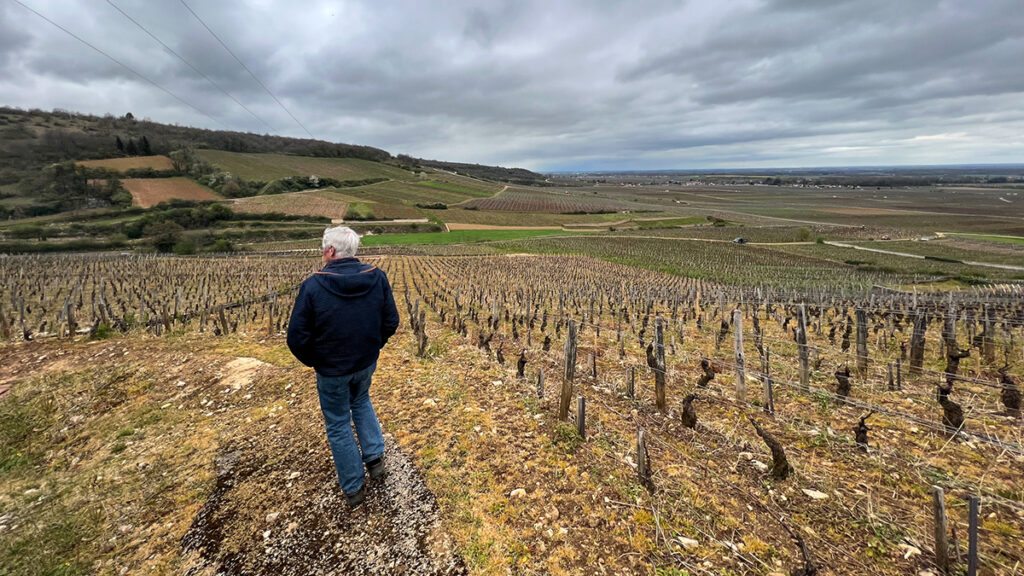
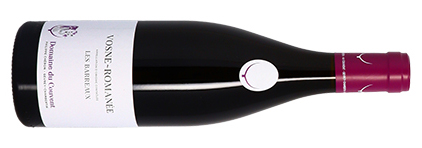
Philippe and Paul Cheron are father and son winemakers at the Domaine du Couvent. The name of the domaine is new, but behind the label are generations of history and an extraordinary collection of vineyards. Couvent was born five years ago when the Cherons acquired most of the Domaine des Varoilles and combined it with their family holdings. Today they farm 25 hectares of vines spread across nearly every corner of the Côte de Nuits. Couvent’s style is serious and traditional – they’ve dialed back the oak, dialed up the stems, and farm with a lighter touch than the Varoilles owners. The resulting wines are simply delicious, marrying intensity and presence with aromatic detail. These wines are at their best after a few years in the cellar, built to provide a platform for the magic only possible through bottle aging. Their relative size and recent arrival on the scene mean they also offer something that most Burgundy domaines abandoned years ago: back vintages. Couvent’s 2024s are detailed and very fine, but will require a few years to drink their best – and we’re delighted to offer some wines with an extra year or two head start. First, Couvent’s terrific Bourgogne rogue. The 2022 has been delicious for years now, and it keeps getting better. From vines in Gevrey, it offers a look at the bigger, richer character that is the town’s signature. In 2022 it was vinified 100% from whole clusters, adding definition to the ripe, dark pinot fruit. It well overperforms its regional-level billing, and it has quickly become one of our favorite Bourgogne rouge cuvées. Burghound praised its “racy, delicious, and well detailed flavors,” and we think it will continue to offer very good drinking. We’re re-offering two of our favorites from the excellent 2023 vintage. First, Vosne-Romanée “les Barreaux” – a special plot of vines along the highest part of the slope in Vosne. The vineyard adjoins Grand Cru Richebourg, Cros Parantoux, and Aux Brûlées below – not bad, as neighbors go. It shines particularly in hot years, and the 2023 is strikingly good, with just 13% alcohol despite the heat of the vintage. Jasper Morris gave the 2023 five stars (the second time in four years) and praised its “deep glowing purple, with a pure racy dark cherry fruit.” Overall, he called it “a really fine village Vosne with impeccable length.” The 2020 of this (also 5-stars) blew tasters away at a Vosne dinner this winter, and we have high expectations for the 2023 as well. Finally in 2023, we’re suggesting “La Romanée,” Couvent’s monopole premier cru in Gevrey-Chambertin. This unusually stony plot is high on a south facing hill at the edge of a forest (pictured above). The wine combines the minerality of the terroir with the boldness of Gevrey-Chambertin into a dynamic, delicious package. The Cherons destem this cuvée entirely, and the 2023 is rich, long and very intense. Jasper Morris was impressed, awarding 92-94 pts and finding “serene fruit across the palate, an elegant and indeed intense poised raspberry, fine-grained tannins with excellent length. Stylish, and sensual.” This cuvée ages beautifully (see below). An importer with a back vintages is like a kid in a candy store, and (clearly) we found it hard to narrow down the selection. We dragged out three of the 2020s from the warehouse to check in on them, and found them all excellent – so we’re presenting four more options, all from 2020. The Gevrey-Chambertin village “Meix des Ouches” is a delight in 2020. A middle-weight wine with gorgeous texture, this is just about à point in maturity on our scale – youthful fruit still around, but with softened tannin and beautiful secondary detail. It has plenty of room to grow, but it’s a real treat today. The nose shows gingerbread, sweet spice, and black pepper; the mouth shows a classic rugged meaty character for which Gevrey is known, but without an ounce of aggressiveness or edge. A few miles to the south, the Cherons have a plot of vines in a Chambolle-Musigny village-level vineyard, “Clos de l’Orme.” This is every bit a Chambolle, and a lovely one at that – silky dried flower perfume unfurls from the glass with grace and poise. The mouth is fine grained and smooth with faint notes of stems and violets. It’s lacelike and lovely. We’re returning to “La Romanée,” that unusual Gevrey vineyard high on the slope. With three extra years in the bottle, this has lost its baby fat but none of its vigor. The nose is deep, floral, dry and woodsy, with notes of cedar and spruce. The mouth is long and dry, with excellent persistence and a bold Gevrey muscularity. If the first two 2020s are nearing maturity, this is still an adolescent – in need of some polish, but with a long and bright future ahead. Finally, Couvent’s Clos Vougeot Grand Cru. The vines for this cuvée are part of Cheron’s family heritage – Philippe’s grandfather bought them from Comte Ligier Belair in 1930, and with a smile he told us of enjoying bottles at Sunday dinners growing up. Allen Meadows (Burghound) awarded 92-95 points, finding a complex aromatic profile: “Ripe and fresh aromas of red and black cherry, plum and earth display a top note of kirsch.” He praised its “outstanding power,” and called it “definitely built to age.” This is ripe, bold, opulent and regal – a grand wine for grand occasions. We’re also offering a sampler case of 3 each of these 2020 cuvées – the case you wish you bought 4 years ago. (Available only as the full case, can not be split.)

(case prices)
COUVENT
Bourgogne Côte d’Or 2022
$450
Vosne-Romanée “Barreaux” 2023
$1,095
Gevrey-Chambertin 1er “Romanée” 2023*
$1,395
Gevrey-Chambertin “Meix des Ouches” 2020
$995
Chambolle-Musigny “Clos de l’Orme” 2020*
$1,195
Gevrey-Chambertin 1er “Romanée” 2020*
$1,495
Clos Vougeot Grand Cru 2020*
$2,940
2020 Sampler (3 of each)
$1,595
Thomas Morey
Chassagne-Montrachet, Burgundy
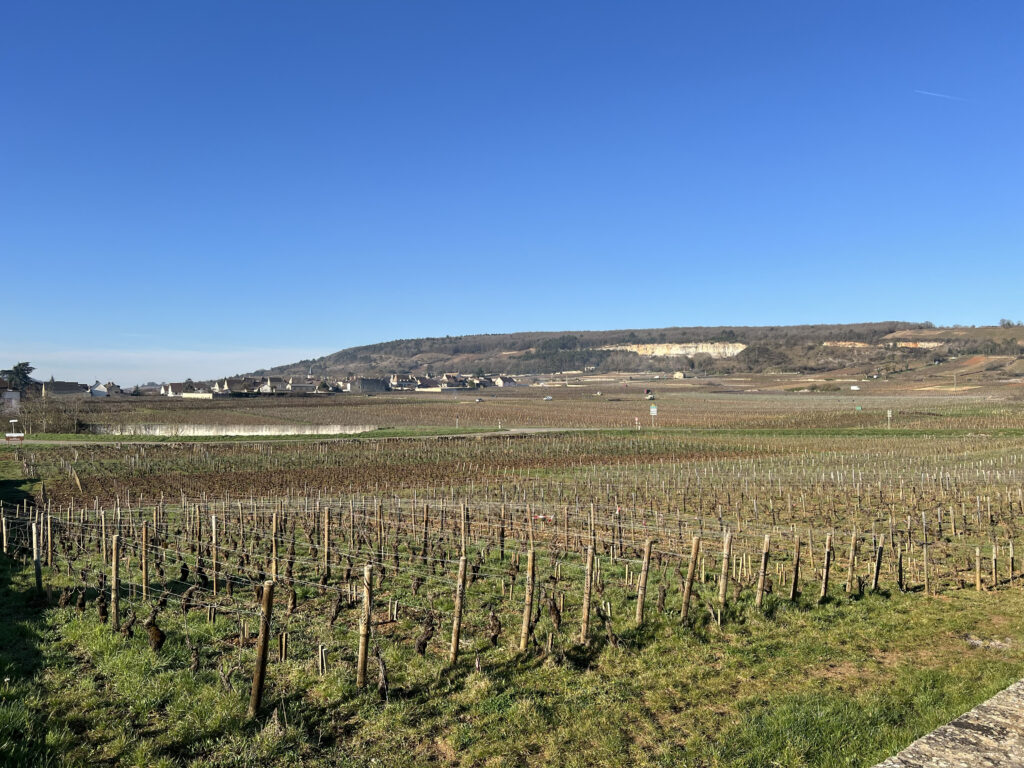
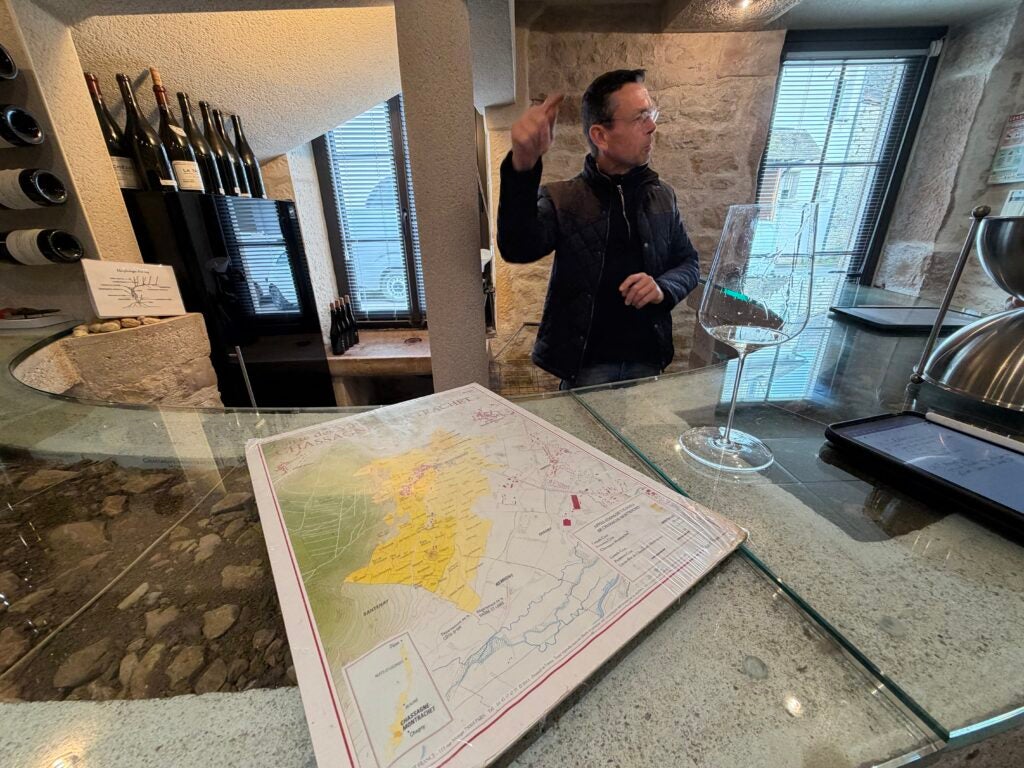
The 2024 vintage may have offered challenges galore during the growing season, but in the bottle it is an excellent showcase for Thomas Morey’s wine, which is always clean, precise and elegant. The finished wines are all fine examples of what Jasper Morris MW admiringly describes as the “chiselled Thomas Morey style.” The entry-level Bourgogne 2024 shows very good balance, with freshness but no harshness, and surprising length for a regional wine. It acquires a bit of fat from the clay in the soils around it, and the result is a pleasant, versatile glass that should drink well almost immediately. It’s a remarkable value under $40. The village level Chassagne-Montrachet 2024 is a blend from nine parcels across the appellation with vines of varying ages, some under 15 years and some very old. Morris was full of praise for it: “a particularly classy example, still fresh enough at the finish, but with a very well-balanced orchard fruit across the palate.” When we tasted it at the domaine in March it was already very expressive aromatically. It is a step up in body from the Bourgogne, and should offer years of quality drinking. At the premier cru level, the Chassagne-Montrachet 1er cru “Embrazees” is particularly nice in 2024. Thomas’s grandfather reclaimed the vineyard after the phylloxera epidemic of the late nineteenth century, so the vines are old. There is both excellent richness and exceptionally good balance. Morris found it “very attractive on the palate, ripe apples, almost something floral as well, good acid balance, and with a feeling of riper fruit throughout.” Though its reputation for longevity trails that of Morgeot by a bit, when we visited with a group of clients in 2019, Thomas opened a magnum that was 30 years old. It was still alive and showing plenty of character. You won’t have to wait nearly that long, of course – a 2022 we had recently was already stunning – but you can count on many good years from the 2024 Embrazées. The Morey family’s Morgeot 1er cru vines lie farther down the slope, in soils with much more clay. The 2024 vintage is definitely built for the long haul, with even more richness than Embrazées. On the other hand it will need more time to show its best — its disparate elements have yet to melt together, but when they do this will be a big wine with real longevity. Morris found notes of lemon peel and orange skin in the 24 Morgeot, and we found a nice mineral line in the finish. Mature Morey Morgeot often combines the richness of Meursault with the elegance of Puligny, and given time the 2024 Morgeot may achieve that. Thomas Morey’s Vide Bourse 1er cru 2024 is near Grand Cru Bâtard-Montrachet, both literally and figuratively. It is at what in medieval times was a dangerous corner of the Montrachet complex. “Vide bourse” means empty purse in French, and it acquired its long-ago reputation thanks to the highwaymen who lurked in its shadows. Happily, today the proximity signals near grand-cru intensity and concentration. Morris found the proximity of Bâtard “evident in the extra weight of fruit.” He praised its “striking intensity” and predicted an upper end score for the wine at 96. We always find it delicious – serious, sophisticated white Burgundy worthy of patience and pause. In his notes on the 2024 Puligny-Montrachet 1er cru “La Truffière,” Jasper Morris expressed what we have often thought: “It is always hard to taste Truffiere after such a line-up of Chassagne-Montrachet premier crus.” With just-bottled Puligny, one always has to think down the road — it always needs more time than Chassagne or Meursault to blossom, and it’s easy to miss Puligny’s unique character when tasting it alongside young bottles from the nearby villages. But as Morris put it, Puligny Truffiere “can hold itself up.” He then ticked through Truffiere 2024’s virtues: “The bouquet is more floral, certainly, but behind this perfume you can read a serious concentration of energy. Some limes in the mix. Good tension, agrumes, youthful bitters, while I have the impression of a substantial amount of wine here.” Our notes from this spring’s tasting read “reductive, stony, slate – wow.” The freshness comes from stones more than acid here, and the finish is impossibly long. Fans of first rate Puligny would be well-advised to consider putting some of this in their cellar. And then, of course, there is Bâtard-Montrachet itself. Taking a glance at the bottle price usually sends us back to re-read the write-ups on Vide Bourse and Truffières. But if you want to judge it by the views of a Master of Wine, here’s what Jasper Morris had to say about it: “An immediate weight of fruit appears, albeit still in the relatively restrained Thomas Morey style. An intense linear backbone, while all the fruit weight seems as if it has barely unfolded. Some lime notes in the citrus, a 2024 which seems just ripe yet retains all the intensity you could want. Long and ultimately refreshing.” This year we chatted a bit with Thomas Morey about when to drink his Bâtard. He said he generally likes the window of seven to ten years, and that right now he is enjoying the 2015 in particular. If you have your heart set on a bottle or two of this, better get to us right away — our allocation for 2024 is in single digits. Over the years we’ve come to appreciate more and more Thomas Morey’s skill with red wine. As usual, we have two suggestions in red. First, the Santenay premier cru Grand Clos Rousseau 2024, and second, the Beaune premier cru “Les Grèves” 2024. Santenay is the Côte de Beaune village whose reds are most like those of the Côte de Nuits. The Côte turns south at that point, and its reds have a riper, rounder character than most others from the Côte de Beaune. Morey’s Santenay always ages beautifully, and the precision and elegance of his style serves the Grand Clos Rousseau well. Look for notes of stones, cassis and wild honey; the mouth is refined and beautifully balanced. Jasper Morris praised its “riper and more succulent fruit on the nose;” and thought that the palate “delivers well” with “much more energy and a little darker in fruit still.” The Beaune Grèves offers a classic Côte de Beaune structure. We found it particularly attractive in 2024, with an excellent shape: lighter in body than sometimes but still somehow complete, showing elegance and precision. It’s fresh and stony but not at all tannic. Give this wine a few years to round out and it will be a worthy match for your most sophisticated and subtle red wine dishes.
(case prices)
MOREY
Bourgogne Côte d’Or 2024
$450
Chassagne-Montrachet 2024
$995
Chassagne-Montrachet 1er “Embrazées” 2024*
$1,195
Chassagne-Montrachet 1er “Morgeot” 2024*
$1,195
Chassagne-Montrachet 1er “Vide Bourse” 2024*
$1,495
Puligny-Montrachet 1er “Truffière” 2024*
$1,495
Bâtard-Montrachet Grand Cru 2024 (by the bottle)
$495
Santenay 1er “Grand Clos Roussot” 2024
$650
Beaune 1er “Grèves” 2024
$650
Domaine Desvignes
Givry, Burgundy
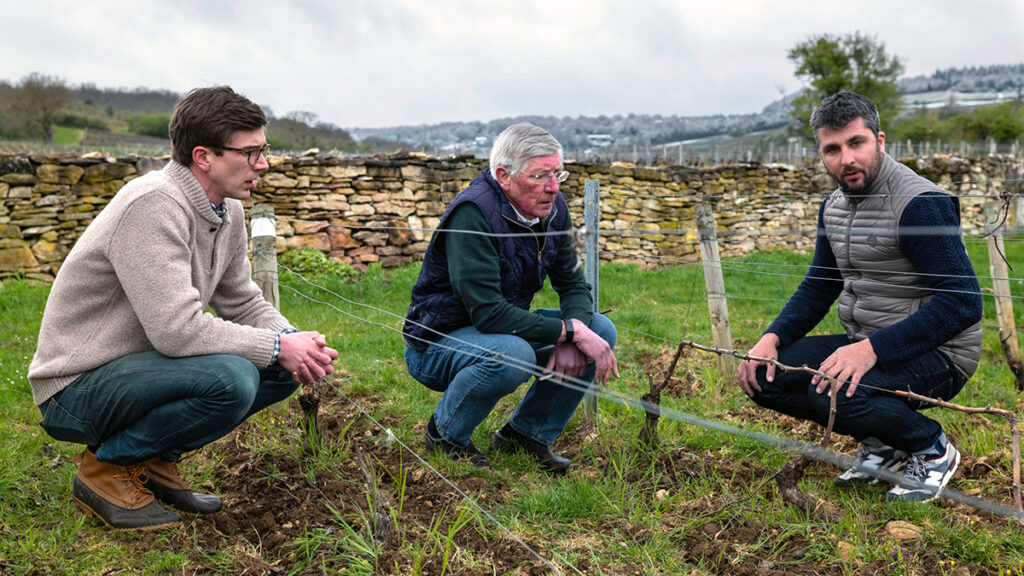
The test of great winemakers is how they perform in the face of adversity. In sunny, dry vintages like 2023, just about everyone made tasty wine. But success in a challenging year speaks far more; and there’s rarely been a more difficult vintage than 2024. Some winemakers struggled, but others excelled; and Gautier Desvignes proved himself an exceptional talent. We’ve long been fans of the Desvignes wines, but it was nice to see Vinous’s Neal Martin (a notoriously exacting critic) heap praises on Gautier’s wines – and particularly impressive when his first visit there was to review the 2024s. “Commendable purity, fine tannins, and clear evidence of thoughtful winemaking,” was Martin’s conclusion – well deserved accolades for an impressive young vigneron. Gautier’s 2024s were among the most successful reds we tasted from the vintage, full stop. They outshone wines from much fancier locales and priced at multiples of his humble Givrys. Put simply, these are wines any red Burgundy collector would be proud to serve at his table. The village-level Givry “Champ la Dame” is excellent as usual. Gautier has managed the balance of tannin, acidity, fruit and weight with impeccable precision — this wine is elegant, fresh and vibrant in the nose, with notes of violets and cassis. He dialed back pigéage (punching down the cap during fermentation) and the resulting low alcohol (13%) wine has an irresistible texture: silky, fine-grained, with mouthwatering tension and finesse. Neal Martin found “lift and delineation on the nose” with a “cold stone element tucked under the raspberry and cranberry fruit.” In the mouth he found “pliant tannins, a keen line of acidity, quite elegant in style with a cohesive finish.” With a $32 Futures pricetag, it’s hard to imagine a better value in red Burgundy. At the premier cru level, Gautier has four cuvées – they’re only a few bucks more, but offer more detail and finesse than the village. The first is the Givry 1er “Grand Berge,” a vineyard at the southern end of town that often gives an accessible, young-drinking texture. This is a real success in 2024 – the nose is pretty and dark with notes of plum and smoke. Fine tannins and delicate red fruits mix with earthy stones. Neal Martin found it “drinkable already” with “a sweet core of red fruit and silky tannins.” Jasper Morris found it “very stylish.” We think this will be tasty from the start. The “Clos du Vernoy” is the Desvignes monopole, with vines dating back to 1960. It produces deep, woodsy wines that often need a bit of time to iron out, but with patience they can be remarkable. The 2024 shows sweet red fruits (strawberry and cherry), with a beautiful, elegant stoniness beneath. The texture is extremely fine and tasty, with a mouthwatering freshness that carries across the rich fruit. This is a more ambitious cuvée that will age better than the others, and which comes with the same exceptional pricing. The Givry 1er cru “Clos Charlé” is Gautier’s most refined cuvée, and in 2024 it sports tremendous detail and balance. The nose is dark and gorgeous with notes of cassis and raspberry, the mouth is finely chiseled with perfectly judged fruit spread over the delicate tannic core. Martin called it “elegant” and “a delightful Givry” with “dark berry fruit” and “cassis and iris.” Whites continue to make up a small fraction of the Desvignes production, but Gautier has proved himself a real talent with Chardonnay. His two Givry blanc cuvées impressed Neal Martin as well, and we think they’re a fine addition to any white Burgundy lover’s collection. At the village level there’s the Givry blanc “En Cheneves.” In 2024 this is dry, linear, and very pretty, with white flowers in the nose and a smooth, fresh, dry mouth. There’s no new oak, and it’s a fresh, lively white Burgundy that might recall a Chablis. Neal Martin found notes of “Cornice pear and a touch of spice,” concluding “makes you dream of a plate of oysters to go with it!” Martin’s highest score from his inaugural visit went to the Givry 1er cru blanc “Les Grandes Vignes.” We’ve long enjoyed this wine and agree with Neal that in 2024 it’s really superb. The nose shows lemon curd and brioche, with a subtle stoniness behind; the mouth is very long and tense, easily matching the concentration of a St-Aubin or even a village Chassagne. Martin found “orchard fruit and light chai scents on the nose,” and in the mouth “well balanced with apricot and white peach.” He concludes simply: “Excellent.”

(case prices)
DESVIGNES
Givry “Champ la Dame” 2024
$395
Givry 1er “Grand Berge” 2024
$425
Givry 1er “Clos du Vernoy” 2024
$425
Givry 1er “Charlé” 2024
$425
Givry blanc “En Cheneves” 2024
$395
Givry 1er blanc “Grandes Vignes” 2024
$450
Sebastien Giroux
Pouilly-Fuissé, Burgundy
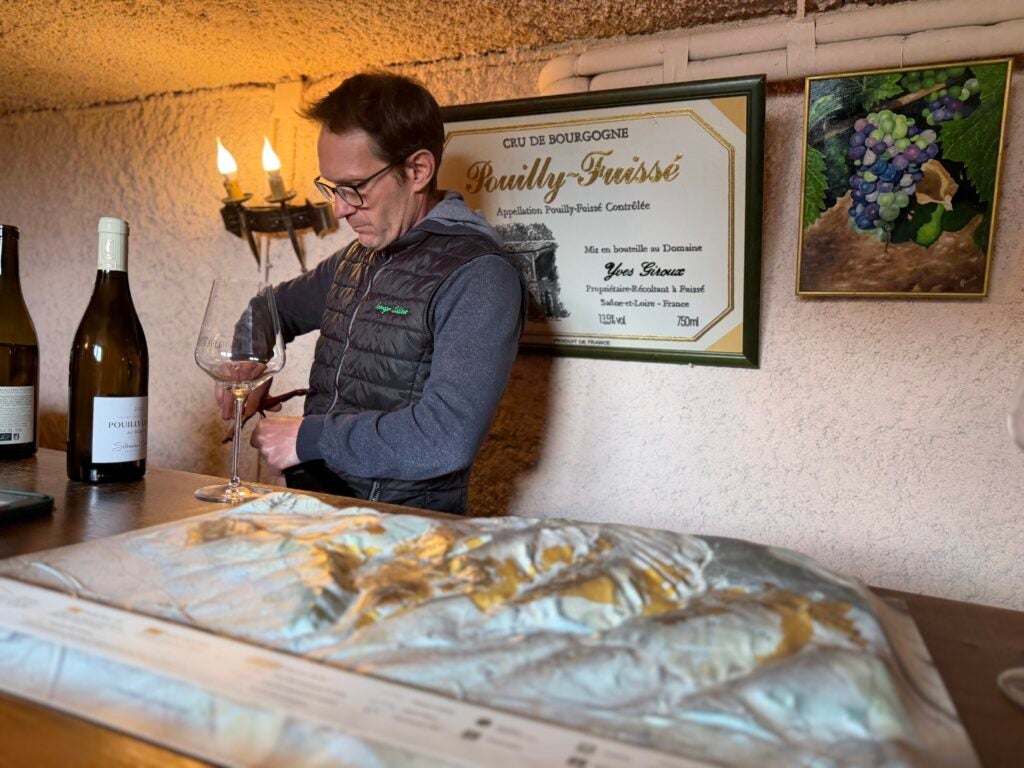
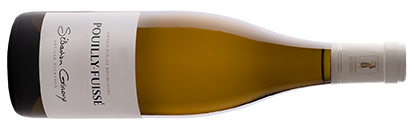
Not everyone has the budget to fill their cellar with just the gems of Thomas Morey and other stars of the Côte d’Or, and we are delighted also to have outstanding value to offer in the white wines of the Maconnais, particularly these from in and around the appellation of Pouilly-Fuissé. Sebastien Giroux is a first rate winemaker with vines in many plots near his hamlet of Fuissé, including Pouilly-Fuissé village and premier cru, Pouilly-Loché, and the regional appellation Macon-Fuissé. He refuses to be rushed into bottling any of his wines on a rigid schedule, and when he believes a wine will benefit from more elevage, he waits. Even so, four of the five wines we suggest here are offered at under $30 per bottle with Futures pricing. We have two ideas from Macon-Fuissé, which is just outside the boundaries of the appellation Pouilly-Fuissé. Both are raised entirely en cuve. The Macon-Fuissé “Les Pelées” 2024 shows the freshness and energy of the 2024 vintage, but also has good roundness in the mouth and longer persistence than one might expect in a regional wine. Sebastien called it “angular Macon,” and indeed there’s a dose of Chablisienne style here. The other will be known to some of you: Macon-Fuissé Vers Chanes, adjacent to Pouilly-Fuissé on the upper slope. Facing east / north-east, Vers Chanes often ripens a bit later than its neighbors, but in 2023 ripeness was not an issue; so despite its lively character and pleasant mineral line, this wine is round and mouthfilling as well. Its terroir gives more body, and it’s more classically of the Maconnais. Both of these wines are priced to drink early and often, and each will better fit one moment or another. Go with Pelées 24 if you like your white Burgundies with tension and zip; go with Vers Chanes 23 if you like just a bit more flesh. To the average resident of the area, Pouilly-Loché is where one catches the TGV to Paris, Geneva, or Marseille. In fact, the wines of Pouilly-Loché have much in common with the celebrated appellation next door. Their name lacks the cachet of their better known neighbor, but taste Giroux’s Pouilly-Loché from 40 year-old vines and you will be hard pressed to find much difference from Pouily-Fuissé beyond the suffix. In this offering we’re suggesting the 2022 vintage, which yielded a supple and rich wine that is drinking beautifully right now. This will be a real crowd-pleaser, and you can open it to sip a glass or to pair with any dish that calls for a rich and round white wine. The 2022 Pouilly-Loché is again all tank-raised, and has an extraordinary blend of spice, saline, smoke and herbs in the nose. The mouth is rich and lovely with generous sucrocité and abundant ripeness from the vintage. If you tasted it blind and guessed Guillemot-Michel or Maillet, you’d be forgiven. For Pouilly-Fuissé itself, we first suggest Giroux’s 2022 vintage. Sebastien raises his Pouilly-Fuissé half in vats and half in oak barrels of varying ages. For 2022, the alcohol clocks in at 13.5%, just a tick below the usual in recent hot years, but enough to make the wine mouthfilling and round. The nose here is exceptional, with a classy reductive character that could easily be in Puligny or Meursault. The depth and intensity could be worthy of a premier cru – a dry core is perfectly coated in classy, balanced yellow fruit. The wine has excellent balance, and like the Pouilly-Loché is drinking really well right now. Giroux’s Pouilly-Fuissé premier cru is in “Vignes Blanches,” and we are again suggesting the 2022 vintage. This is a big premier cru, entirely raised in oak barrels for 12 months, then back into cuve for another 12. It’s lush and beautiful with notes of hazelnut, honeysuckle, brioche and spring flowers – the mouth goes on forever with just enough acidity to add freshness to the rich, ripe fruit. Serve this blind to a white Burgundy collector and they’ll put it in the Côte de Beaune.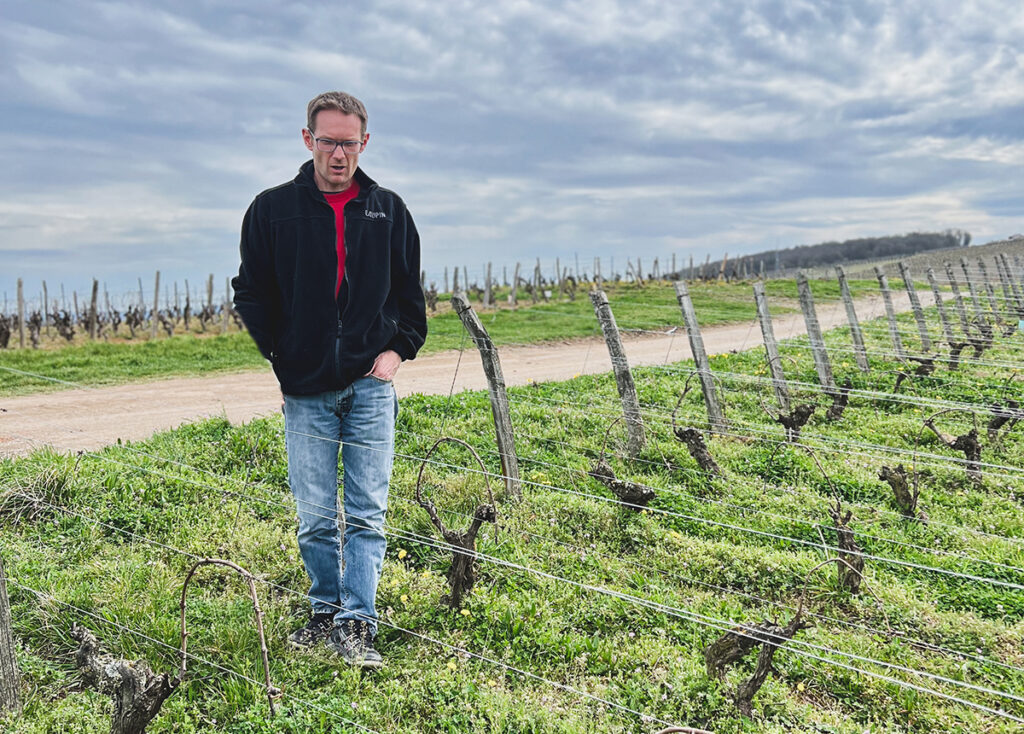

(case prices)
GIROUX
Mâcon-Fuissé “Pelees” 2024
$295
Mâcon-Fuissé “Vers Chanes” 2023
$295
Pouilly-Loché 2022
$325
Pouilly-Fuissé 2022
$350
Pouilly-Fuissé 1er “Vignes Blanches” 2022
$595
Dumien-Serrette
Cornas, Northern Rhône
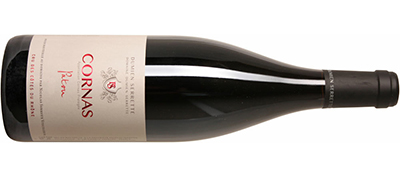
Along with Côte Rôtie and Hermitage, Cornas completes the Big Three of the northern Rhône, where Syrah produces its purest, most refined wine. Aficionados of the Southern Rhône’s wines are familiar with Syrah’s floral, violet infused aromas, and with the dark fruit that adds structure to the blends across that more southerly sector. But the Northern Rhône relies on Syrah alone for its red wines, with St. Joseph and Crozes-Hermitage rounding out the list of appellations where this grape plays solo. The Domaine Dumien Serrette is a very small producer (4 acres!) in Cornas, a very small appellation; and Nicolas Serrette, its fifth generation winemaker, consistently turns out wines that evolve into something memorable with time in the bottle. Patou, the regular cuvée, comes from 80+-year-old vines in the Patou vineyard. The wine is always dense and compact at the beginning, unfurling slowly over its first years in the bottle. There is a lot there: a ripe, dark structure that dominates the first few years, then slowly softens and rounds out as the wine develops. Plenty of complexity emerges. Dark blackberry fruit, of course, but also spice, earthy, meaty, and even leathery elements come and go. Meanwhile, floral notes of violets begin to enter the picture. The Cornas “Patou” 2024 will fit this pattern, and can be expected to deliver a master class in the effect of time in the bottle over the next decade. The really old vines go into the cuvée Henri. Nicolas Serrette’s grandfather Henri was born in 1913, the same year these vines were planted. We tasted the 2024 vintage in our Beaune apartment during our March visit, and it delivered a surprise. Though we might have expected it to be quieter than the Patou, it showed beautifully: the floral notes of violets were on full display, the exceedingly fine-grained tannins were smooth and round, the elements seemed already integrated, and the finish went on and on. For sure, this will be a wine to watch over time. 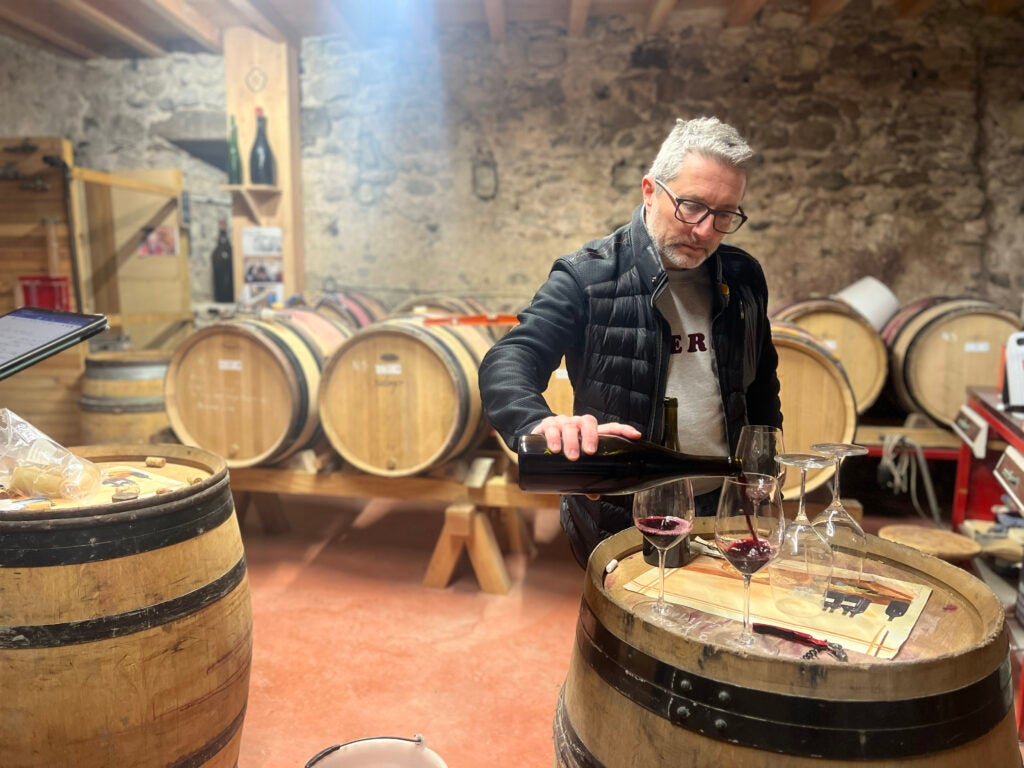
(case prices)
DUMIEN-SERRETTE
Cornas “Patou” 2024
$595
Cornas “Henri” 2024
$795
Domaine les Goubert
Gigondas, Southern Rhône
Florence Cartier continues to steer her family’s Domaine les Goubert with a deft and steady hand. She’s converted nearly all of her plots to organic and has managed to adapt her winemaking style to the blazing hot provencal summers. The resulting wines are better than ever: clear expressions of rugged southern terroir with impeccable balance and with remarkable pricing. All three of this year’s 2023s are terrific. Florence’s 2023 Côtes du Rhône is delightful. It’s unoaked, low-alcohol, middleweight, and very refreshing, with the spirit of a Cru Beaujolais or a Loire Valley cab franc. It’s a blend of Grenache, Syrah, Carginan, and a little known local grape called Brun Argenté or Vaccarèse. This year the Côtes du Rhône is summerweight, with less extraction and gentler tannin. Look for notes of strawberry and garrigue, and serve outdoors with pizza. It’s a useful, tasty vin de soif. The star of last year’s Goubert lineup was the 2023 Beaumes de Venise, and we’re delighted to offer it again. It’s a grenache-syrah-mourvedre blend from a single vineyard plot. The town is best known for its sweet dessert wine from Muscat, but this terroir is well suited to red. The nose is deep and floral with beautiful violet and lavender notes, and hints of plum jam. The mouth is smooth and rich with excellent freshness and a delicate stoniness inlaid among the abundant strawberry and raspberry fruit. The balance is impeccable, and the texture perfectly suited to the fruit. It’s hard to imagine a more impressive red under $25. Florence’s flagship Gigondas really shines in 2023. It has everything in the Beaumes de Venise plus added depth, detail and class. It’s a blend of Grenache, Syrah, Mourvèdre, and Cinsault, with a splash of Clairette (a white grape) thrown in for aromatics. It is raised fully in tank (no oak) and neither fined nor filtered. The nose is a gorgeous perfume of strawberry jam and earthy garrigue. The mouth is solid and smooth, but with a fresh texture across a juicy, delicious, low-alcohol (13.5%) palate. Vinous’s reviewer found it “round and harmonious” with “excellent freshness on the juicy finish,” concluding “the 2023 will be approachable right out of the gate.” This drinks like a Châteauneuf-du-Pape but with a pricetag somehow still in the $20s. 

(case prices)
GOUBERT
Côtes du Rhône 2023
$235
Beaumes-de-Venise 2023
$250
Gigondas 2023
$350
Martin-Luneau
Muscadet, Loire Valley
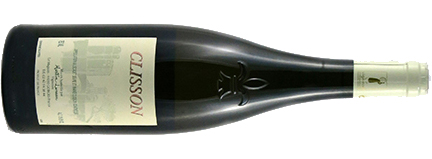
Hailing from the western end of the Loire, just before it flows into the Atlantic, Muscadet is France’s go-to wine for oysters. Walk up to a seafood counter in St. Malo or Cancale to slurp a dozen, and you’ll likely be invited to wash them down with a pitcher of Muscadet. Simple, saline and refreshing, it’s a delicious pairing of like with like, and when you finish it can be hard not to queue up for another six oysters or so. The wine comes from a grape called Melon de Bourgogne, and while “melon” (honeydew, not cantaloupe) is a pretty good match for the wine’s aroma, Bourgogne has more to do with the geography of its origin than with its character. The varietal is light on flavor, so winemakers leave their juice on the lees (Sur Lie) for at least two years to impart flavor and savory richness to the profile. The resulting wine is bone dry, saline, and mouthwatering with notes of bitter grapeskin and stones. Our source for Muscadet is the Domaine Martin-Luneau, whose wine is so popular as to be difficult to keep in stock. This issue we’re offering their 2022 Clisson, a Cru Muscadet with a classic profile. Notes of lime rind, salt air, and melon in the nose join a zippy, refreshing mouth that immediately calls to mind the stark, windswept Breton coast. Shellfish is the most perfect match, but it’s not the only. The wine is a great pairing for a stir fried seafood, cutting through the fat beautifully. Or try it with grilled shrimp or fin fish — it’s a versatile companion for seafood of all sorts. Or just a crumbly goat cheese.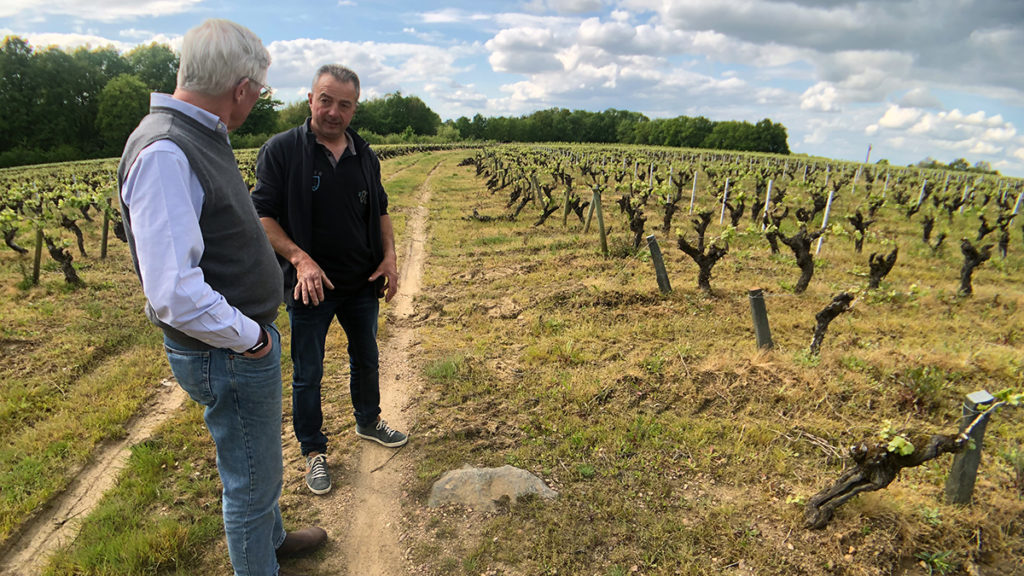
(case prices)
MARTIN-LUNEAU
Muscadet de Sèvre et Maine “Clisson” 2022
$235
RH Coutier
Ambonnay, Champagne
RH Coutier’s delicious grower Champagnes have become a hit since we introduced them a year ago – they’re user friendly and extremely well priced. The Coutiers are an old family in Ambonnay (there since 1619), and today produce small-batch Champagnes exclusively from their own organic Grand Cru vineyards. Antonio Galloni of Vinous calls the Coutier wines “gorgeous…all showing the natural richness of Ambonnay,” and writing they “have been favorites of mine for years, because of their quality, personality, and exceedingly fair prices.” Ambonnay, one of the most famous towns in Champagne, is known as Pinot Noir country – extra clay and warm southern exposure lend themselves well to the red grape. But while Pinot plays a starring role in their blends, the Coutiers have also grown Chardonnay for over 70 years to great success. First, their base Cuvée Tradition – 70% pinot noir and 30% chardonnay. This is exquisite grower Champagne at a remarkable price. It’s super expressive, exploding from the glass with notes of spring flowers, pear, raspberries, herbs and brioche. At 6g dosage it’s dry but full of fruit, and the texture is at once lush and crisp. This is accessible, downright tasty Champagne – full of character, flavor, and life. At under $42/bot it is priced to enjoy on a weeknight in place of your usual St-Aubin (or, these days, Bourgogne blanc). Next up, a new cuvée: Henri III. This is an extra-brut blanc de noirs, all Pinot Noir, and a signature expression of the Ambonnay terroir. The still wine sees a year in oak, and then eight years on the lees – the current release is 60% from 2015, and 40% from 2014. At 4g dosage it’s dry and precise, but with a lush creaminess too from the pinot noir and the time on lees. We loved this cuvée; it’s powerful, opulent and irresistible. The nose is beautiful, with notes of wild flowers, hazelnut and honey; the mouth is round and quite long, but with terrific clarity. Serve this in between dinner and dessert. Coutier’s current vintage release is the 2019 Millesimé. At 3g of dosage it’s technically extra-brut, but exploding with depth or texture. A blend of 75/25 Pinot Noir/Chardonnay, the wine has spent six years on the lees, gaining astounding complexity and depth. The nose is exquisite and fresh, with layers of papery dry fruit. We loved this wine upon opening, and even more an hour later at the bottom of the bottle. Serve this with something fine and subtle – a soufflé, a fish in beurre blanc, or a quiet Sunday afternoon. Sophistication personified.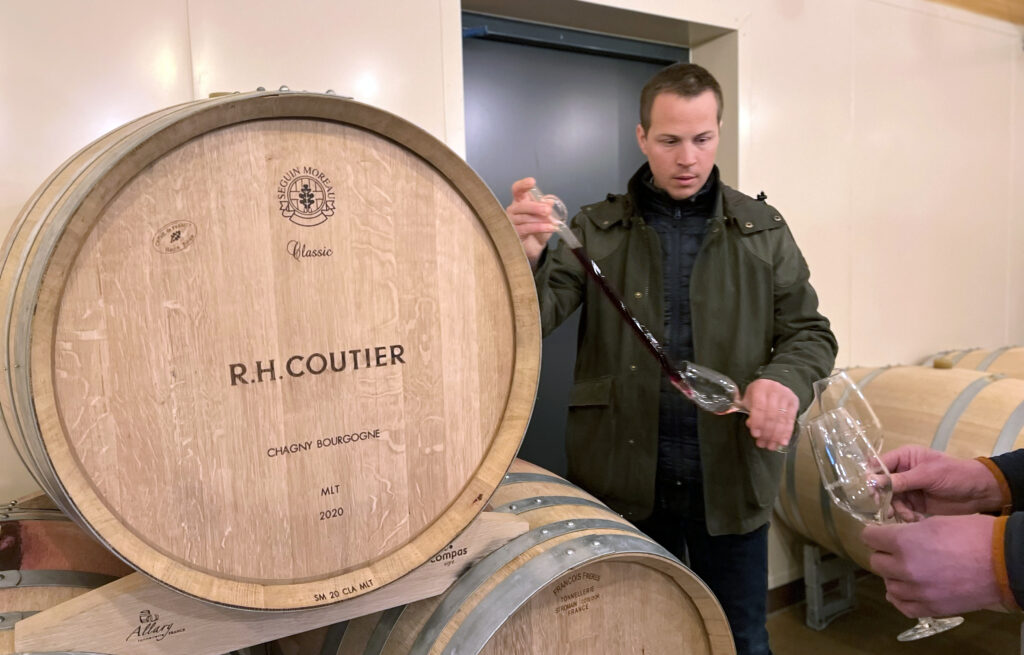

(case prices)
COUTIER
Champagne Brut Tradition NV
$495
Champagne Extra-Brut “Henri III” NV
$795
Champagne Millesimé 2019
$850
_____________________________ We expect these wines in July 2026 If you have any trouble submitting the new order form, you can always email us your order. Or give us a call with questions: 617-249-3657, or tom@ansoniawines.com The deadline to place orders for this issue is: SUNDAY, MAY 31. Questions? Need advice? Call us: (617) 249-3657. OPTIONS FOR GETTING YOUR ORDERS <strong>Pick-up near Philadelphia.</strong> We’re pleased to restart our PA pickup option. Wines ordered for PA pickup will be available December, depending on temperatures. Email us for more details. <strong>Shipping elsewhere.</strong> In most states we can arrange for shipping at an additional cost that varies by location ($4.50 per bottle to the addresses west of Chicago; $3.50 per bottle east of Chicago). If shipping interests you, let us know the state and we will figure out if it can be done.
<strong>Pick-up in Massachusetts.</strong> We store our inventory at our new warehouse in Newton: 12 Hawthorn St, Newton MA 02458. Futures customers can pick up their orders here during Saturday open hours, or by appointment.