For most winemakers in Burgundy, 2024 was a year they would like to forget. It rained more in 2024 than in 2023 and 2022 combined, and winemakers told us they didn’t really see the sun from October 2023 until July of 2024. But wet doesn’t always present with cold, and above average warmth meant that mildew was a constant threat throughout the season – many vignerons treated their vines twice as often as normal (or more), only to have treatments wash away with the relentless rain showers. Grapes arrived at harvest time in rough shape, and sorting out damaged berries was crucial. Once in the tanks, fermentations were unusually tricky to control – as one winemaker explained, “yeasts had a bad year too.” And after all this, a bad flowering and rigorous sorting meant that yields were between 40 and 100% down – many plots produced too few grapes to make into their own cuvée. But as Master of Wine Jasper Morris put it, “a miserable growing season does not have to translate into miserable wines.” Across Burgundy last month we tasted hundreds of wines, with the reds ranging from harsh and unlovable to silky and flat out delicious. The wines were more universally successful, with some addresses (see Gautheron below) producing a stunning lineup that we think rivals 2017 or 2014. In both colors, the contrast with 2023 is striking – at several domaines we tasted side by side 24s and 23s, and they resembled entirely different grape varietals. Each style has its place and its fans, but in a world where the hot dry vintages now outnumber the cool rainy ones, we’re happy for a vintage that’s a bit more “classique.” As always our April Futures brochure features wines for the warmer months. Our goal is to get these wines to you by the end of May / early June. (Geopolitics and shipping logistics make this impossible to guarantee, but we rarely miss this window entirely). As such the offer is packed with crisp, dry, summer-sipper bargains, including whites (Alsace), reds (Beaujolais) and rosés (various). Outside our three exciting Burgundy producers (Amiot, Gautheron, Vessigaud), we head back to Sancerre for four delicious, well-priced Sauvignon blancs, and to Châteaunef-du-Pape for a re-offer of a tasty bargain. Finally we’re thrilled to introduce a new domaine, Yann Chave making delicious, approachable Northern Rhône Syrahs including our first ever Hermitage. Wines are available by the case and half-case; and by the 3-bottle lot where noted with an asterisk*. Amiot’s Grand Cru Clos de la Roche is available by the bottle. If anything is of interest, please submit an order form by Sunday, April 19. We expect the wines to arrive in May 2026. JUMP TO SECTION 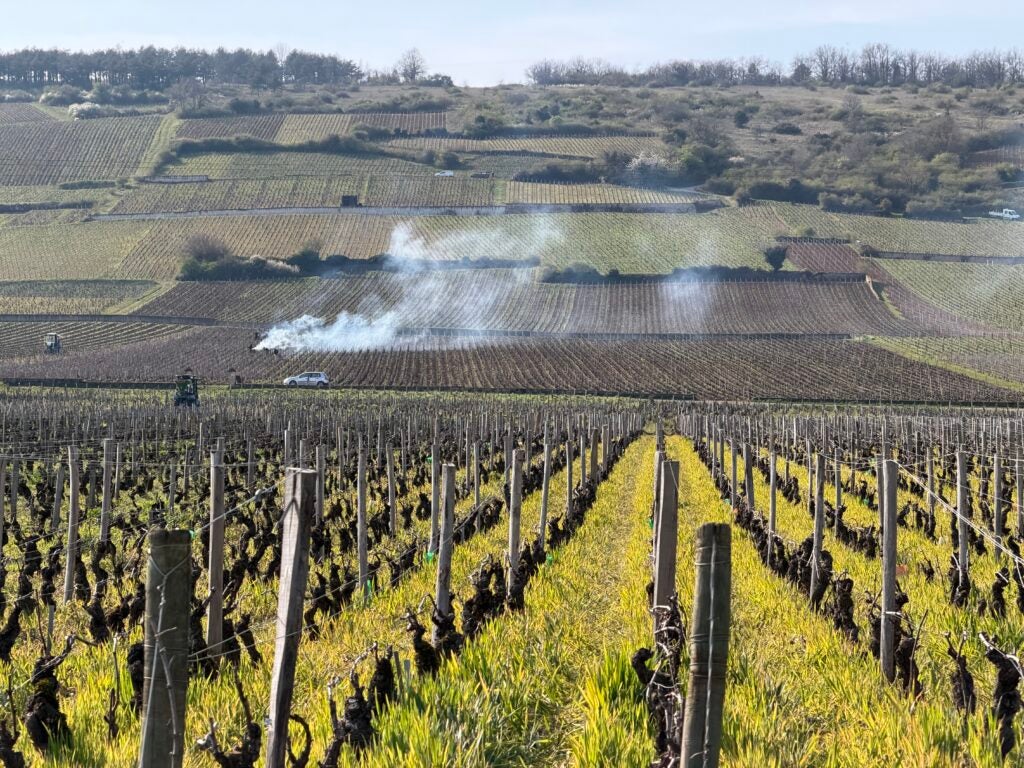
Amiot
Gautheron
Vessigaud
Chave
Mestre
Garenne
Frey
Rosés
Summer Reds
April Futures
Order Deadline: 4/19
Domaine Amiot et fils
Morey-St-Denis, Burgundy
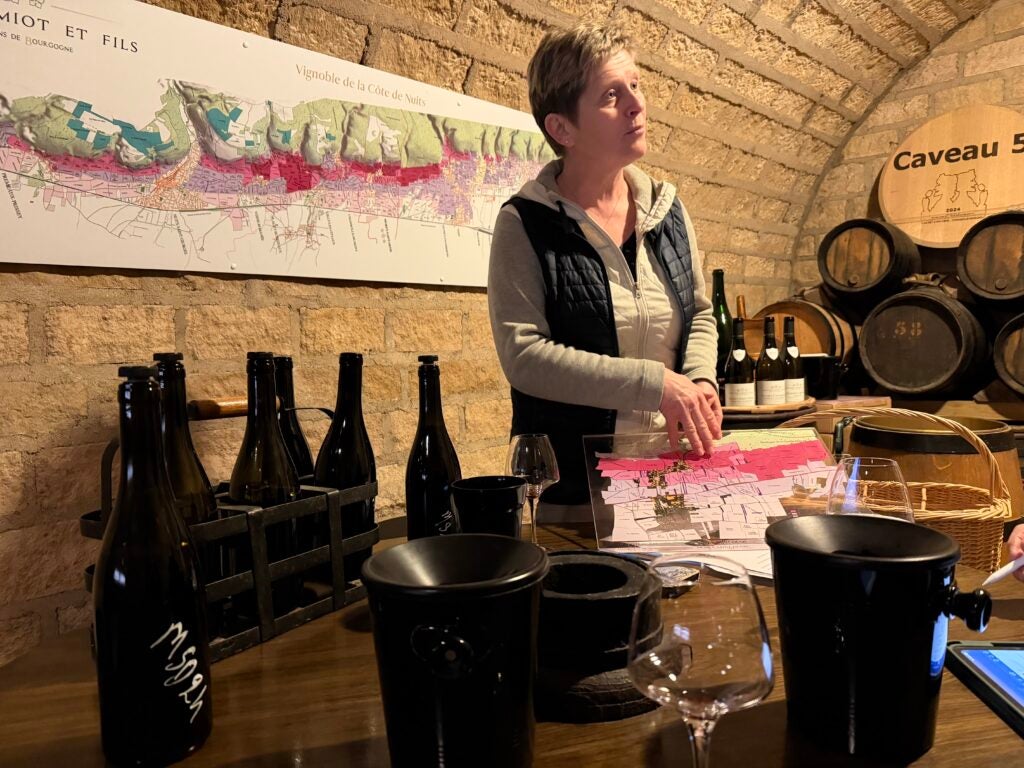
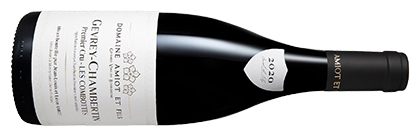
The Domaine Amiot in Morey-St-Denis finished the 2024 season down 70%, with several of their plots yielding so few grapes they had to blend, even at the premier cru level. It was also the domaine’s first vintage certified organic, and the limited arsenal of vine treatments meant that the losses were even more severe. (See our intro above for a discussion of the vintage.) And yet – while it may have been a growing season to forget, the wines themselves were startlingly successful. They present a far lighter character than the powerful 2023s – fine tannin, delicate structures, silky textures and gorgeous, soaring aromatics. Léon judged the extraction expertly, and each cuvée was impeccably balanced. The Amiots told us they expect the wines to be approachable young, and indeed several wines from our tasting were difficult to spit out. Because the 2024s were so tiny in quantity, the Amiots have offered several cuvées from the plentiful 2023 vintage to make up for the limited supply. We’re offering several cuvées from each – the choice comes down to which style you prefer. The 24s provide old-school Burgundy weights, with mild tannins and delicate, dry structures; the 23s are bold and rich with dollops of juiciness over vibrant, sturdy textures. But with a winemaker this good, you really can’t go wrong. In 2024, we’re starting with the village-level Morey-St-Denis, a blend of several plots at the village level. The nose shows bright fresh cherries, with hints of earth and stones. The mouth is silky and smooth, with middle length and a clean, lace-like finish. Burghound found it “round, supple and middle-weight” with “good energy.” We think this will drink well from its arrival, particularly with a carafe. Next up is Morey-St-Denis 1er cru “Millandes,” a vineyard near the town of Morey and just across the road from the Grand Cru Clos de la Roche. The 2024 is unusually pretty – soaring aromatics with notes of cassis and violets. The mouth is light on its feet but with more sinew and muscle than the village level, and much more length. It’s classy and elegant, with enough stuffing to age 4-5 years if needed. It’ll never be the loudest voice at a dinner, but after a few years it might be the most popular. Across the border in Gevrey-Chambertin lies “Les Combottes,” an impeccably placed premier cru surrounded on all sides by five grand Crus. This is unmistakably Gevrey – darker and bolder than its Morey neighbors – but with Amiot’s signature class and finesse. The nose here is deep and beautiful, with notes of cassis and wild cherries; the mouth is a gorgeous combination of dark fruits, fine tannins, and exquisite lift. Burghound called it “Outstanding,” awarding 90-93 points and finding it “the best of Amiot’s 1ers,” and calling it “markedly finer, though not richer” with a “sleeker mouthfeel.” For those whose tastes run richer and sunnier, we’re suggesting four of Amiot’s terrific 2023s. To begin, the 2023 Côteaux-Bourguignons – a gamay-pinot noir blend that’s rugged and delicious. (Léon made neither Bourgogne nor Coteaux-Bourguignons in 2024.) Grown from a single plot of 60 year old vines of both varietals in Morey-St-Denis, for decades the family reserved this cuvée all to themselves. The nose shows delicate red fruited Pinot Noir (think wild cherries and roses), but in the mouth the Gamay appears, adding dark muscly texture to the delicate Pinot fruit. At the southern end of the appellation, abutting the Clos de Tart and Bonnes Mares Grand Crus, lies Morey-St-Denis 1er cru “Ruchots,” most writers’ pick for the best premier cru in the town. The 2023 is a wine with tremendous presence – very ripe and expressive with loads of lush, inky fruit. It’s got the extraction and length to match. Léon’s vines here cover a wide swath of the terroir within the vineyard, and he credits the diversity of soils with the complexity of the wine. He’s able to blend elegant juice from up-slope stony sectors with rich juice from down-slope clay-rich soils; and the resulting wine has nearly unmatched complexity for its level. Léon’s Gevrey-Chambertin 1er “Combottes” was so good in both years we’re offering both. The 2023 is seriously impressive, with Grand Cru level intensity. The nose is deep and darkly floral, with Gevrey’s classic marriage of rusticity and power. The mouth is rich and impeccably balanced, with a finish that seems to go on forever. This is not one to open too quickly – Burghound, who labeled it “outstanding,” awarded 90-93 points, and found it “impressively long,” suggested at least eight years of patience. We think you could get away with five, but shouldn’t be in a rush. And finally, Amiot’s Clos de la Roche 2023 is every inch a Grand Cru. This too is one for the back of the cellar, as it’s built to reward patience. The nose is inky and gorgeous with wild strawberries, toast, and plums. The mouth is like three wines condensed into one, with exceptional concentration and depth but not an ounce of heaviness. Burghound found it “super-sleek and tautly muscular,” and counseled a decade of patience – and this time we agree. Anyone with the time and cellar space will be handsomely rewarded.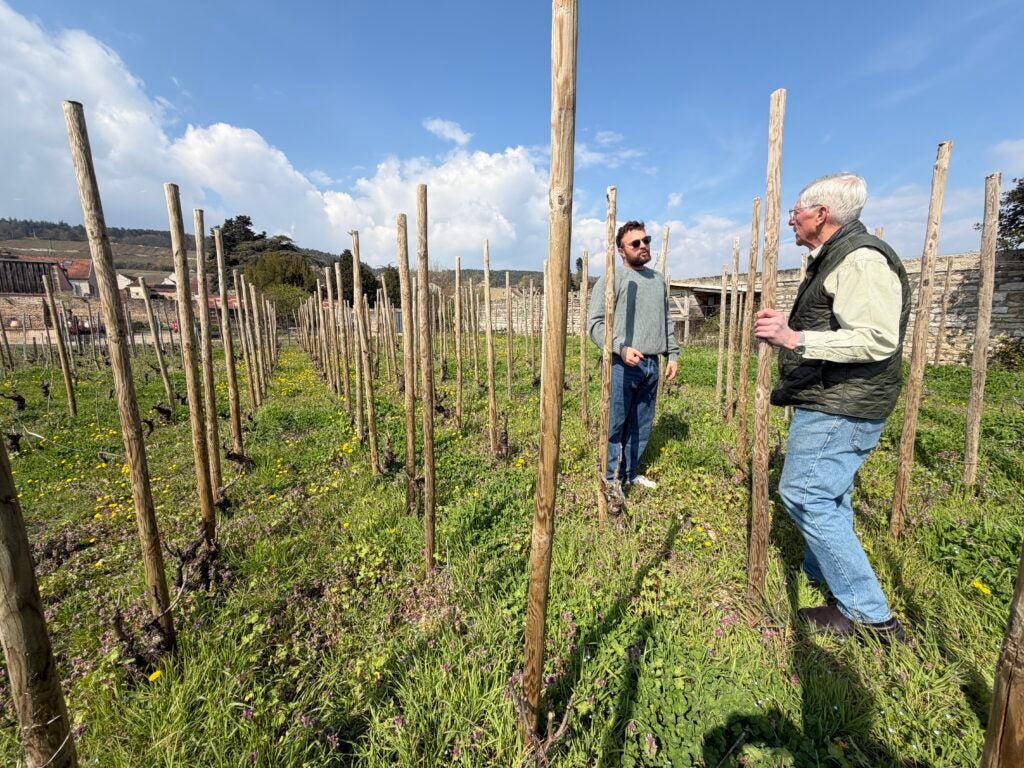
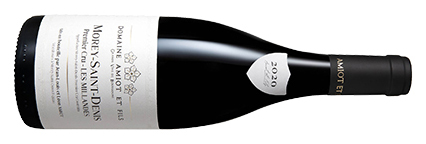
AMIOT Morey-St-Denis 2024: $850 Coteaux-Bourguignons 2023: $295 (Wines with an *asterisk are available in 3-bottle lots)
(case prices)
*Morey-St-Denis 1er Millandes 2024: $1,195
*Gevrey-Chambertin 1er Combottes 2024: $1,495
*Morey-St-Denis 1er Ruchots 2023: $1,195
*Gevrey-Chambertin 1er Combottes 2023: $1,495
**Clos de la Roche Grand Cru 2023: $295/bot
Domaine Gautheron
Fleys, Chablis, Burgundy
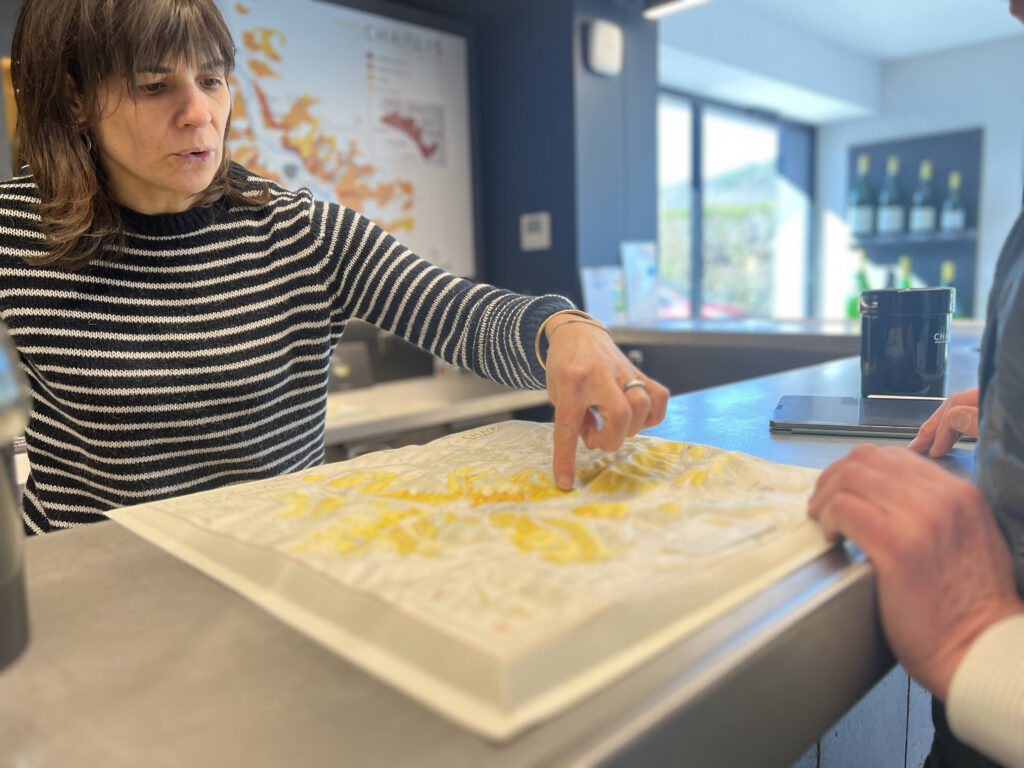
For many years we have known the Domaine Gautheron as a low profile address offering consistently excellent wines in a style that is truly Chablisien. It was a pleasure, then, to read Jasper Morris MW begin his review of their 2022 vintage by calling Cyril Gautheron “a superb producer making wines in a crisp cool classically Chablis style.” The 2024 vintage provides a ringing affirmation of this praise. The wines are a beautiful showcase for Cyril’s skills and for the subtleties of Chablis terroir. The 2024 vintage brought a return to classic Chablis – steely, dry wines full of tension and elegance – and Cyril navigated the vintage beautifully. At the village level, we have two wines to suggest. First, Gautheron’s Chablis “Cuvée Emeraude” offers bone-dry clarity and precision, with pure lemon fruit that stretches out across the palate and finishes very clean. Morris called it “a bundle of white stone energy,” praising its “fresh and dynamic approach,” its “remarkably long finish,” and its “distinguished nose.” He awarded it five stars (rare for a wine at this level) and predicted a rating on the 100 point scale of 90 to 93. Second, we recommend an old standby, Gautheron’s Chablis Vieilles Vignes. The vines here are 50 to 70 years old, delivering full body and extra concentration. The elevage is a mix of tank and barrels, which provide additional roundness and a gentle hint of oak. Chablis Vieilles Vignes 2024 will be wonderfully versatile: pleasant in a glass by itself, and pairing well with any dish calling for white wine. For this wine, Morris predicted a rating of 90 to 92. As for premier cru, we found Vaucoupin 1er cru particularly attractive this year. This is one of the family’s longstanding holdings and has become a favorite among Ansonia customers. Its vines have a full southern exposure, which promises good maturity, and it is always entirely vat-raised (no oak). There is an attractive mineral line alongside the ripe lemon and white peach fruit. Fourneaux 1er cru, another of the family’s core holdings, is also entirely vat-raised. There’s more clay in the soil here, which results in a slightly fuller mouthfeel. As Morris put it, “the Fourneaux repeats the crystalline style. . . . Really crunchy and again with the strong lemon drop content. A little more flesh on the palate, a little less marine behind.” The Gautherons have been quietly adding to the Domaine’s holdings in recent years, acquiring plots in some of the best known premier cru vineyards, among them Montmains on the left bank of the Serein and Mont de Milieu on the right. In his 900 page tome Inside Burgundy, Jasper Morris set out the general character of the different sides: wines from the Left Bank “tend to have more of a white flower or fruit nature,” and wines from the Right Bank “tend to show a more exotic style of ripe fruit, typically more yellow than white in style.” Gautheron made exceptional wines from both Montmains and Mont de Milieu in 2024. Gautheron’s Montmains 1er cru is from truly old vines on clay limestone soils — in fact more than 80 years old. The Montmains Vieilles Vignes 2024 offers tension, power, fine length, and a beautiful texture; yet it is almost easy-drinking right now despite the impressive density and quality. Jasper Morris had particular praise for the 2024’s “wonderful Chablisian energy.” Mont de Milieu 1er cru is on the right bank, just a bit upstream from all of the Chablis Grand Crus. There’s more clay in these soils than in Montmains, which is often a harbinger of bigger, more powerful wine; but while there is noteworthy volume and roundness here, the wine also finishes fresh. In short, it offers the best of both worlds. Comparing Gautheron’s Montmains 2024 to their Mont de Milieu, Morris found “a slightly fuller less saline nose, more the generous fruit of the right bank.” You can’t go wrong with either of these wines, and your personal taste should guide your pick between them. At the Grand Cru level, consider Gautheron’s “Les Preuses,” one of the seven Grand Cru vineyards that lie in an arc along the right bank of the Serein. Although Chablis Grand Cru is by far the priciest wine available in Chablis, when measured against the other great white Burgundies it is a screaming bargain. If you have any doubt, take a look at today’s pricing for Corton Charlemagne, Montrachet, Bâtard-Montrachet and their neighbors. Indeed, Grand Cru Chablis can be purchased at a substantial discount to the finer premier cru white Burgundies from Meursault, Chassagne, and Puligny. Gautheron’s 2023 and 2024 Grand Cru “Les Preuses” both garnered high praise from Jasper Morris (just a tick higher for the 23 at the top end of the predicted range), and either would be a fine addition to your cellar. But there’s a little bit left of the 2023, which we tasted during our March visit, so that’s the one on which we’ll focus. These wines are raised for 12 months in oak barrels (500 liter demi-muids rather than the traditional 225 liters); then another 6 assembled en cuve. This delivers a pleasant but light touch of oak, which is hardly all that goes on in the glass. Morris called the 2023 “an intense version of cashmere,” and went on to note: “huge volumes on the palate, just the right balance between spice and acidity. Incisive yet chalky, broad but not fat and properly complex, a worthy rendition of Les Preuses.” We have dropped the minimum Futures purchase to three bottles, so it’s a good time to give Grand Cru a try.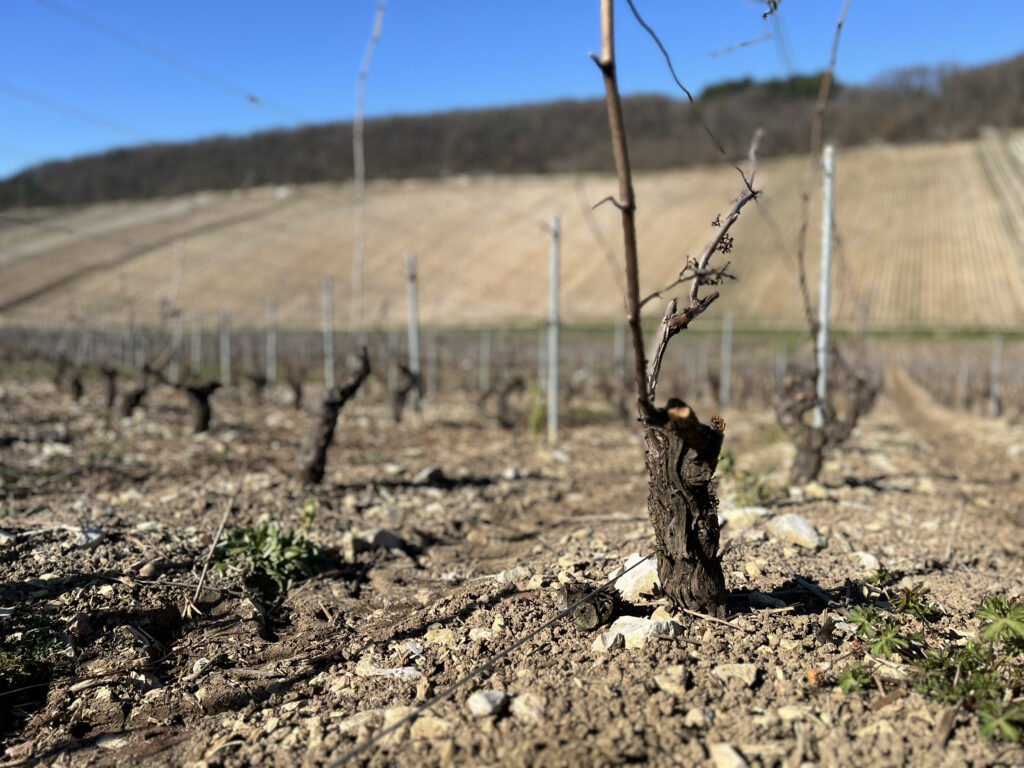
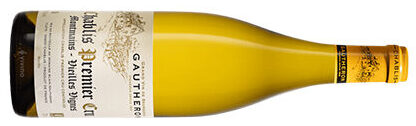
GAUTHERON Chablis “Emeraude” 2024: $325 Chablis 1er Vaucoupin 2024: $425 *Chablis Grand Cru Preuses 2023: $1095 (Wines with an *asterisk are available in 3-bottle lots)
(case prices)
Chablis Vieilles Vignes 2024: $325
Chablis 1er Fourneaux 2024: $425
Chablis 1er Montmains VV 2024: $495
Chablis 1er Mont de Milieu 2024: $495
Pierre Vessigaud
Pouilly-Fuissé, Burgundy
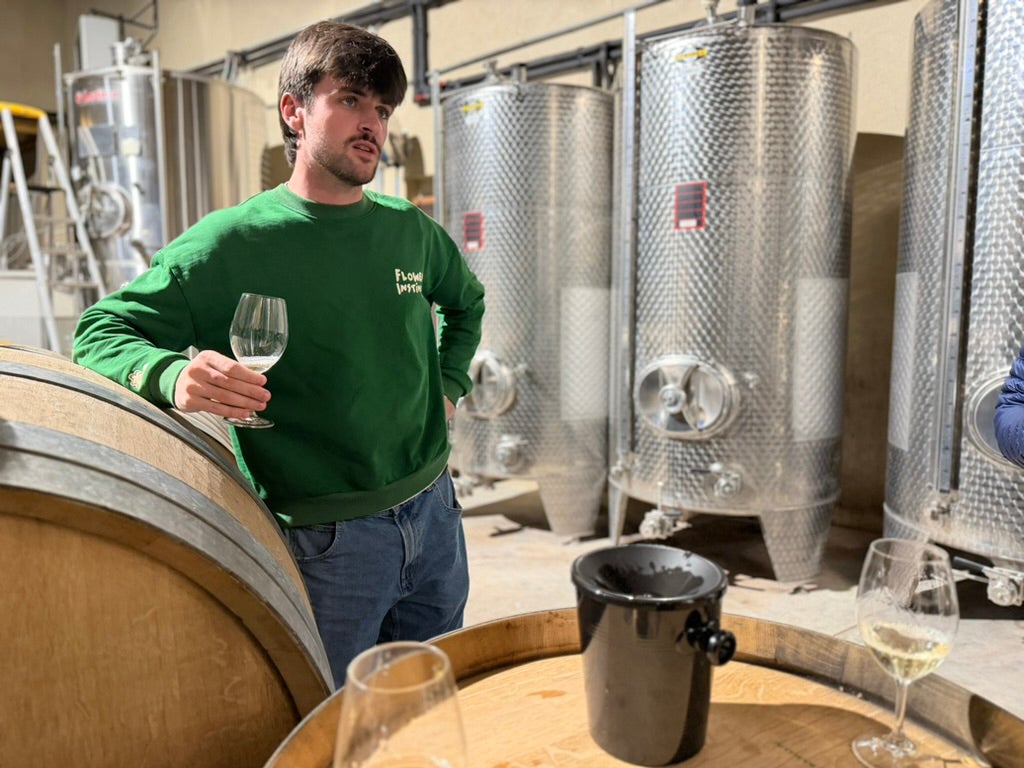
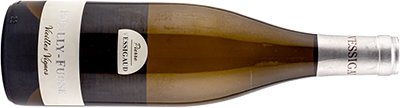
At a time when White Burgundy from the Côte d’Or is both pricier and harder to come by, the Maconnais is a refuge for those seeking top quality wine at a reasonable price. We discovered the Domaine Pierre Vessigaud a few years ago after reading fulsome praise from the Wine Advocate’s William Kelley. This will be our third year importing the wines of Vessigaud, and they continue to show beautifully, both at the regional level and in Pouilly-Fuissé, both village and premier cru. With prices in the low to mid twenties for a Futures order, Vessigaud’s regional wines offer extraordinary value. The Macon Solutre-Pouilly 2024 comes from the hamlet of Pouilly and takes its name from the famous ancient promontory pictured above. It’s raised for twelve months, all in steel. The wine is really nice and smooth, with ripe lemon fruit and just a hint of oak. Like Gautheron’s “Emeraude” this provides an option for delicious steely, very dry Chardonnay from a cool-weather vintage. For a few more dollars, consider the Macon-Fuissé “Les Taches” 2024, which is from clay-limestone soils right next to Vessigaud’s Pouilly-Fuissé “Pierre à Canard.” This is particularly favorable regional terroir, adding sophistication and complexity to the wine. The elevage is all in 500 liter barrels, also for 12 months, followed by six months en cuve. It is really quite elegant, with particularly nice length for its level. This is more like a baby Pouilly-Fuissé, showing more depth and roundness from the barrels, and given the price it’s a remarkable bargain. Both of these wines are far more serious than their prices suggest, and we find ourselves reaching for them regularly. Vessigaud’s Pouilly-Fuissé shows the character that made this appellation so popular. His Pouilly-Fuissé Vieilles Vignes is an assemblage from fifteen parcels found around the appellation. The vines range from 15 to 80 years old. The wine is raised for 12 months in 500 liter demi-muids (just over twice the size of traditional Burgundy barrels, delivering micro-oxygenation and a very light marking of oak), and afterwards for 6 months in tanks. The Vessigauds don’t own a single new barrel, so as usual the oaking here is subtle and very harmonious. This is one of the wines about which William Kelley wrote: “Succulent but serious, any bottle bearing Vessigaud’s name is worth seeking out.” There is good freshness in this vintage, but also ample roundness in the mouth. The wine should knit together well in the coming months and provide pleasure for a number of years. After a couple of decades of debate about where to draw the line between village and premier cru Pouilly Fuissé, the choices are finally formalized. Vessigaud has two of the premier crus, and both are delicious. (We served one alongside a Meursault from a well known producer and it won hands down.) Les Vignes Blanches is the longer lived of the two. It can be a bit closed just after it goes into the bottle, but within a year or so it should begin to drink well and can be expected to do so for a decade. Kelley described an earlier vintage of this wine as “rich but vibrant,” a characteristic that we expect to see in the 2024. We think the rainy vintage will give this cuvée and even longer life than usual – sophisticated and classy white Burgundy. The “Les Reisses” 1er cru is from vines grown on a mix of limestone and brown marl. The marl delivers roundness that makes this wine drink well earlier than Vignes Blanches. The 2024 Les Reisses is lively and clean, with a solid base that should carry it for many years. The nose is faintly reductive with a gorgeous blend of stones and brioche. It’s the friendlier of the two cuvées (for now) and will be right at home on a table that calls for fine white Burgundy.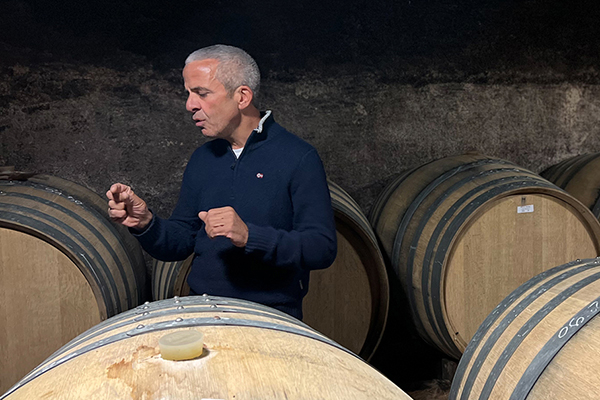
Yann Chave
Hermitage, Northern Rhône
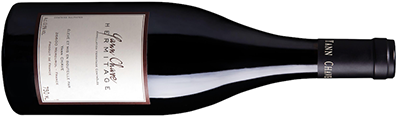
We are longtime fans of the northern Rhône. For us it is a lot like Burgundy: proof of the maxim that the greatest expression of any grape occurs at the northern end of its range. For Pinot Noir, that’s Burgundy, and for Syrah, it’s the northern Rhône. Syrah is an important part of many great wines from warmer places, among them the Southern Rhône, some regions of Spain, and Australia’s Shiraz. But the peak of character, complexity, and ageworthiness happens in the Northern Rhône. If the Northern Rhône had Grand Cru appellations, they would be Côte Rôtie, Hermitage, and Cornas. For many years, we have been able to source fine wine from Côte Rôtie and Cornas, but Hermitage has eluded us. The Domaine Jean Louis Chave is among the iconic names in Hermitage, and its wines are widely sought after. But we are thrilled to have found a first rate producer in another member of the extended Chave family — Yann Chave. His domaine began in 1970, when Yann’s parents made their first purchase of vines and fruit trees (apricots, peaches, and cherries). Yann grew up in this world of polyculture, and the wine grapes mostly went to the local cooperative. In the late 1980s, Yann’s parents bought their first parcel in Hermitage, and in the 1990s, after living for years in Paris, Yann returned home to focus the estate on fine wine. Since then he’s earned an impressive reputation. Jancis Robinson writes of “really artisanal wine with masses of integrity and bags of personality.” The Wine Advocate’s reviewer writes “Chave’s continuing progress makes this one of the most exciting estates in Crozes-Hermitage. We have just gotten our first look at the wines, and we are delighted with what we found. A few years after his return home, Yann identified an old vine parcel in Crozes-Hermitage as worthy of its own cuvée, and began producing Crozes-Hermitage “Le Rouvre.” We were very impressed with the 2023 vintage of Rouvre, finding the extra intensity and length that comes from very old vines. Vinous’s Northern Rhône reviewer awarded this wine 91 points, finding “black pepper and graphite accents, meticulously accompanied by finely tuned blackberry and dried violets.” Loyal adherents of our other Crozes-Hermitage producer, Denis Basset’s Domaine Saint Clair, need not worry that we will abandon Denis. But Yann Chave’s Le Rouvre 2023 merits the higher price it carries, and we think it will age well and continue to please for many years. The Hill of Hermitage has been famous for centuries, and with good reason. John Livingston-Learmonth, author of the definitive Wines of the Northern Rhône, calls it “the king of the Northern Rhône,” producing “the most complete and authoritative of all Rhône wines.” Yann Chave’s Hermitage 2023 is everything we hoped to find: a beautiful floral nose dominated by violets, superb balance across the palate, plenty of concentration without heaviness, and a long, lingering finish. We’re not the only ones to be impressed. Vinous scored it a 94, finding “early notes of alluring orange rind, crushed violets, white pepper, raspberry compote and softly suggested cedar.” They found the wine “bursting with aromatic complexity and masterful refinement.” We will definitely be adding this wine to our personal cellars, and we invite you to join us.
Christophe Mestre
Chateauneuf-du-Pape, Southern Rhône
Together with his son Remi, Christophe Mestre continues to make delicious, old-school Châteauneuf-du-Pape year in and year out. We have trouble keeping this wine in stock – it hits the perfect sweet spot for value, accessibility, food matching and crowd-pleasing popularity. At (somehow) still sub-$30/bot via Futures, it has to be among the best value wines we import. The 2023 was extremely popular (we’re nearly out) and the Mestres still have some in stock, so we’re re-offering. Lots of Chateauneuf-du-Pape is built for the long haul, and somewhat inaccessible young – not Mestre’s. It’s middleweight and delicious with gorgeous young fruit and friendly tannins. It ages for 5-8 years with ease, but drinks well from the moment it is in the bottle. The 2023 Châteauneuf-du-Pape is terrific – 50% grenache, 25% mourvèdre, 20% syrah, and 5% cinsault. The nose is focused and beautiful, with lovely deep sappy fruit bursting from the glass. Grenache makes up only half this wine, but it’s the star of the show this year – luxurious red fruit of wild cherries, raspberries and hints of provencal thyme combine to make an explosive and seductive palate. The southern provencal warmth shines through the vibrant palate, which bursts with fresh fruit, tannin and delicate acidity.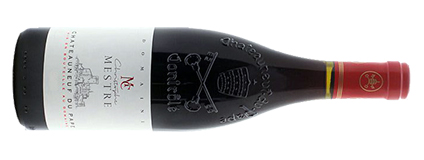
Domaine de la Garenne
Sancerre, Loire Valley
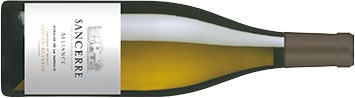
Sancerre’s popularity is well deserved. It’s crisp, refreshing and dry — as easy to pronounce as it is to pair with food. Is it the world’s most complex or long lived wine? Nope. But a good everyday Sancerre is an essential kitchen staple, as useful as a sharp chef’s knife. We love our producer in Sancerre — the Godon-Reverdy family is one of the town’s best known, and produces organic Sauvignon blanc of the highest character from their Domaine de la Garenne. They’re thoughtful and focused, using biodynamic techniques in the cellar and sheep to graze the grass between their vines. And their product is every bit as good as you’d expect from a careful family domaine. Their simplest cuvée is called “Alliance,” a blend of three terroirs (clay, limestone and flint). This is everything you want from Sancerre – splashes of perfectly ripe fruit (grapefruit, pear, lime) over a chiseled mineral core bursting with chalk and stones. It’s a weeknight staple at our house, and makes a perfect sub-$25 by the glass house white. Next on the list is Bouffants, which is a step up in length and complexity. The 2024 Bouffants, from a cool vintage, is particularly dry and stony, with terrific steely minerality alongside dried pear and white flowers. Made from a plot of vines that share the hillside with the famous “Mont Damnées” terroir, this is a clear step up in pedigree. At 13% this is dainty and crisp, with more detail and class than the Alliance; an exceptional value under $30. Garenne’s “Villaudes” cuvée is a detour of sorts from the other cuvées. The winemakers raise this cuvée in a large trapezoid-shaped vat designed to limit lees circulation and perform slow microoxygenation. The time in the foudre tronconique gives the wine a bit more weight and roundness, and the lees add some notes of spice. Then the wine is given six months in stainless steel before bottling. There’s plenty of acid amid the softened fruit, and the wine is dynamic and delicious. This is an excellent cuvée for a richer dish, think creamy pasta or fish in a beurre blanc. Finally there’s Garenne’s “Silex” cuvée, named for the abundant flint found in the soils of its vines. Like the Villaudes, this wine also gets a full year of elevage, which adds volume and gives the wine some richness – but without notes from the lees or wood. Flint adds the signature “gunflint aroma” (imagine the sparks from spinning the wheel of a lighter), and this cuvée’s blend of aromas and steely roundness makes it the preferred choice for many of our customers. The 2023 is terrific and they still have it in stock so we’re offering it again. The nose is dry and stony with notes of grapeskin and oyster shell. The mouth is electric and delicious, chiseled and refined with notes of saline and lemon zest.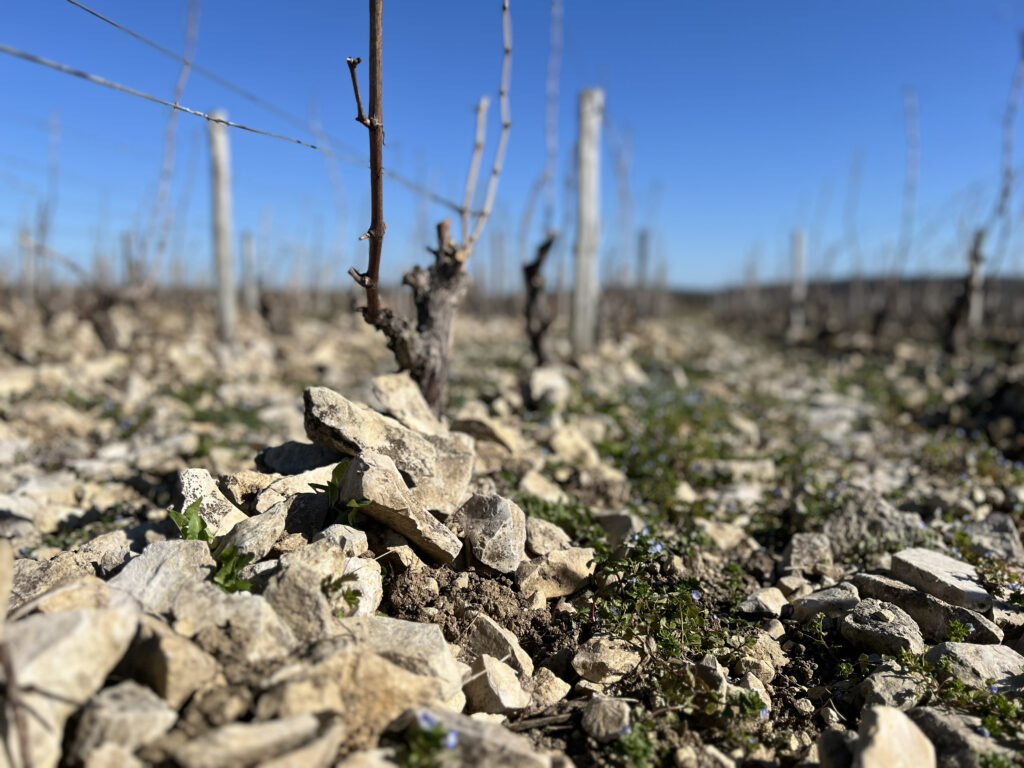
Charles Frey
Dambach-la-Ville, Alsace
The Alsace is not only among France’s most beautiful vineyard areas, it’s an unparalleled source of value. The Maison Charles Frey (successor to the Domaine Mersiol) makes delicious organic wines that are perfect summer sippers: bone dry, 12% alcohol, crisp and refreshing. We love having these at the ready all summer, whether for a cool glass after work on a weeknight, or something different to bring to a neighborhood barbecue. Frey’s Pinot Blanc “Eclectic” has long been a reader favorite. This wine is predominantly from Pinot Auxerrois, a little known variant of Pinot Blanc, and may be labeled with either name. (The Domaine Mersiol bottled this wine under the name “Auxerrois”.) It offers ripe orchard fruit with a touch of grapeskin and occasional exotic notes. There’s enough body to make it attractive all by itself, as an aperitif alongside a salty snack; but it’s also light enough to be an attractive partner to a dinner salad at the end of an August day, whether on a roof deck, patio, or at an outdoor picnic. Riesling grown in granite is one of the world’s noblest grape-soil marriages, and Frey’s Riesling “Granite” is aptly named. The wine is bone-dry, brisk and stony, with just hints of petrol over a core of lean yellow fruit. Pair it with anything that particularly matches unoaked wine, from sushi or sashimi to oysters on the half shell to fresh goat cheese. It’s lightweight, crisp, and full of life.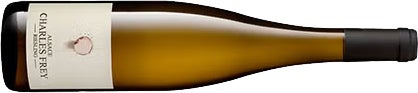
2025 Rosés
Loire, Rhône, Chianti
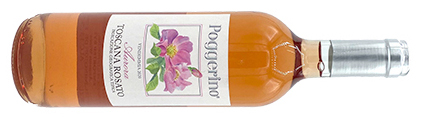
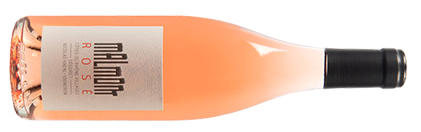
Rosé season approaches! We have our usual three on offer again this year. They cover three regions – Italy, and the Loire and Rhône Valleys – and are all three fresh, low alcohol, and under $20/bot. We expect them in May in time to ship out for summer enjoyment. First, Domaine des Sanzay’s 2025 Saumur Rosé is pure Cabernet Franc from the central Loire Valley. This popular cuvée is as good as ever, with a fresh strawberry nose and crisp, dry mouthfeel. It’s a perfect wine for hot summer afternoons, whether pool, patio or picnic. Serve with nothing at all, or with goat cheese on crackers. Next up, Poggerino’s 2025 Rosato – a pure sangiovese rosé with excellent definition. It offers lively freshness, attractive fruit and just the right weight. The nose is drier than the Sanzay, with stony freshness and dried rose petal notes. Serve with a caprese salad or grilled vegetables dressed in good olive oil. Finally, Malmont’s 2025 Séguret Rosé. This year it’s 85% grenache and 15% syrah, and as with all of Nicolas Hanei’s wines, impeccably balanced. Rosé from the Rhône Valley is always among our favorites, where savory notes of the rugged southern grapes blend beautifully with fruit and aromatics. The 2025 is smooth and fresh, and has a gorgeous nose of wild cherries and melon. The mouth is clean and crisp with a faint note of grapeskin and a burst of stony freshness. Serve with chicken or summer vegetables on the grill.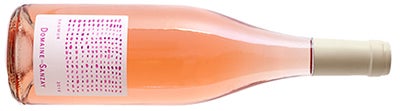
them
Summertime Reds
Beaujolais
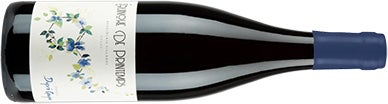
On a hot summer day our choice of wine is usually white (Chablis/Muscadet) or rosé (see above). But sometimes the moment or meal calls for a red, and we like to be well prepared. Reds served cool have had a turn in the spotlight in recent years, and we delight in their rediscovered popularity. But it has to be the right red – a chilled Gevrey-Chambertin or St-Emilion is mostly going to give tannin and acid. This year on our trip we found two irresistible low-alcohol reds that are perfect for summer, both from the Beaujoalis. Much of our Beaujolais portfolio has gotten more serious (and way more impressive) in recent years – Dupré-Goujon and Fred Berne are making gamays as impressive many pinots from the north (see July Futures). But these two cuvées are fresh, uncomplicated and simply delicious. The first is a familiar name from earlier in this brochure – Pierre Vessigaud. You already know how exceptional we find Vessigaud’s white Burgundies, but it turns out their lone red – a cru Beaujolais – is just as tasty. It’s from St-Amour, the northernmost Beaujolais Cru that lies at the border between the Maconnais and Beaujolais. The nose is crisp, fruit forward, and very clean – look for notes of redcurrant and honeysuckle. The mouth is mid/low tannin, with delicate acidity and a clean fresh finish. It’s dying to be paired with a burger off the grill or a summer corn salad. Dupré-Goujon’s Côte de Brouilly “Equinox de Printemps” is similarly an utterly pleasant wine. Winemakers Guillaume Goujon and Seb Dupré extract their primary cuvées for longer, and then give them an unprecedented two years of elevage before bottling. But for Equinoxe, their goal is a simpler wine that’s readier to drink early – less extraction, less elevage, just delightful gamay fruit. Grown on granite and sandy soils, this is exuberant wine, with lovely low tannins and perfectly judged acidity. The nose shows raspberries and violets, the mouth is crunchy and flat out delicious. Serve a bit cool on a sunny backyard patio.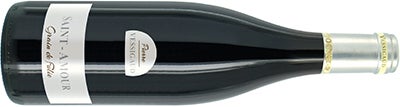
SUMMER REDS Vessigaud St-Amour 2024: $235
(case prices)
Dupré-Goujon Côte de Brouilly “Equinox” 2024: $250
_____________________________ We expect these wines in May 2026 If you have any trouble submitting the new order form, you can always email us your order. Or give us a call with questions: 617-249-3657, or tom@ansoniawines.com The deadline to place orders for this issue is: SUNDAY, APRIL 19. Questions? Need advice? Call us: (617) 249-3657. OPTIONS FOR GETTING YOUR ORDERS Pick-up near Philadelphia. We’re pleased to restart our PA pickup option. Wines ordered for PA pickup will be available December, depending on temperatures. Email us for more details. Shipping elsewhere. In most states we can arrange for shipping at an additional cost that varies by location ($4.50 per bottle to the addresses west of Chicago; $3.50 per bottle east of Chicago). If shipping interests you, let us know the state and we will figure out if it can be done.
Pick-up in Massachusetts. We store our inventory at our new warehouse in Newton: 12 Hawthorn St, Newton MA 02458. Futures customers can pick up their orders here during Saturday open hours, or by appointment.