Weather has always played an important role in the character of a vintage, but more often than not these days it’s the loudest voice on the stage. The heatwave that swept across France last week will almost certainly leave its mark on the 2026 vintage, and many vignerons were already predicting another “earliest-ever” harvest even before temperatures soared. Winemakers have adapted remarkably well to this new normal of heat and drought through techniques like canopy management, later pruning, cover crops, and a renewed focus on older vines with deeper root systems. The results have been really impressive. Despite increasingly difficult growing conditions, France’s best growers continue to produce wines that speak clearly of place rather than climate. It’s demanding work, requiring constant adaptation and a serious dose of optimism – we’re glad to work with growers who continue to meet that challenge year after year. Our July Futures Issue comes out amid warm weather on both sides of the Atlantic, but its wines will arrive in the fall, once the weather (we hope) has cooled a bit. We feature six producers from Burgundy. In the Côte d’Or there’s Justine Clerget’s terrific 2023 reds from the Côte de Nuits; and Sofie Bohrmann’s Meursault, St-Aubin, and Puligny whites from the outstanding 2024 vintage. Elsewhere in Burgundy we find crisp, dry 2024 Chablis from Romain Collet; and bold, rich, modern reds from Nicolas Ragot in Givry. And finally our annual visit to our two terrific Beaujolais sources – Fred Berne and Dupré-Goujon – whose 2023 and 2024 Gamays are serious and beautiful, but still remain bargains. Outside Burgundy we cover a lot of ground: Domaine Pierre André in Châteauneuf-du-Pape for magnificent, ethereal Southern red blend; Domaine du Tunnel for powerful, delicious Cornas; Frederic Michot in Pouilly-Fumé for laser-focused extremely well-priced Sauvignon Blanc; and terrific small-batch grower Champagne from Lancelot-Royer in the Côtes des Blancs. And last, we’re excited to introduce a new artisan cider source from Normandy, Cyprien Liruex, whose gorgeous sparkling ciders and perrys will arrive for enjoyment all fall. To place an order, click the Order Form link below, and submit an order by our deadline of July 12. We’ll place orders directly after, and we expect the wines to arrive in September/October. JUMP TO SECTION
Clerget
Bohrmann
Collet
Ragot
Beaujolais
André
Tunnel
Michot
Lancelot
Lireux
July Futures
Order Deadline: 7/19
Domaine Christian Clerget
Vougeot, Burgundy
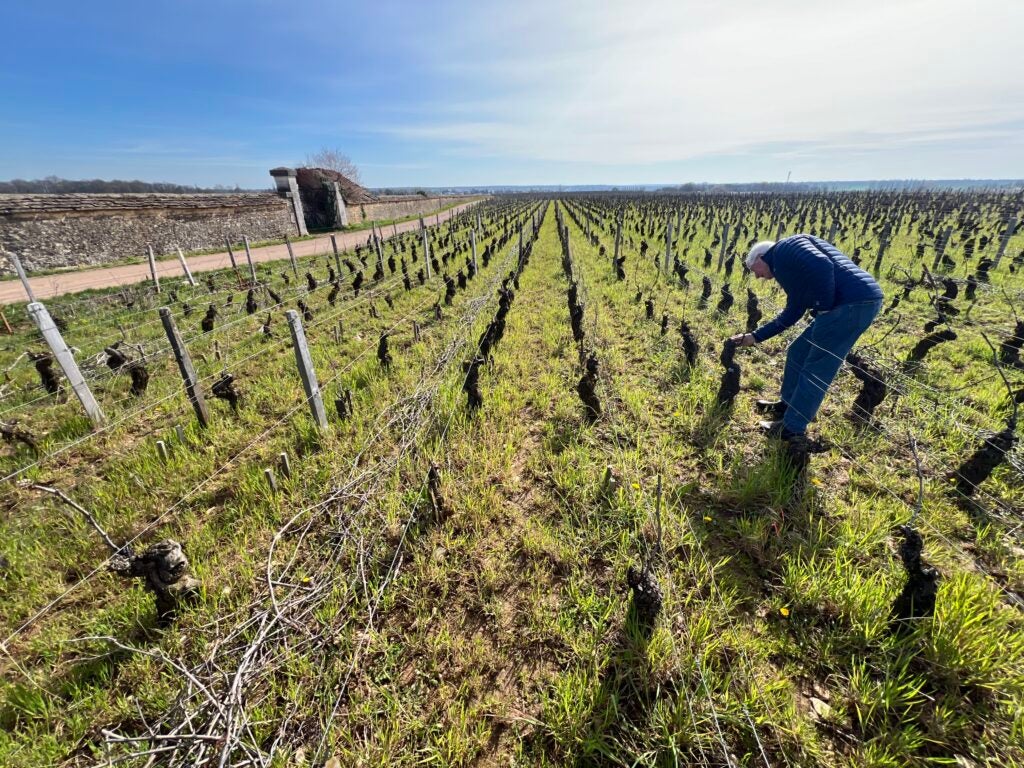
Most domaines cut us way back on quantities for their 2024 vintage, but none as much as Justine Clerget. “Nothing,” she told us sadly, describing what she could offer us for the vintage. She sadly pointed at a quarter barrel in one corner of her cellar, explaining that was the entire crop of one of her cuvées – all of 75 bottles. Chambolle, where Justine tends a majority of her vines, received a particularly tough dose of frost and mildew in 2024. Of course the long journey from harvest to bottling means that we’ve had some notice of this gap, and the Clergets suggested that we spread our 2022 and 2023 allocations across three years. So this issue includes the third look at two stellar vintages. As many readers will know, we resumed working with the Domaine Clerget a few years ago, not long after the return of winemaker Justine Clerget. Justine has shown herself to be a remarkable talent in the last few years, and this tiny gem of domaine in Vougeot is still a largely undiscovered source. She has introduced organic viticulture, refined extraction, and has leaned into stem use. The resulting wines are classy and modern, but with an old school Burgundian soul. They also compare extremely well on price with their neighbors. First, Clerget’s Bourgogne Rouge 2022 – grown from 40+ year old vines in the communes of Vougeot and Vosne, this is punchy, delicious red Burgundy with the signature Clerget elegance. There’s remarkable intensity of fruit – particularly for a wine of its level – with notes of raspberry jam and a touch of earth. Burghound named it a “top value” Bourgogne, calling it “delicious” and “velvet-textured.” Jasper Morris writes: “the fruit is attractive and quite succulent… all in balance.” This is everything you want in a Bourgogne rouge, and nothing you don’t. Justine has offered us two village-level Chambolle cuvées this year. The first is familiar – Chambolle-Musigny 2023, a blend of nine different plots along the Route Nationale. This is always delicious, and 2023 is no exception. The hot, dry vintage gave ample ripeness, but there’s real lift to the wine, with notes of plum, red cherries, and earth. The second is a single vineyard Chambolle Musigny from “Aux Croix,” a plot that Justine tells us gives deeper, richer fruit. She includes more stems here, and the result is a more muscly wine that never loses the village’s signature silky class. Look for notes of plum and warm earth. Think of it as Chambolle borrowing its brother Gevrey-Chambertin’s jacket. Burghound called it “outstanding… lovely and worth considering.” Clerget’s lone plot in Vosne-Romanée is a gem. From village level vines planted in 1945 just outside the wall of the Clos de Vougeot (pictured above), “Les Violettes” is wine with unmistakable pedigree. The nose is floral and refined in a way only Vosne can deliver; the mouth is fine grained and rich, but with Justine’s signature clear, concentrated core. Violets, as the name suggests, are abundant. Jasper Morris writes (as only a Brit can) “delicious fruit here, raspberries lightly rinsed in cream.” About 80% of the vines in the town of Vougeot are part of the enormous Clos Vougeot Grand Cru, but the other 20% covers some exceptional premier crus, including “Petits Vougeots,” which borders both Clos Vougeot and Le Musigny over the border. The Clergets’ plot here produces impressive wines, bolder than the Chambolles and approaching the concentration of the nearby Grand Cru. Broad, sturdy and delicious, this is not a wine you’ll soon forget. The 60 year old vines contribute exceptional richness, which Justine steers into a powerful but refined package with notes of cassis, violets, and plums. Burghound again found it “outstanding” and “beautifully textured,” concluding “This lilting effort is pretty much textbook Petits Vougeots.” Finally, Echezaux, the legendary Grand Cru. Sometimes Grand Crus don’t live up to the hype, particularly when tasting from barrel – this is not one of those times. Justine’s 2023 Echezeaux is magnificent – a soaring wine of depth, breadth and precision. The nose shows spice, dried flowers, and inky black fruit; the mouth is clean, compact, and extremely long. Burghound found it “at once seductive and powerful,” with a “firm, balanced, and impressively long finale.” He concludes “worth considering as this is quite good.” We won’t be so bold as to call a $199 bottle a steal – but given its competition (Mongeard-Mugneret: $500; Dujac: $750; Tremblay: $1700; DRC: $2900), it provides real value.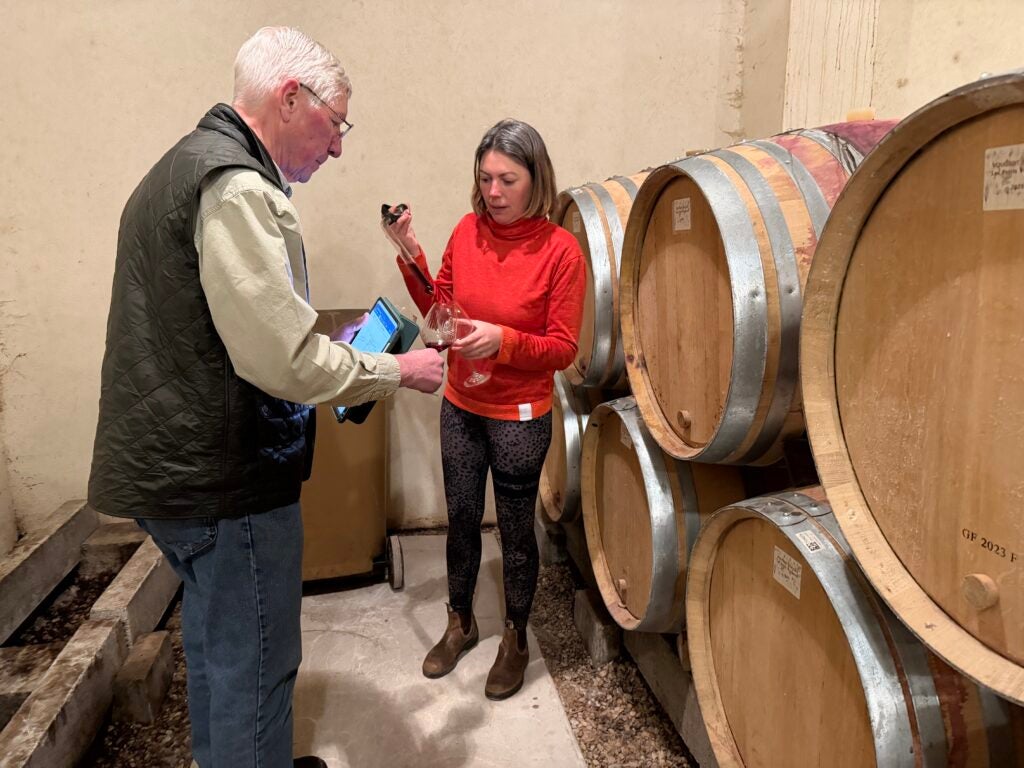
CLERGET
Bourgogne 2022
$495
$41.25
Chambolle-Musigny 2023
$895
$74.58
Chambolle-Musigny “Aux Crois” 2023
$950
$79.17
Vosne-Romanée “Les Violettes” 2023 *
$1,195
$99.58
Vougeot 1er Cru “Les Petits Vougeots” 2023 *
$1,295
$107.92
Échezeaux Grand Cru 2023 *
$2,395
$199.58
Domaine Bohrmann
Meursault, Burgundy
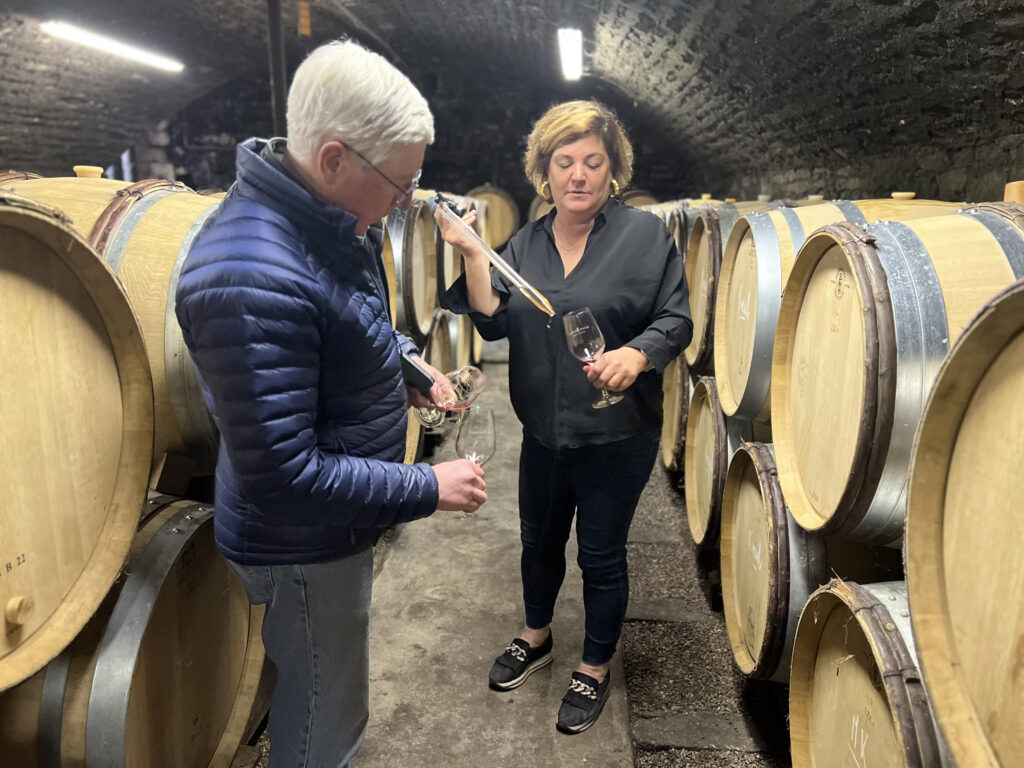
Sofie Bohrmann produced excellent wines in 2024. Despite weather that left vignerons struggling up and down the Côte d’Or, her wines are beautiful, capturing the freshness of the vintage but also the exceptional terroir from which they are made. Part of the credit goes to Sofie and her father, who over a generation assembled an impressive collection of parcels on some of Burgundy’s finest slopes — quite a feat for a family from Belgium whose surname doesn’t sound a bit French. Another part of the praise belongs to Dmitri Blanc, Sofie’s winemaker of twenty years, who once confided to us that he, too, lacks local roots — he’s from the Maconnais. Whatever this team’s provenance, they seem to manage each year to express the best of the vintage. The Bourgogne blanc “Belles Gouttes” is, as always, an excellent value. There’s more tension on the palate than usual, which means that the wine will hit its peak drinking window a bit later; but the freshness should also carry the wine longer, providing very nice glasses over many years. The wine has plenty of material and really good length, and as it matures it will continue to show well. In St. Aubin, the premier cru “En Remilly” is really impressive in 2024. “En Remilly” is generally regarded as one of the two best premier crus in the village, and the pedigree shows in this vintage. The balance is excellent, with muted acidity and a very pleasant mouthfeel already. The length is what you’d expect from this vineyard, yet we expect this wine to drink well young. Look for notes of white flowers, lemon peel, and a delicate line of stones. The Meursault “Clos du Cromin” 2024 carries a village rank, but in many ways it resembles a premier cru. It’s next to the town at the same elevation on the slope as its neighbors Santenots and Les Cras, and there is plenty of material in it. The concentration may come from an extra dollop of clay in its soils or from the age of the vines in Sofie’s plot, some of which are ninety years old; but whatever the reason it’s an obviously classy wine. The nose is particularly nice, with just a touch of oak. All of the elements work together to produce a superb glass. The marriage of Meursault richness with 2024 freshness makes for a dynamic and flat-out delicious white Burgundy. In Puligny-Montrachet, Sofie’s “Grands Champs” 2024 is another village wine that offers a good impression of a premier cru. The nose is lovely, with a fine integration of oak and fruit. The mouth is ample, with concentration and length that promises a long and impressive life. Though there’s plenty of freshness, we think this wine may not require as much waiting as many of Puligny’s other great wines. All the usual Puligny suspects – flower petals, stones, saline, angular beauty – are here. Bohrmann’s Puligny-Montrachet premier cru “La Garenne” 2024 is much like its peers at this level. In its early youth, it’s less exuberant than it will become with some time in the bottle. All the elements are there: concentration, freshness, balance in the nose and on the palate, and considerable length on the finish. The magic of Puligny happens as these diverse features melt together and complement each other subtly. There’s no doubt that this wine will have a long life and a beautiful maturity – in two or three years this will be stunning. Sofie’s whites are always the standouts, but the reds have their own charm, offering beautifully preserved fruit with subtle oak complements. Her Bourgogne rouge “Entrecoeur” comes from vines just below Pommard, some twenty years old, some younger. There is a lovely Pinot nose of dark fruit and a touch of oak. In the mouth there is good intensity and a certain sweetness. This wine should drink well from the time it arrives. Sofie called it “picnic wine.” Our other suggestion in red this year is a rare red St. Aubin premier cru called “Derriere Chez Edouard.” Edouard passed through the world in a different century, but the vineyard behind his residence preserves his memory. There is cool ripe fruit, not quite dark but not red either, a sort of mix of blueberries and blackcurrants. It’s surprisingly expressive aromatically for its age, and on the palate a pleasant earthiness joins the fruit. The oak is present but muted, and we expect this wine to age very well. 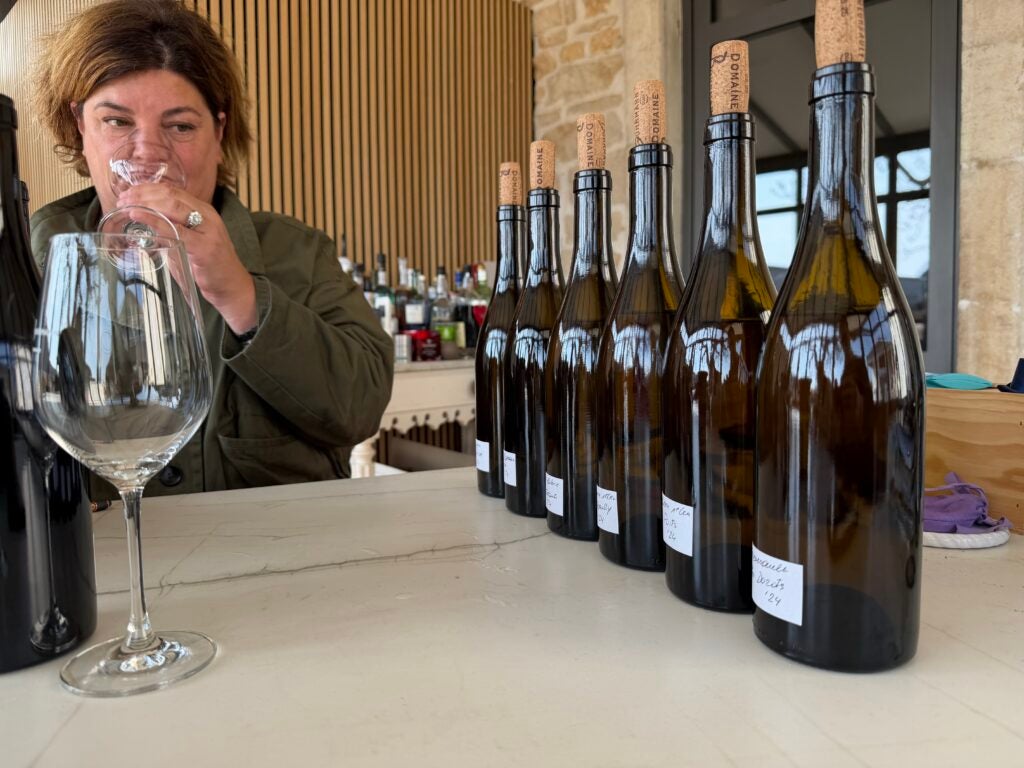
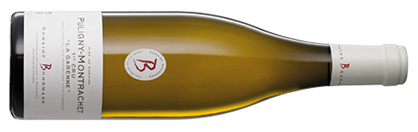
BOHRMANN
Bourgogne Côte d’Or Blanc 2024
$350
$29.17
St-Aubin 1er Cru “En Remilly” 2024
$695
$57.92
Meursault “Clos du Cromin” 2024
$850
$70.83
Puligny-Montrachet “Grands Champs” 2024
$995
$82.92
Puligny-Montrachet 1er Cru “La Garenne” 2024 *
$1,195
$99.58
Bourgogne Rouge “Entrecoeur” 2024
$395
$32.92
St-Aubin Rouge “Derrière Chez Édouard” 2024
$795
$66.25
Domaine Jean Collet
Chablis, Burgundy
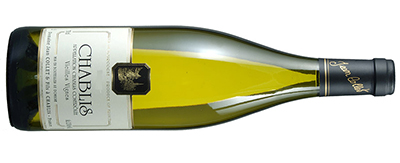
“It’s going to be a quicker tasting than usual,” Romain Collet chuckled as he welcomed us into his tasting room this spring. As with most addresses in Burgundy, 2024 was not an easy one at the Domaine Collet. The weather gods were particularly tough on Chablis, and Romain lost two cuvées (Forêts and Butteaux) entirely, amid losses everywhere. But the surviving wine is delicious, and we’re pleased to offer four cuvées spanning Collet’s extensive range. As usual, these are terrific values – Chablis is hardly unknown these days as a source of well-priced Chardonnay, but it retains its claim on the best bang for your buck in white Burgundy. First the village level old-vine cuvée. Made from vines planted in 1932, the Chablis Vieilles Vignes is unusually dense for a village-level wine. The nose is deep and faintly reductive with pleasant bitter notes of grapeskin and salt air. The mouth is dry and clean with a dollop of fruit laid over the stony core. It’s a useful wine, perfect for a weeknight glass – to pair with anything or nothing. Collet’s Chablis 1er Cru “Vaillons” has always been a reader favorite and it’s easy to see why. Romain raises this left bank cuvée in three different vessels, one third each: stainless steel tank, barrel, and huge foudre. There’s no hint of oak, but the three methods blended together round the wine beautifully into a complex cuvée with a very long finish. It has a bit more weight than classical Chablis, but avoids being flat or overly tropical. Burghound found “citrus and apple” with “voluminous middle weight flavors that flash a subtle bead of minerality.” Over on the right bank, just east of Montée de Tonnerre, Romain’s Chablis 1er cru “Mont de Milieu” was particularly good this year. It’s raised in demi-muids (600L barrels, about twice the size of a normal Burgundy barrel) that add a bit of weight but hardly any wood flavor. The nose is outstanding: deep, stony and floral; the mouth showed a mouthwatering stoniness with terrific tension and zip. There are lots of elements here – a serious pedigree from the vineyard plot, a stony cool vintage, a dose of weight from the elevage – all working beautifully together. It’s a mouthful, in the best sense of the word. Jasper Morris gave 90-92, finding a “classy bouquet” with “salinity alongside a broader based white orchard fruit,” concluding “very classy.” Finally Collet’s Grand Cru Valmur in 2024 is just that – every bit a Grand Cru. Romain uses 10% new oak for this cuvée, and the rest in older barrels. The wine has more than enough weight to handle the dose of wood, and the combination is powerful and irresistible. The nose shows a gorgeous bitter lemon, with notes of pear and stones. The mouth is long and rich, with a bit of acid splashing in at the end. Burghound found “both fine richness and a taut muscularity” with a “caressing texture” and a “powerful, dry, and impressively long finish.” Not a subtle wine, but not one you’ll quickly forget.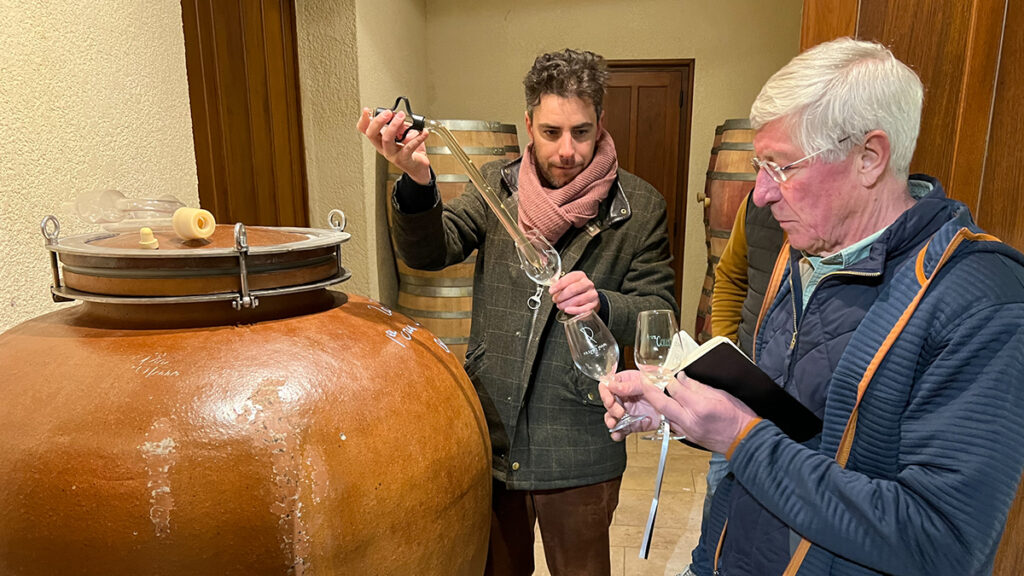
COLLET
Chablis Vieilles Vignes 2024
$295
$24.58
Chablis 1er Cru “Vaillons” 2024
$425
$35.42
Chablis 1er Cru “Mont de Milieu” 2024
$450
$37.50
Chablis Grand Cru Valmur 2024
$795
$66.25
Nicolas Ragot
Givry, Burgundy
The Côte Chalonnaise continues to be an unmatched source for value in red Burgundy. The recent trend of hot and dry vintages has been a boon to this region once on the margins of ripeness. Our main source here, Gautier Desvignes, continues to produce superlative wine that we consider as classy and refined as much much from the Côte de Nuits. A few years ago we added Nicolas Ragot, another young winemaker with an enviable collection of vines and a serious winemaking operation. Ragot’s style is bolder and more rugged than Desvignes – pinot noirs with real presence and intensity. They may not be as refined, but they’re just as fun. We have two premier crus Givrys to suggest from Ragot this year. The first is from Givry 1er cru Grand Pretans, a large vineyard near the center of town. Nicolas destemmed everything for this cuvée, deeming the fruit complex and sturdy enough without stems. The resulting wine is woodsy and dark with an extroverted nose of licorice, plum and wood. There’s plenty of oak here, which we expect to melt into the fruit over the next year or two. Picture a young Nuits-St-Georges or Marsannay. Second is Ragot’s Givry 1er “Clos Jus,” from the best known vineyard in Givry. This is huge, powerful wine with excellent density and a dense, juicy core. Nicolas raises this 10% in amphora, which adds a sheen of patina over the explosive dark fruit. The bold wine already handles its wood well, but in another year or two when the tannins have settled and the wood has fully integrated, this will be a dead ringer for a village Gevrey-Chambertin. Finally, Ragot’s white Givry “Pur T” has grabbed our attention in the past, but this year it was just too good to skip. Ragot raises the entire cuvée in amphora (no oak), and he’s hit on something special with the recipe. The nose is full of classy yellow fruit, with a touch of white flower and spices like licorice and white pepper. The mouth is round and generous but finely channeled and shot through with terrific acidity. As with many 2024 white Burgundies, the balance is exceptional.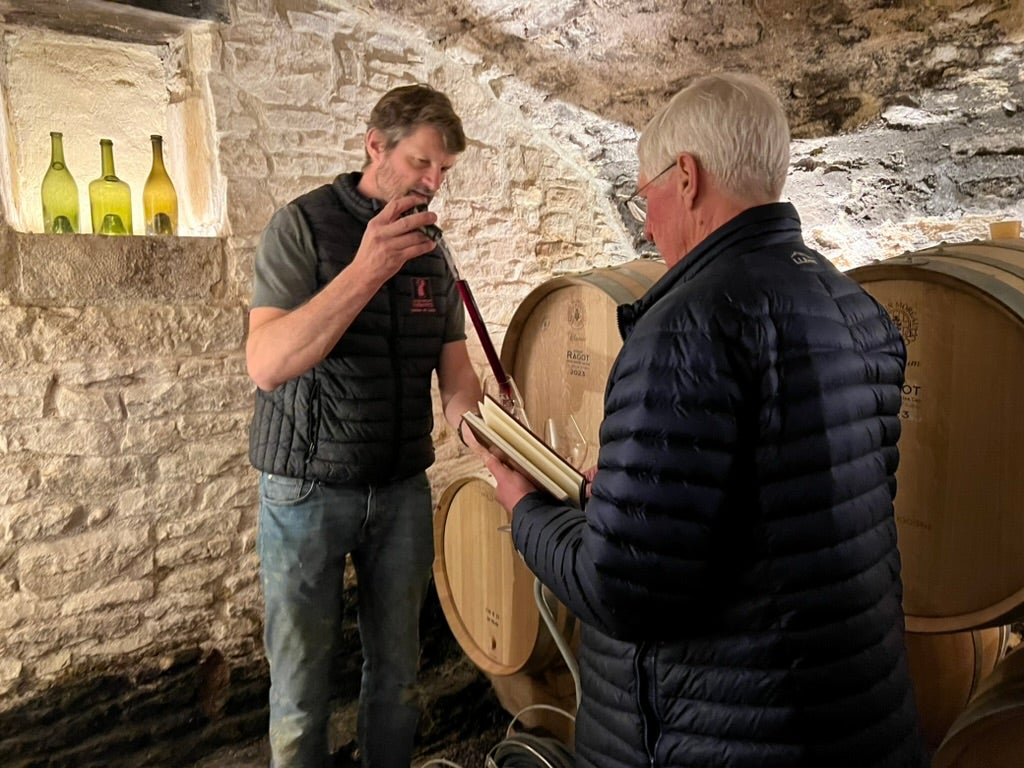
RAGOT
Givry 1er Cru “Grands Prétans” 2024
$495
$41.25
Givry 1er Cru “Clos Jus” 2024
$495
$41.25
Givry Blanc “Pur T” 2024
$450
$37.50
Dupré-Goujon & Frederic Berne
Côte de Brouilly / Lantigné, Beaujolais
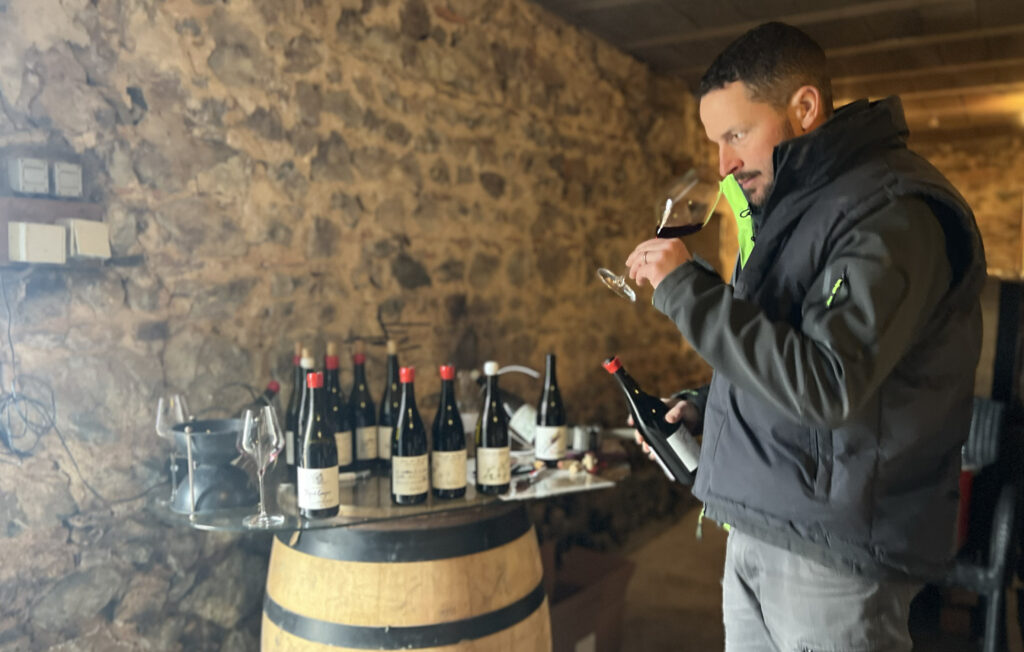
We’ve said this before, but the Beaujolais is one of the most exciting places to buy wine these days. Young producers with a natural, organic, and/or biodynamic bent are producing absolutely delicious wine from Gamay, for drinking right away and for keeping. In recent years we’ve found two producers who showcase the best of this trend, and once again we have exciting wines from them to suggest. Frederic Berne from Lantignié makes delicious, eminently drinkable wine. He has almost singlehandedly brought the Lantignié appellation to the brink of cru status, and the care he takes with his land and vines shows through in every glass. We offered our first suggestion — Beaujolais Lantignié “Pierre Bleue” 2023 — just after it was bottled, and it promptly sold out. There was still a little left when we visited in March, and we found it even better than it was the first time. There is plenty of expressive ripe fruit in the nose and just enough structure through the mid-palate to make the wine interesting. The blue granite soils add mineral notes to a very refreshing glass. At less than $20 per bottle for a Futures purchase, it’s a wine to drink early and often. Berne’s cru Beaujolais Morgon 2024 is more serious: smoother, richer, and showing greater length across the palate. The nose shows granite and honeyed sweet red fruit; the mouth is crackling and pretty but with good intensity and a clean, pleasing finish. With more going on at every point, it’s a wine to contemplate over, say, a grilled filet of salmon. Just 20 minutes to the south in Brouilly, Sebastien Dupré and Guillaume Goujon are making remarkably ageworthy wines with extended élevage in vats and large oak barrels. Their just-released 2023s are terrific across the board. The Côte de Brouilly Cuvée “6-3-1” is a blend from their three Brouilly lieux dits. It is fleshy and ripe, with plenty of dark fruit and a smooth, fine-grained mouthfeel. The expression recalls a Pinot Noir from further north, and the wine is a suitable accompaniment to a wide range of sophisticated dishes. The Dupré-Goujon single-parcel cuvées are exceptional in 2023 — worthy successors to the superb 2022s; and it is now obvious why William Kelley called this “an estate to watch.” Their Côte de Brouilly “Pavé” has a musical scale on the label, and it is an apt descriptor. There is an elegant flow to this wine across the palate, with floral violet notes joining the ripe raspberry fruit and spice. It’s a bit fleshier than the 6-3-1, with a longer intensity and a bit more finesse. The Côte de Brouilly “Héronde” is deeper and richer. Pavé’s musical label featured the treble clef; its character is what the French call “âerien,” roughly “airy.” If Héronde’s label bore a musical notation, it would include a bass clef. There is darker fruit in this cuvée, and the wine fills the mouth in a way that is rarely found in the Beaujolais. We’re looking forward to watching both of these wines evolve in the coming years. Dupré Goujon’s lone white is a real gem, and always sells out quickly after it arrives. Raised half in tank and half in wood, the Clos des Muriers 2023 has beautiful balance: just a touch of oak, good freshness and an attractive weight. James Suckling’s reviewer effuses: “Not only is this the first great chardonnay from Beaujolais we’ve encountered, but it is also an incredibly joyful expression of the grape, brimming with stone-fruit, lemon-curd and white-flower aromas. The super-elegant, medium-bodied palate has breathtaking purity and precision. Great energy in the very long, chalky finish.”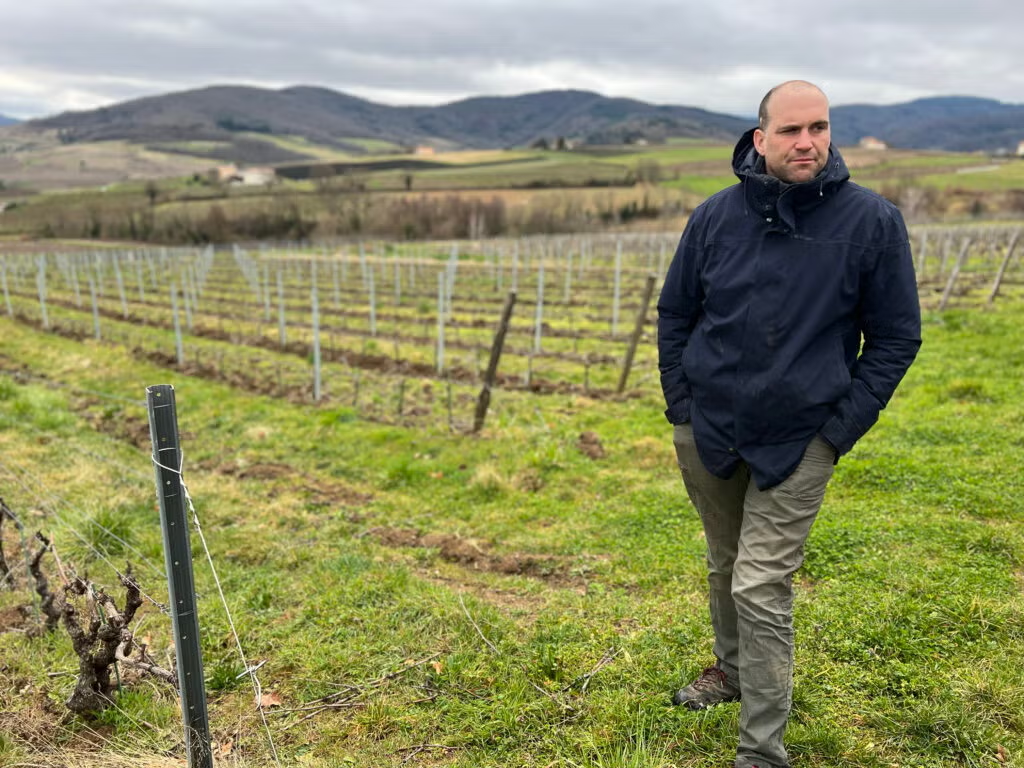
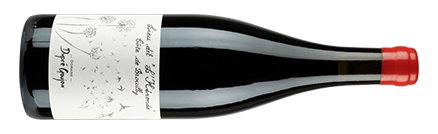
BERNE / DUPRÉ-GOUJON
Berne Lantigné “Pierre Bleu” 2023
$235
$19.58
Berne Morgon 2024
$295
$24.58
Dupré-Goujon Côte de Brouilly “631” 2023
$295
$24.58
Dupré-Goujon Côte de Brouilly “Pavé” 2023
$350
$29.17
Dupré-Goujon Côte de Brouilly “Héronde” 2023
$350
$29.17
Dupré-Goujon Beaujolais Blanc “Mûriers” 2023
$295
$24.58
Domaine Pierre André
Châteauneuf-du-Pape, Southern Rhône
Following Jaqueline André’s unexpected passing two years ago, the domaine has been in understandable flux. They’ve found a local buyer who will continue to operate under the same name, and we cross our fingers for a continuation of Jacqueline’s magical touch. As writer Jon Bonné put it in his seminal The New French Wine, “André has quietly been upholding the extraordinary quality of her family’s domaine in a manner that legitimately earns the word artisan.” Bonné writes “the wines, too, are all about old-fashioned subtlety: whole clusters, light extraction from pump-overs, mostly concrete vats for aging, and always at least 80% grenache.” André’s is the only Châteauneuf-du-Pape you could almost mistake for a Burgundy. Layers of subtlety, soaring red fruited aromatics, perfectly balanced mouthfeels – all wrapped up into a package of precision and poise. If you’ve had this wine, you get it – if not, we have yet to meet someone who didn’t become a convert. Andrés 2023 Châteauneuf-du-Pape is exceptional, clean and beautiful – a small vintage produced a concentrated, serious wine that’s no less welcoming than usual. The nose shows spice, raspberry, fig and licorice; the mouth is dense and sturdy but with extraordinary vibrancy and life. Serve in the biggest glass you have, and be sure to sit with it for a while. Given space and time, this wine transcends the genre. The 2024 white wine is excellent as well. White Chateauneuf du Pape can have two lives: a first one in the few years after bottling where the fruit dominates, and after 7 or 8 years a second life in which the fruit evolves to confit and honey. We have the fondest memories of a lunch at Jacqueline’s home early in our relationship, at which she paired her white Chateauneuf with tiny clams from the Camargue called Tellines (“wedge clams” in English). Sauteed for just a few seconds in olive oil, their sweet, briny and slightly nutty taste matched perfectly with the young white wine. This cuvée is a blend of clairette and bourboulenc, with notes of herbs and pear.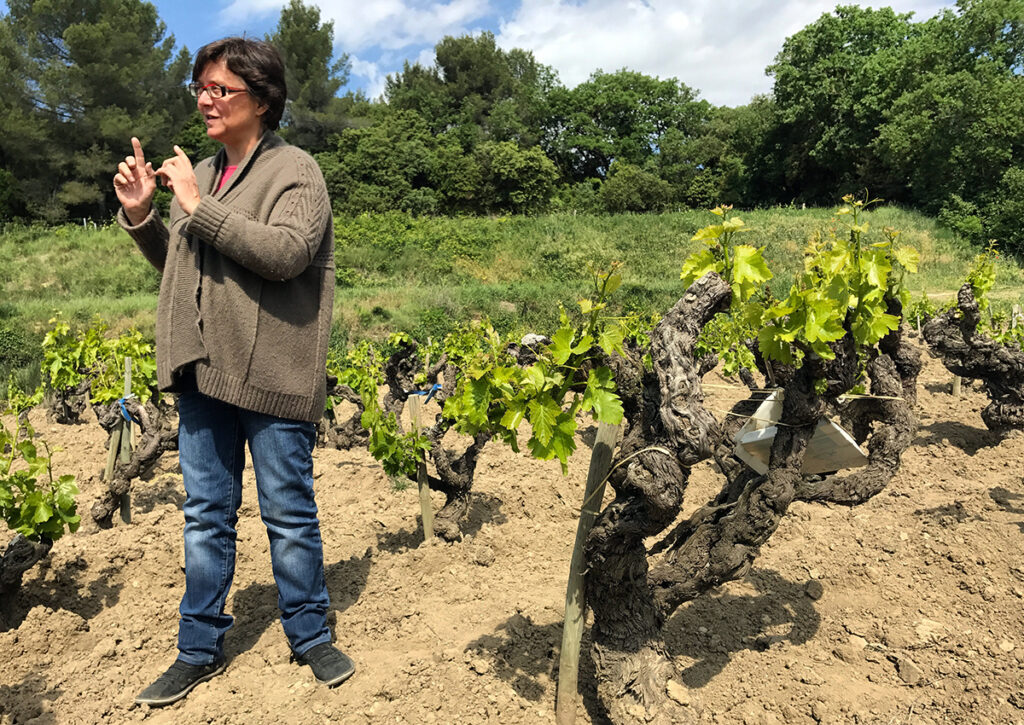
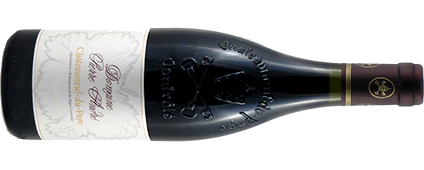
ANDRÉ
Châteauneuf-du-Pape Rouge 2023
$650
$54.17
Châteauneuf-du-Pape Blanc 2024
$695
$57.92
Domaine du Tunnel
Cornas, Northern Rhône
Stephane Robert’s Domaine du Tunnel just recently passed its thirtieth anniversary, but its critical acclaim far exceeds what one might expect from such a young domaine in the ancient and tiny Northern Rhône appellation of Cornas. People first took notice of it from the feature that provides its name; the barrel room is an old railroad tunnel punched into the hillside just above the appellation. By now, though, its reputation for quality is what brings wine lovers to the door. As the Wine Advocate’s Yohann Castaing put it, “Robert’s wines seek to balance the natural density of Cornas with a sense of precision. . . . The style remains structured and rooted in granite soils yet avoids heaviness, privileging dark fruit purity, peppery aromatics and mineral tension. The wines generally come elegantly, with sweet, enveloping textures and a clear emphasis on drinkability.” Saint-Joseph is the appellation next door. It’s much larger than Cornas, but its vertiginous slopes are like those of neighboring Côte Rôtie, making cultivation difficult. Diligence is rewarded here in first-rate all-Syrah wines, at a better price than those of Côte Rôtie and Cornas. The 2024 is very nice — ripe and round with good balance. Castaing found it “gourmand and already approachable,” with “delicate notes of violets, dark cherry, dark berries, and flowers.“ He awarded it 91 points, praising its “gently spicy and fresh finish.” The Domaine’s regular cuvée of Cornas 2024 was vinified with 20% whole bunches. We found it nicely integrated, with plenty of fruit and an attractive mouthfeel. Yohann Castaing praised its “aromas of violet, iris, cassis and dark berries mingled with delicate spicy notes.” He called it “unusually suave for the appellation,” finding it “framed by velvety tannins and concluding with a long, fruit-driven finish.” There will be no rush to drink this wine, but it is likely to be approachable young. The Domaine’s “Cornas Vin Noir” 2024 is very big wine. It comes from three parcels of very old vines with ages between 80 and 100 years, and the concentration is striking, giving the wine an almost syrupy texture. The tannins are very fine grained and the fruit is ripe and very dense. Castaing noted its “aromas of dark fruits, licorice and violet, and awarded it 93 points. Patience will be needed for this wine, but when its elements integrate it should be memorable.
TUNNEL
Saint-Joseph 2024
$595
$49.58
Cornas 2024
$795
$66.25
Cornas “Vin Noir” 2024
$995
$82.92
Frederic Michot
Pouilly-Fumé, Loire Valley
Frederic Michot is a friendly, energetic winemaker who crafts refreshing, user-friendly, flat out delicious Sauvignon Blanc in Pouilly-Fumé. Forever in the shadow of its more famous neighbor Sancerre, Pouilly-Fumé is often a source of excellent value. Michot’s style is straightforward – no oak, old vines producing fresh, dry, low-alcohol wine. It’s rarely the fanciest wine on a table, but it’s often the first bottle empty. Michot’s 2025 Pouilly-Fumé Vieilles Vignes is everything you want in an everyday Loire white – dry, refreshing, low alcohol (12.5%), smooth, and inexpensive. Made from 40-70 year old vines, there’s excellent concentration and great length. The nose shows lime, stones and grapefruit; the mouth is clear and crisp, with an easygoing, dry finish. Serve this with oysters.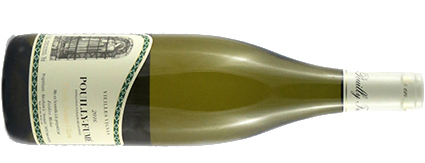
MICHOT
Pouilly-Fumé Vieilles Vignes 2025
$235
$19.58
Lancelot-Royer
Cramant, Côte des Blancs, Champagne
The Chauvet family are winemakers at the Domaine Lancelot-Royer, a tiny Champagne house in Cramant in the heart of the Côtes des Blancs. All of their wines come from grapes they grow themselves, and their vineyards are 100% Chardonnay from exclusively Grand Cru plots. Everything here is done by hand, from harvesting and riddling to disgorging, dosing and labeling. The cellars are a remarkable maze of caves carved into the moist chalk soil. Chauvet told us that whatever the temperature outside – 95° or 15°F – the conditions in the cellar remain 50° with 50% humidity. (They confirmed this amid this week even amid France’s hottest year on record.) A visitor from 1926 would recognize just about every part of the Lancelot-Royer operation today. Lancelot-Royer’s “Cuvée des Chevaliers” Brut NV is terrific and very popular among our readers. The base of this wine (about two thirds) is from the 2019 vintage, with the rest from barrels of reserved older wines. After five years on the lees this is rich and toasty, with a lovely nose of pear, apple and buttery croissants. The mouth is crisp and delicious with plenty of richness amid the energetic freshness. Serve in place of a Sancerre or premier cru Chablis.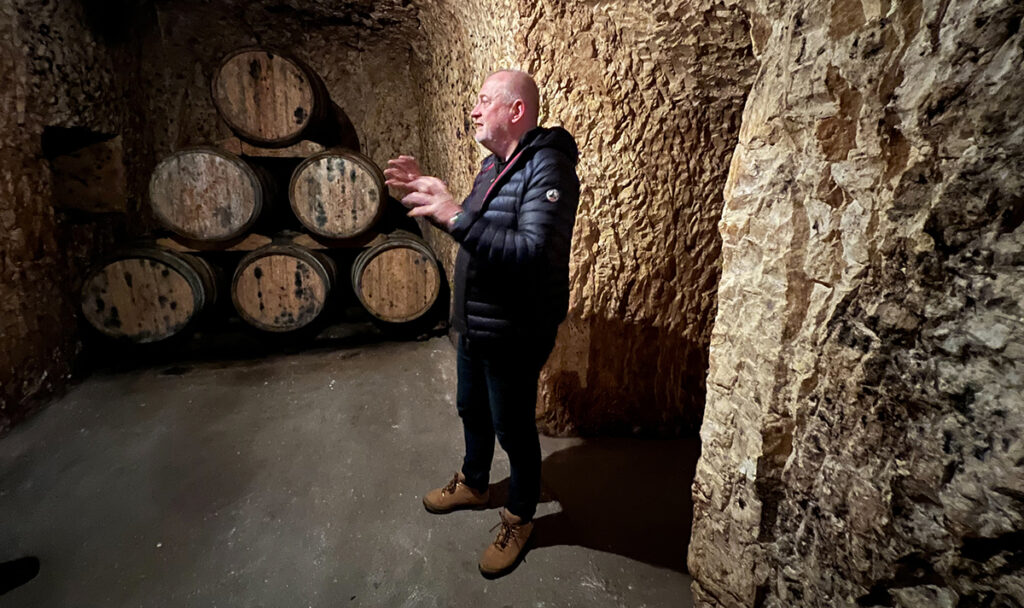

Their “Dualissme” cuvée is also non-vintage (a blend of several years), but is Extra Brut instead of Brut and comes from 40 year old vines in the two famous towns of Chouilly and Avize. This cuvée is equal parts 2017 and 2015 base, with 15% coming from reserve barrels. With 5 years on the lees, this is prettier and more savory than the “Chevaliers” cuvée. There’s less dosage (4g instead of 9g) and the character is more serious. This wine shows spring flowers and lemon zest in the nose, with excellent tension and tons of length in the mouth. This is extremely classy Champagne at a comparative bargain – same price as Veuve Cliquot and easily five times the wine. Serve in place of a Puligny-Montrachet.
LANCELOT-ROYER
Champagne “Chevaliers” Brut NV
$595
$49.58
Champagne “Dualissme” Extra Brut NV
$795
$66.25
Cyprien Lireux
Champcerie, Normandy
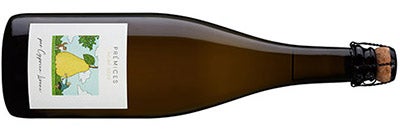
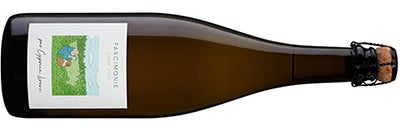
Wine may be France’s most famous culinary export, but it’s hardly alone. The French have plenty of protected designations: for cheese, of course, but also for chicken, mustard, lentils, ham, oysters, butter, nuts and even salt. One of the pleasures of spending time in France is discovering the distinctive foods each region proudly produces. Normandy is a beautiful rural region along the English Channel coast in northern France. Along with scallops, oysters, butter, and a magnificent cheese called Pont l’Evêque, Normandy is renowned for its cider. Apples and pears have been grown, pressed and fermented here for more than a thousand years – an ancient product of the rugged coastal landscape. About a decade ago we imported some tasty ciders from neighboring Brittany, and we’re delighted to announce that this year we’re giving the genre another try. Cyprien Lireux is a thirtysomething artisan cidermaker who left business school and decided to return home to work his ancestral land. His father and grandfather had taught him the art of cidermaking from the apples of their small family farm, and upon his return Cyprian began producing and selling cider commercially. He’s since purchased several small local abandoned orchards, and expanded production further. He sent us samples this spring and we tried them alongside a range of domestic and French ciders for comparison. The Lireux ciders were tasters’ universal favorites, and we’re delighted to introduce them to our lineup. They’ll be featured in July Futures out next Sunday, but we’re offering an early look at them today. We expect these to arrive in September, just in time for autumn enjoyment. Norman ciders and American craft ciders diverge in several important ways, but chiefly in the types of apples used. American cidermakers mostly use native sweet apples (Macintosh, Empire, Cortland, etc), but Norman cidermakers use apples most people would find inedible if eaten raw. There are thousands of ancient apple varieties across France, usually classified into four types: sweet, bittersweet, bitter and sharp. The ciders made from these apples are less about sweetness and more about tension and texture – they result in crisp glasses that are very dry, and relatively low in alcohol. Our first suggestion is called “Soixante.Quarante,” named for the 60/40 proportion of sharp vs. bitter apples. This was our tasters’ favorite – bone dry, pleasantly herbal and savory in the nose, with great tension in the mouth. There’s a delicate salinity alongside notes of lemon peel and quince with a hint of bitterness. A faint tannin underlies the mouthfeel, and at 6.5% abv it’s lively and easy to enjoy. Its wine equivalent is probably a very dry Petit Chablis. Serve this with grilled fish, mussels, or roasted chicken. Our second pick, called “Premises” is a perry, made from seven different heritage varieties of pear, and just as dry as the Soixante.Quarante cider. It’s brighter and prettier than the cider, with notes of lime, grapefruit, dried flowers, and a pleasant minerality. It’s more wine-like than the cider, and the match of zesty fruit and brinyness is really delicious. For a wine comparison we’d look to Muscadet; this poiré clocks in at 4.5% alcohol. Pair with sushi, tuna tartare, steamer clams, or fresh goat cheese. Finally, back in the cider category, we’re suggesting Cyprien’s Parcimonie cuvée. It’s a more serious cider – the apples undergo a 2-4 week maturation in wood crates before pressing – and shows more complexity than the 60/40. Cyprien sources 20 different varieties of apple from twelve different vineyards; roughly 25% each from the four categories (sweet, bittersweet, bitter and sharp). This has a deeper nose than the 60/40, with more fruit and woodsy notes. (One of our tasters even noted eucalyptus.) At 5.7% alcohol it’s still dry and zippy, but has just a splash of residual sugar – not enough to be considered off-dry, but more than the first two. Think Brut for this one, and Extra-Brut for the first two. For a wine comparison, we’d pick a mostly dry Chenin blanc. This should drink well on its own, or with fresh soft pretzels. All of these come in 750ml bottles, and all three are $235/case. We don’t anticipate cider will become a substantial part of the Ansonia portfolio, but we were really taken with these – and with all under $20/bot, they’re ripe for experimentation. Available by the case, or a sampler pack of 4 each; quantities uncertain, these may sell out – if still available next week we’ll include in Futures.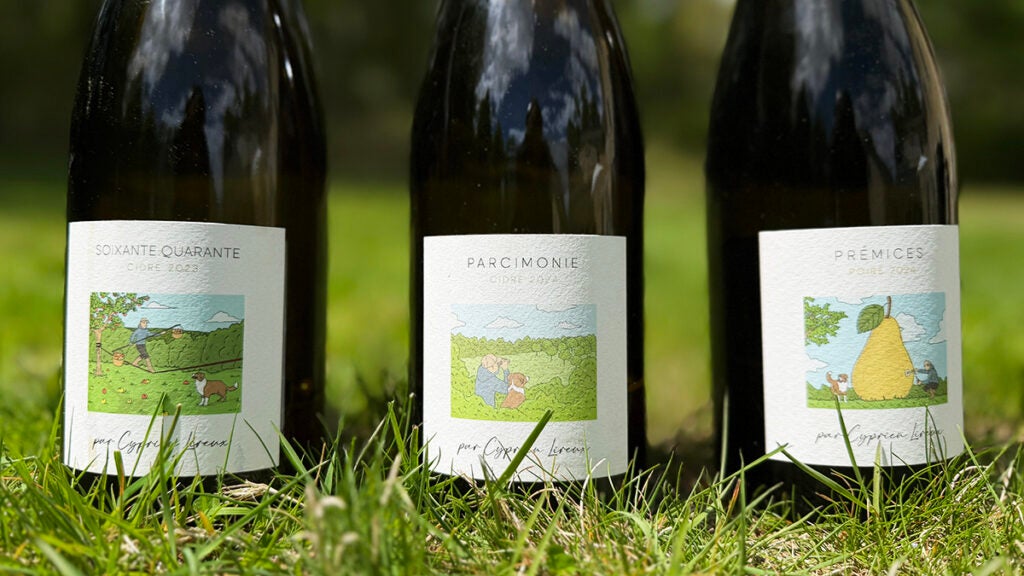
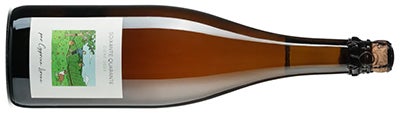
LIREUX
Cidre “Soixante.Quarante”
$235
$19.58
Poiré “Prémices”
$235
$19.58
Cidre “Parcimonie”
$235
$19.58
Lireux Sampler Case (4 of each)
$235
$19.58
_____________________________ We expect these wines in September/October 2026 If you have any trouble submitting the new order form, you can always email us your order. Or give us a call with questions: 617-249-3657, or tom@ansoniawines.com The deadline to place orders for this issue is: SUNDAY, JULY 19. Questions? Need advice? Call us: (617) 249-3657. OPTIONS FOR GETTING YOUR ORDERS Pick-up near Philadelphia. We’re pleased to restart our PA pickup option. Wines ordered for PA pickup will be available December, depending on temperatures. Email us for more details. Shipping elsewhere. In most states we can arrange for shipping at an additional cost that varies by location ($4.50 per bottle to the addresses west of Chicago; $3.50 per bottle east of Chicago). If shipping interests you, let us know the state and we will figure out if it can be done.
Pick-up in Massachusetts. We store our inventory at our new warehouse in Newton: 12 Hawthorn St, Newton MA 02458. Futures customers can pick up their orders here during Saturday open hours, or by appointment.