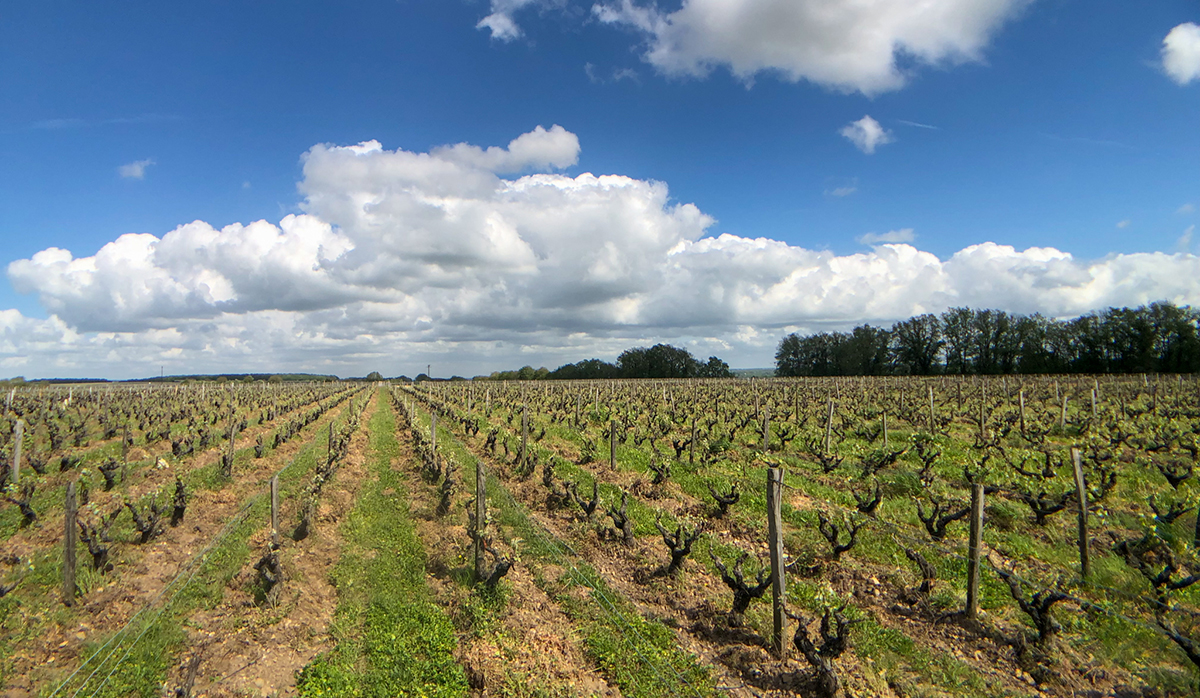
Most Loire Valley reds are simple, lightweight, and delicious – made for drinking young and enjoying cool. We love serving Cabernet Francs from the Middle Loire and the Pinot Noirs of Sancerre -- they’re perfect accompaniments to summertime fare.

Most Loire Valley reds are simple, lightweight, and delicious – made for drinking young and enjoying cool. We love serving Cabernet Francs from the Middle Loire and the Pinot Noirs of Sancerre -- they’re perfect accompaniments to summertime fare.

Vincent Ravaut’s Bourgogne blanc has become a favorite among readers in recent years. He makes excellent village-level Ladoix blanc and magnificent (and rare) Corton-Charlemagne Grand Cru. But his humble Bourgogne blanc punches way above its weight, particularly this year.

Though it has no Grand Cru, the wines of Meursault are some of the most sought after in the world. Traditionally Meursault inhabits the decadent, opulent end of the white Burgundy spectrum, drawing on clay-heavy soils to produce muscular, mouthfilling white wines.

Today’s producer may look like a new source, but it’s actually a familiar one. Several years ago the Domaine Merisol combined with another centuries old family domaine in the same Alsace town (Dambach-la-Ville): the Domaine Charles Frey. Frey (est. 1709) has made the wine under both labels for years, but we’ve decided to switch to their label.

Michel Prunier and his daughter Estelle make delicious, traditional Burgundies in Auxey-Duresses. In some vintages Prunier’s reds occupy the lightweight end of the spectrum, requiring some time and a careful food pairing. But in 2018 all they need is a corkscrew and a glass.

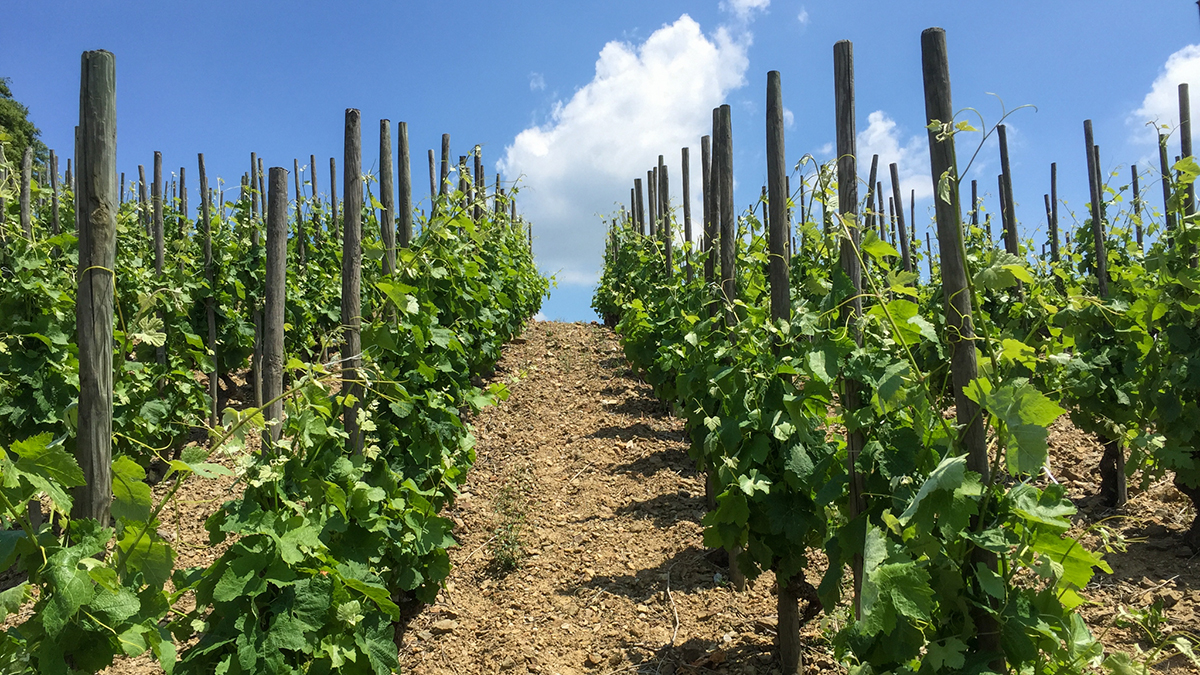
Sancerre has no premier or grand cru classifications -- all 6400 acres are under the same appellation. But, as you might expect, not all of Sancerre’s terroirs are created equal. Among the most famous is the steep slopes of the Monts Damnées (damned mountains).

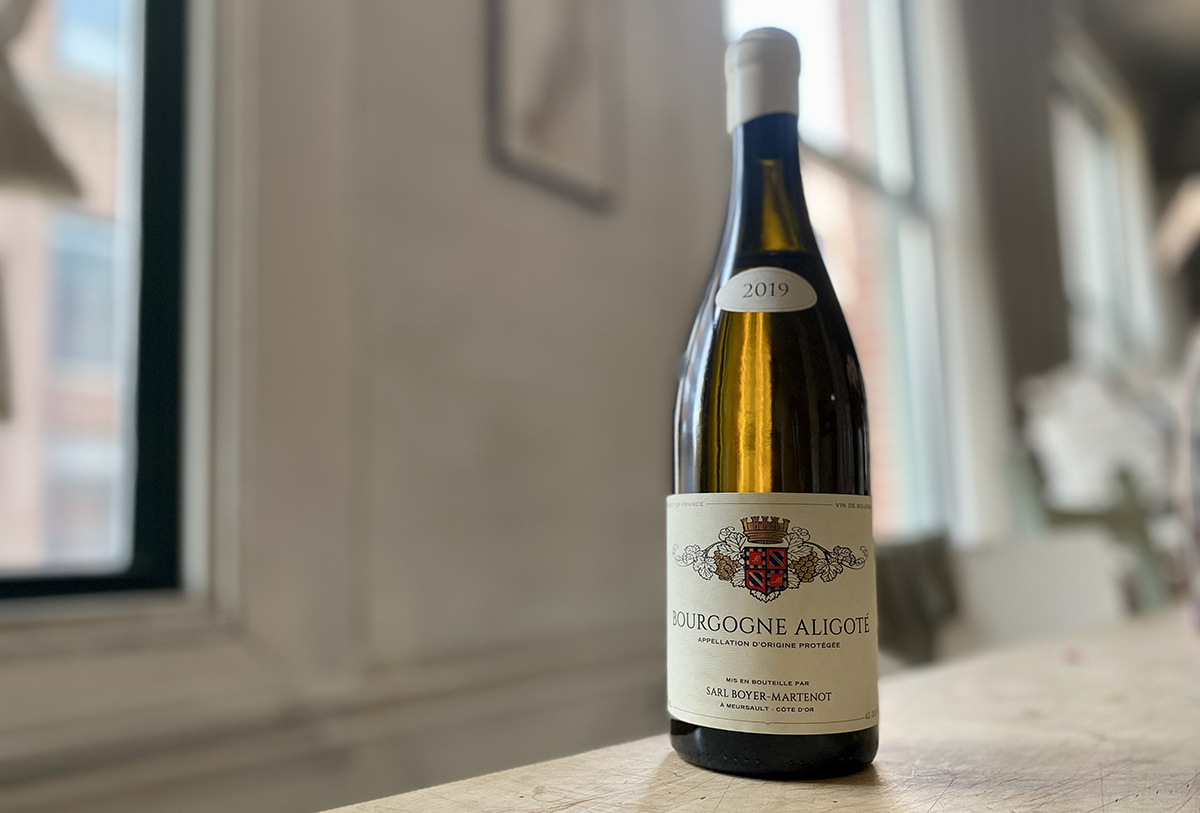
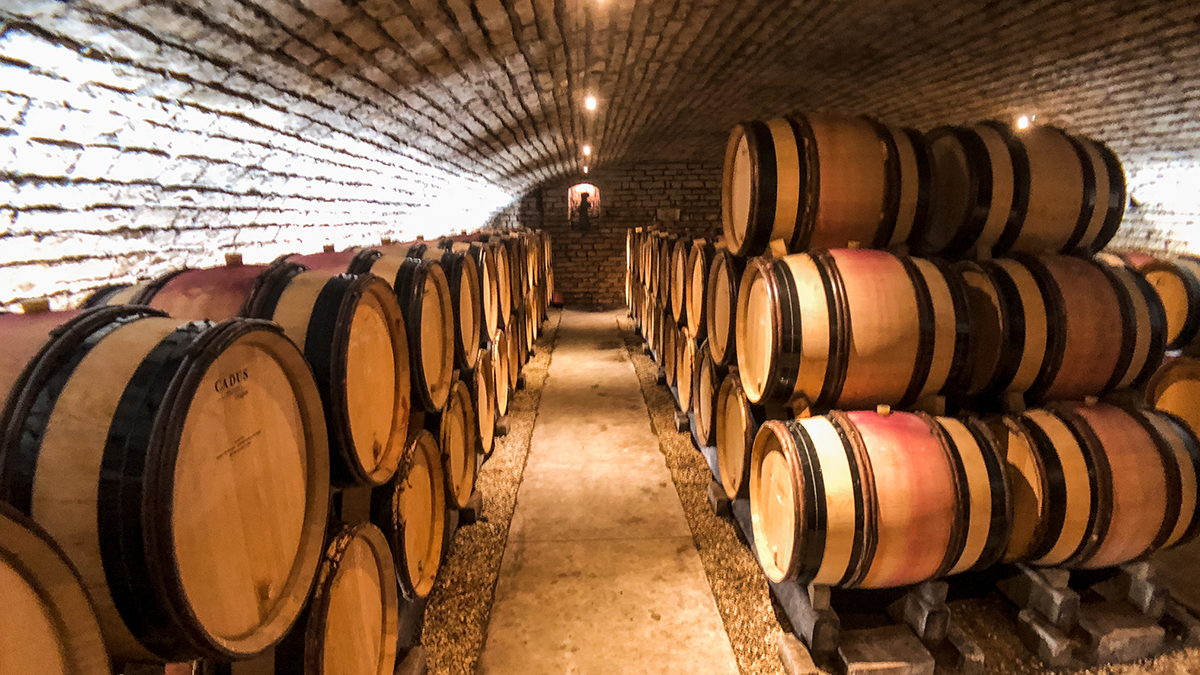
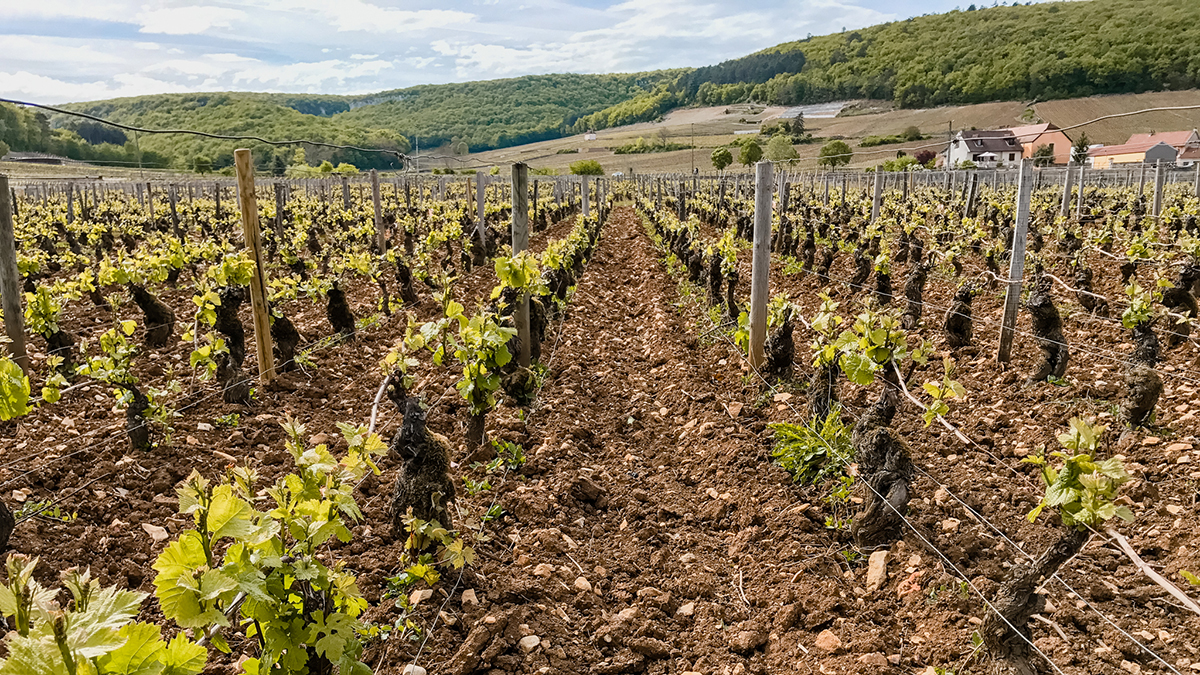
Vincent Boyer is among the most talented of our winemakers, and his family owns some the Côte d’Or’s finest white wine terroir. With his increasing recognition and impressive critical scores, you might expect him to be content with the renown he has achieved. But Vincent is an innovator.

Nearly all the wines in the world (and most of those we import) are made with added sulfur dioxide. This centuries-old non-toxic compound protects wine from bacteria growth and oxidation. Sulfited wines are more predictable, more stable, and have a greater capacity to age. Vincent Gross is an exciting young winemaker in Alsace — a […]

The Salomon-Undhof estate dates to 1792, and is currently on its 7th and 8th generation winemakers, father and son Bert and Bert Salomon. Their terraced vines overlooking the Danube have long been an excellent source, with the country’s preeminent wine guide calling them a “figurehead of Austrian wine history.”

Ask a group of sommeliers to name their favorite wine region and most will say Burgundy. But ask them for just one favorite grape varietal, and it’s likely Riesling. Aside from its excellent food friendliness, Riesling communicates terroir with as much honesty and precision as any other grape.

Drinking multiple vintages of the same wine is an excellent way to get to know a wine. In Burgundy, vintages play an important role in the character of a wine, and tasting the same wine in vertical be an educational (and delicious) experience.

The Domaine Pierre Amiot is an old school Burgundy estate based in Morey-St-Denis. They’ve just welcomed the 6th generation into the business, and year after year turn out humbly delicious red Burgundies. They’re never the loudest or boldest wine in a lineup, but they can often be the most subtly beautiful.

Today’s wine comes from one of the most famous names in Chassagne-Montrachet. We’ve imported their wines for our Futures group for decades, but their national importer kicked up a fuss about us a few years ago. So to avoid conflict we’ve taken them out of our main sales channels.

St-Aubin may not be the secret source for white Burgundy it once was, but it’s not because of the quality. Soaring prices for Burgundy from its famous neighboring towns of Puligny, Chassagne, and Meursault mean that the spillover demand have nudged prices for St-Aubin well. But the quality has more than kept pace, and despite the demise of its anonymity,…

Red Burgundy is classically a study in finesse and understatement. Pinot Noir’s thin skin and clear juice enable remarkable subtlety, and at their best, Red Burgundies can be hauntingly beautiful. They’re rarely the loudest voice in the room, but often the most impressive. But as with most rules, there are exceptions.