
Pitch Perfect 9-Year-Old Grower Champagne
The Domaine Jacques Robin is a tiny source in the Côtes des Bar, a southern satellite subregion of Champagne. We’re among their first US importers, and found their wines charming and extremely well priced.

The Domaine Jacques Robin is a tiny source in the Côtes des Bar, a southern satellite subregion of Champagne. We’re among their first US importers, and found their wines charming and extremely well priced.
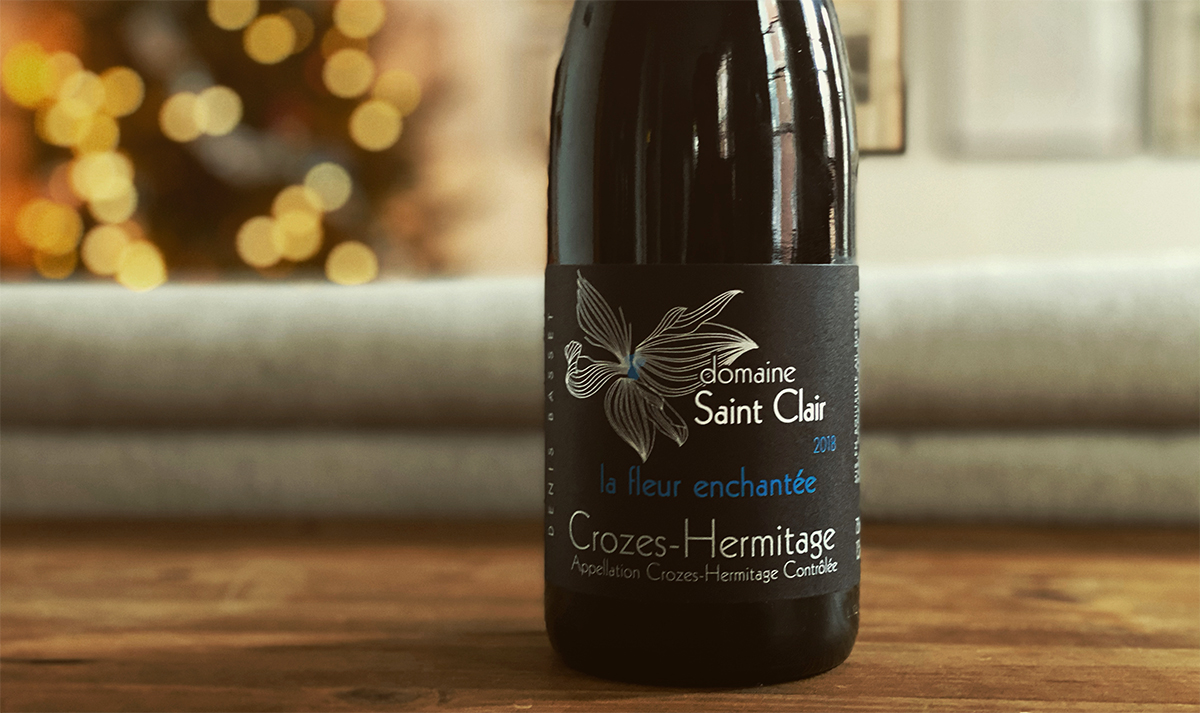
With outdoor fun limited and daylight dwindling, we find ourselves indoors more these days. We’ve found a bit of effort toward coziness goes a long way in lifting the mood — candles, Christmas trees, and fragrant baking stews are some of our favorite winter comfort hacks.
The white Burgundies of the Maconnais are some of our favorite expressions of Chardonnay. Grown in a region known as “la France Profonde” (“deep France”), the best cuvées are unoaked, mouthfilling, vibrant, and crisp.
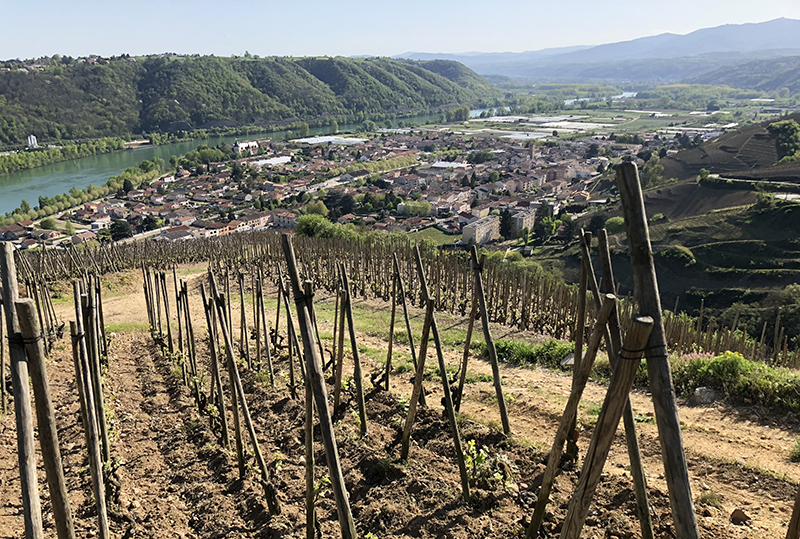
Praise continues to pour in for the Domaine Patrick & Christophe Bonnefond. Their Northern Rhône reds are pure syrah, and display an exquisite balance of texture, fruit, subtlety and depth. The wines continue to improve each year — Josh Raynolds of Vinous declared his tasting this year “the single most impressive set of bottlings I have had here.”
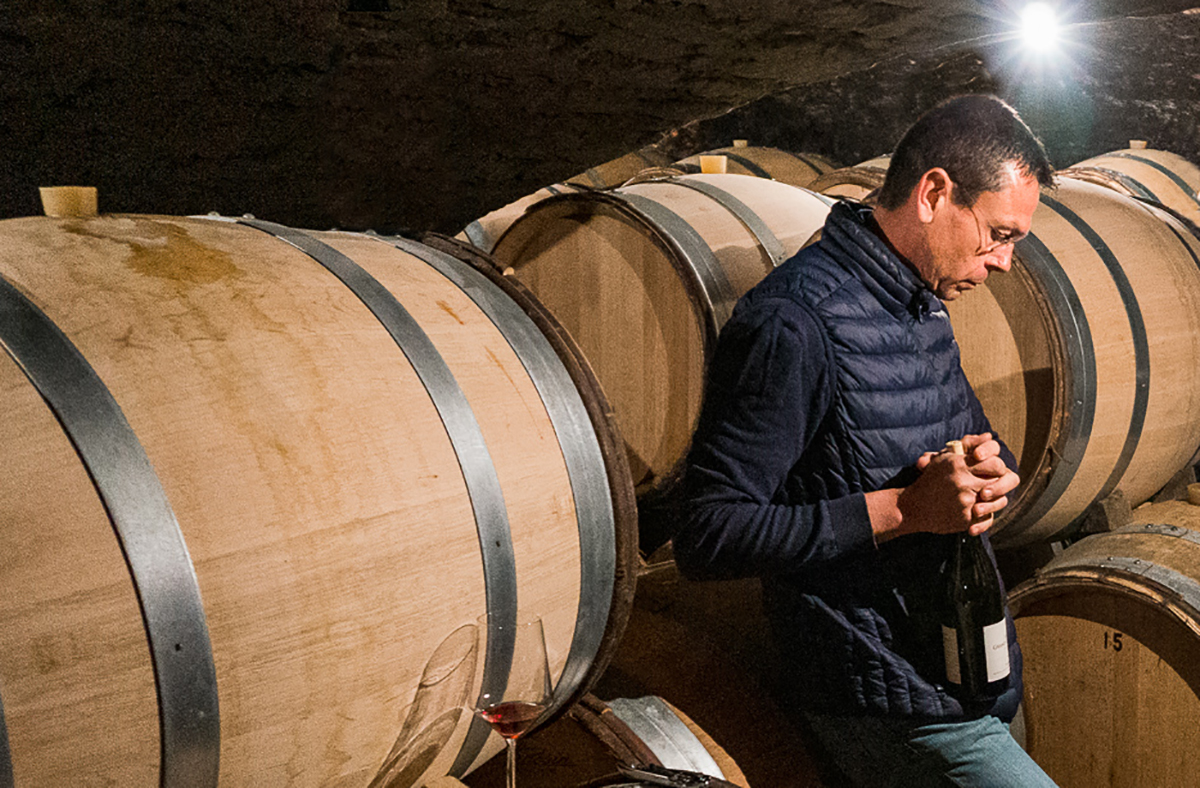
Winemaker Thomas Morey is as much a part of Chassagne-Montrachet as the bell tower or the fields of vines — his family has lived in the village since 1643. His father Bernard’s wines were considered a reference point for the town, and Thomas’s reputation has grown steadily since he started his domaine in 2007.
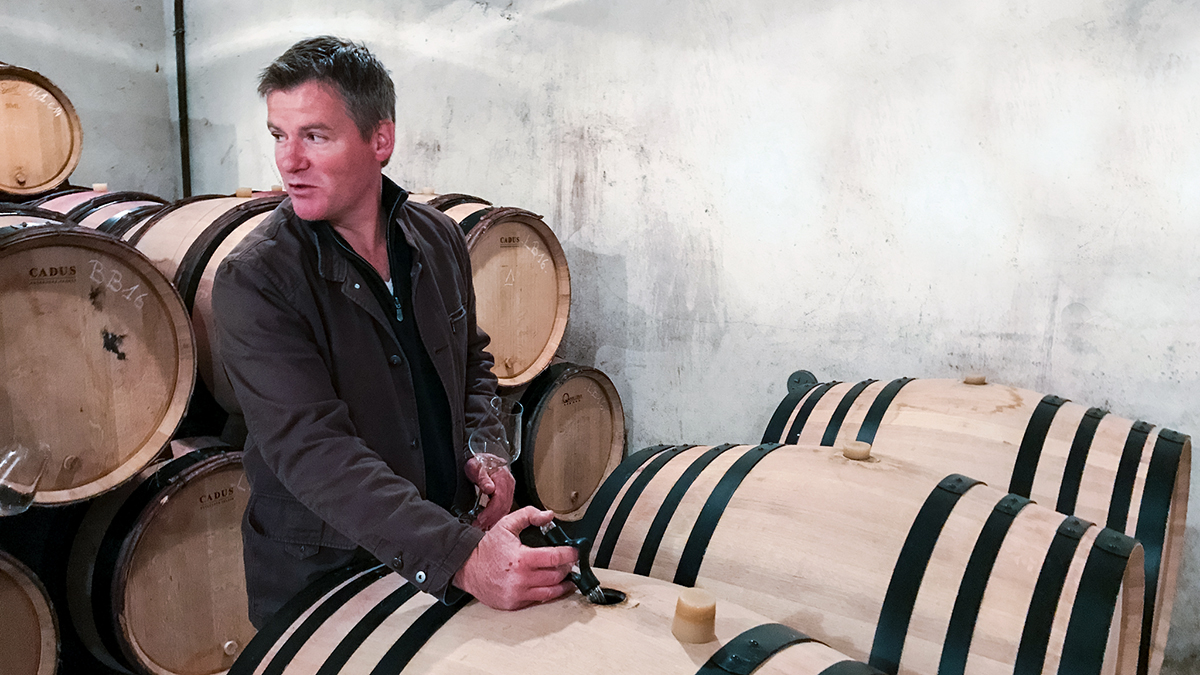
The Domaine Ravaut is an old-school Burgundy domaine. Family-run for centuries, they sell much of their wine to local clientele and restaurants, and make delicious, well-priced cuvées (white and red) from humble appellations. The Wine Advocate’s William Kelley recently made his inaugural visit, reporting that he “found plenty to admire,” and calling the 2018 reds lineup “hearty, characterful wines with plenty of stuffing.”
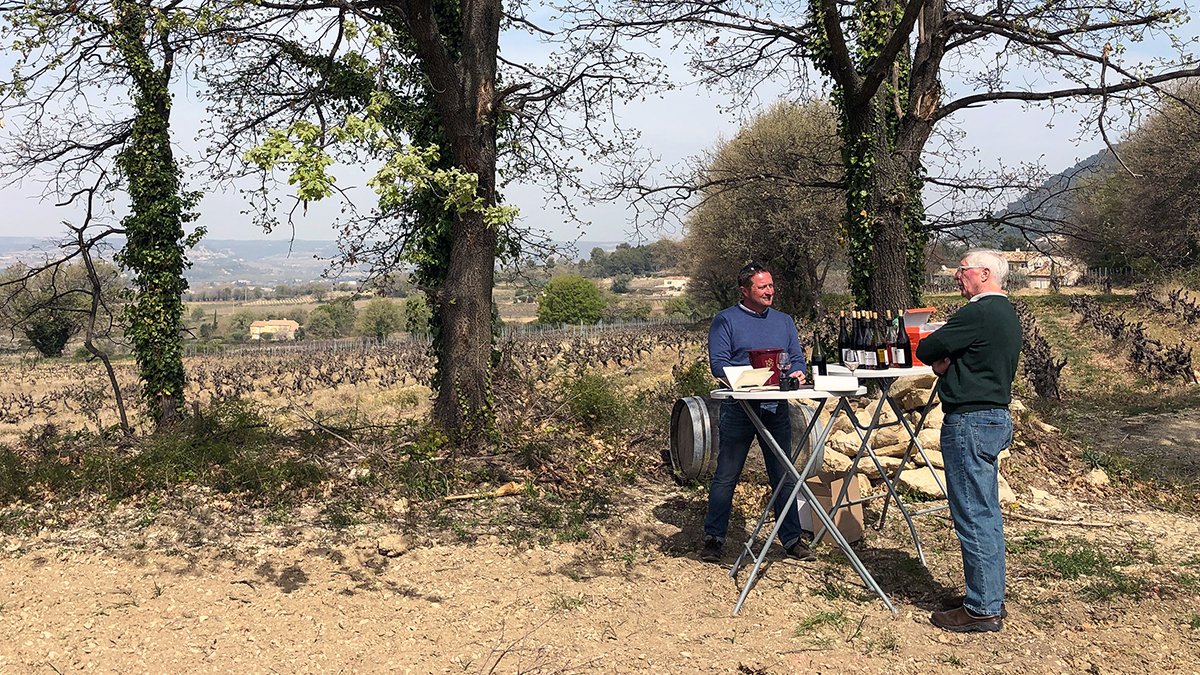
Côtes du Rhônes are a dime a dozen these days. They’re cheap, plentiful, and abundant — you’ll find them everywhere from a fine restaurant to your local supermarket. Most are mass produced, with low tannin and lots of fruit — they may lack flaws, but they’re short on character too.
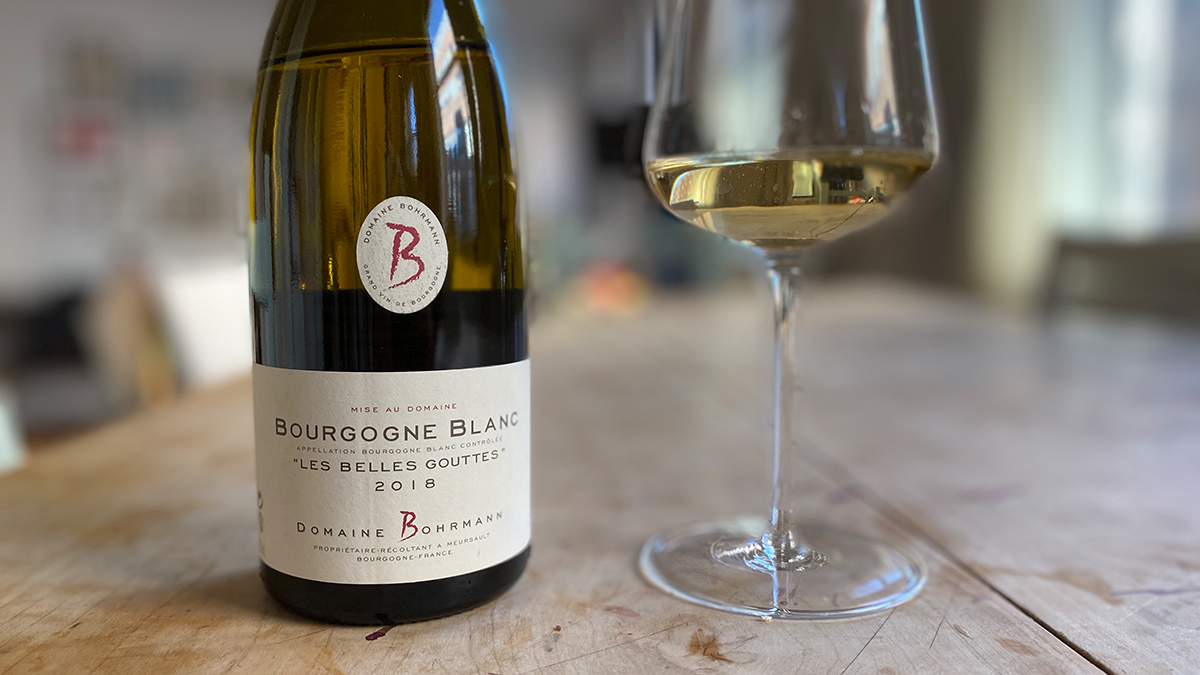
It’s said you can judge a domaine by its simplest wine. Making great wine from a Grand Cru vineyard certainly takes talent, but the raw materials provide a considerable head start. As one vigneron put it to us once, “with the Grand Crus, we just get out of the way.”
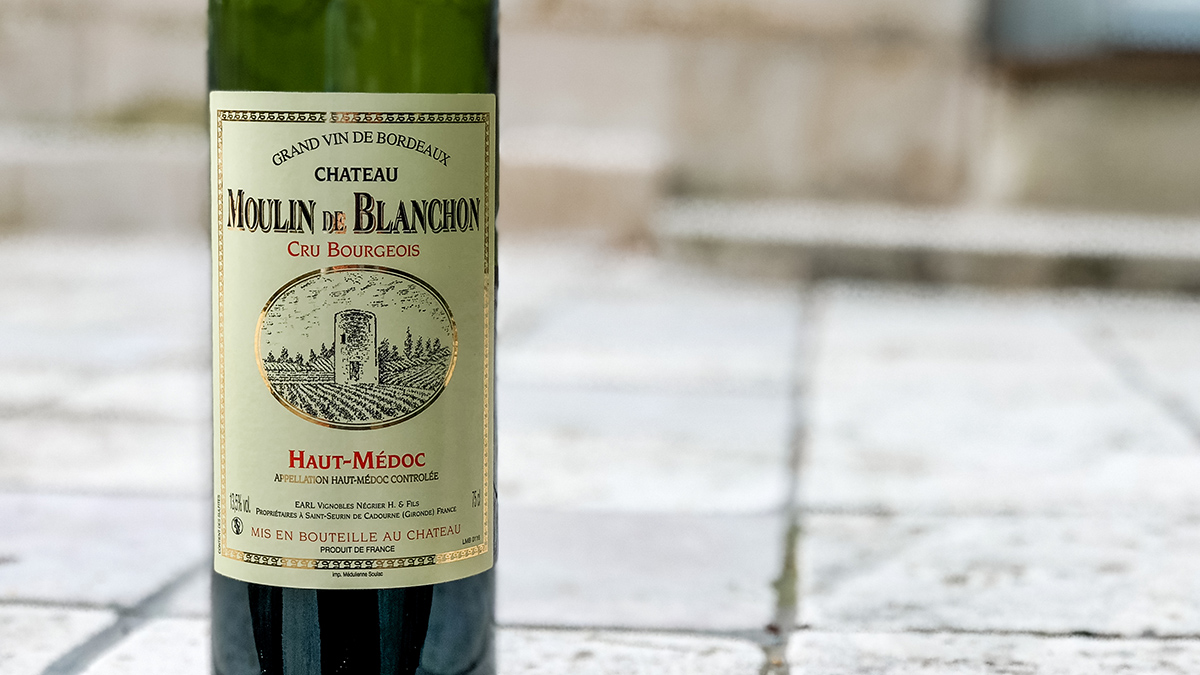
The Negrier Family is a bit unusual for Bordeaux: a tiny family winery making small-batch, terrific wines from limited terroirs. Nearly all of their wine is sold to local customers who visit the domaine.
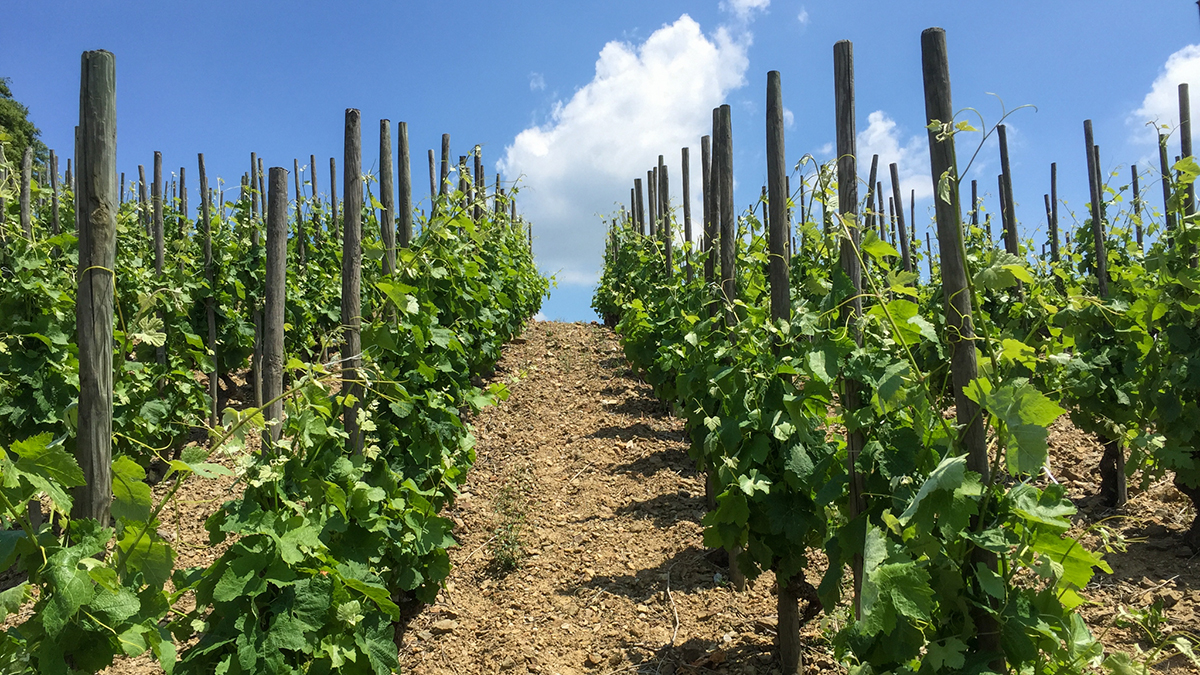
French winemakers have spent centuries perfecting the ideal marriages of grape and land. Each region has its own match: Pinot Noir in Burgundy, Sauvignon blanc in Sancerre, Merlot in Bordeaux, Grenache in the Rhône, etc.
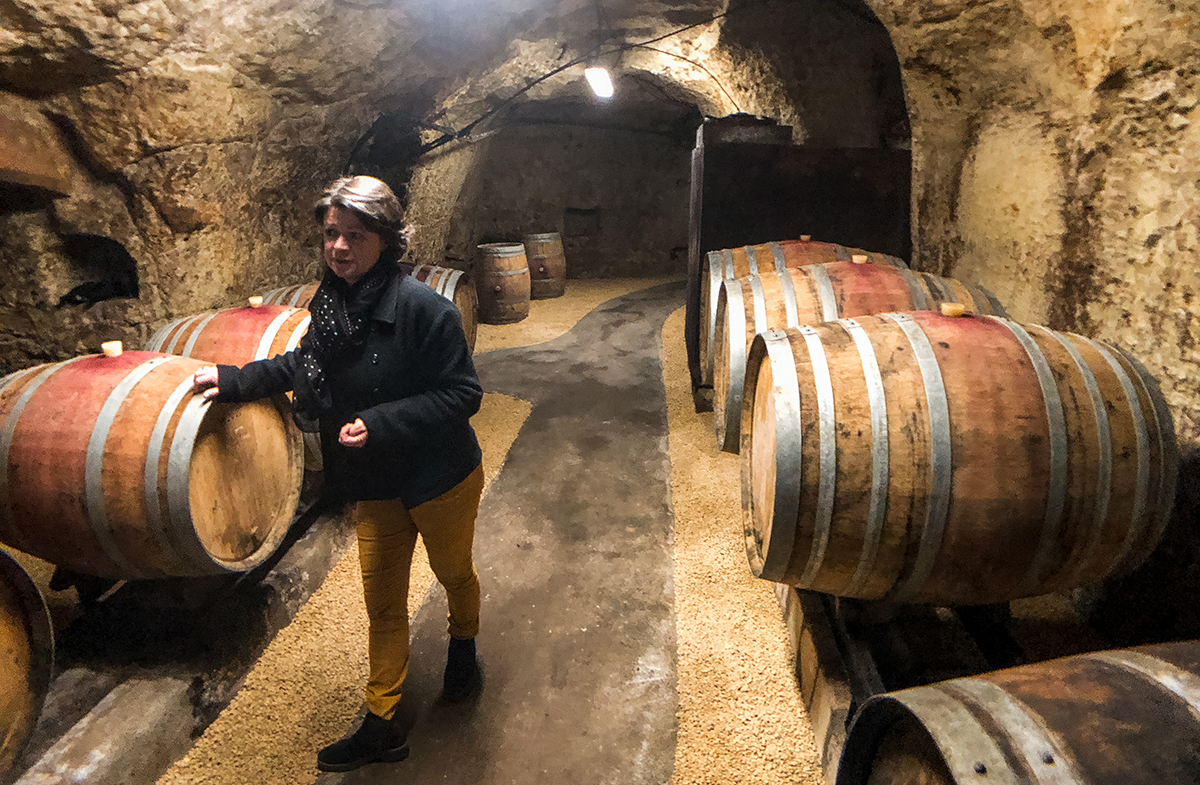
The Loire Valley continues to be the epicenter of natural winemaking in France. We’ve found ourselves opening more and more Loire Valley wines recently, whatever the occasion. Organic viticulture, balanced wines, and affordable prices have all become the default in the Loire, a trend we celebrate enthusiastically.
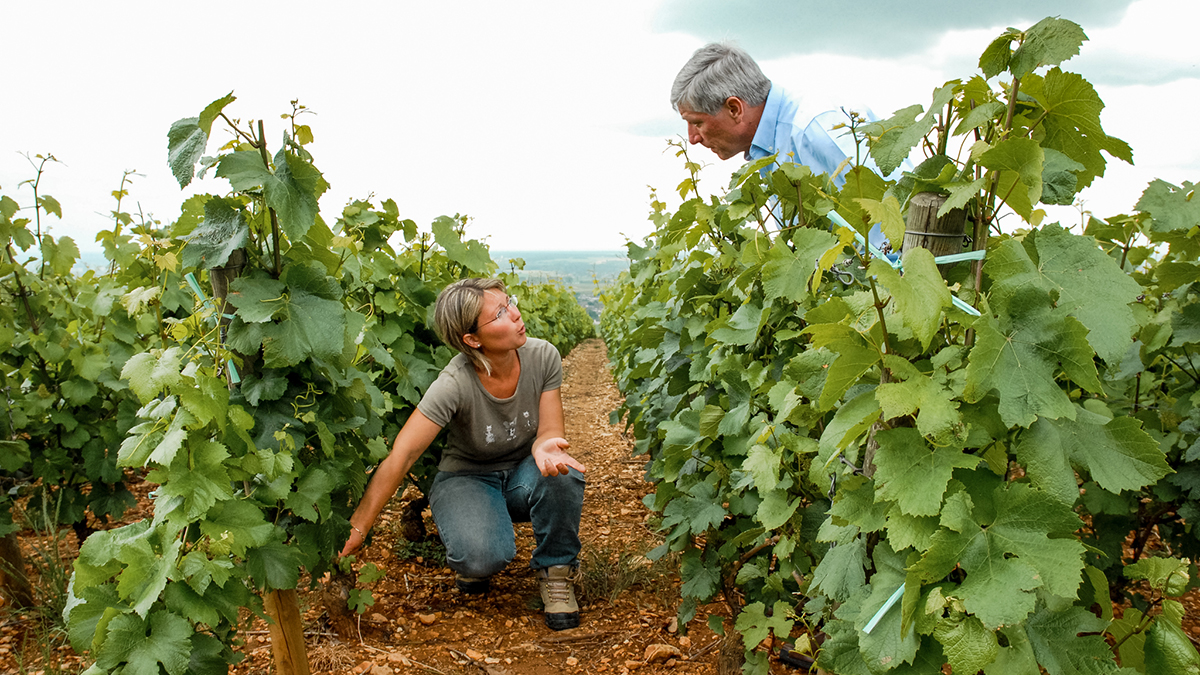
Burgundies are not getting any cheaper. With limited supply and ever-increasing demand, good values are harder and harder to find. But one Burgundian town that continues to deliver far more than people expect is St-Aubin. And we’re not the only ones to notice. Rajat Parr writes writes that St-Aubin “produces some of the best-value Chardonnays […]
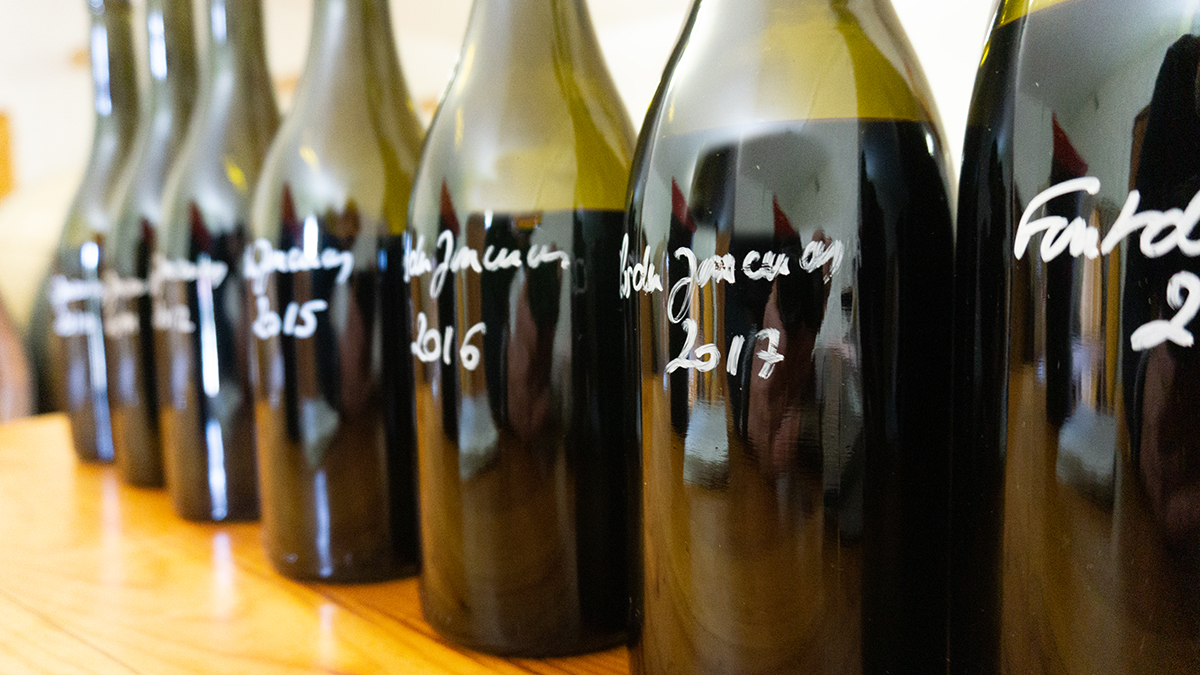
Organic viticulture is the future of winemaking — the majority of our winemakers are organic or in conversion. But at some domaines, it’s also the past. The Domaine du Joncuas in Gigondas turned 100 years old this year, and they’ve practiced organic winemaking, as they put it, “depuis toujours” (“since forever”).
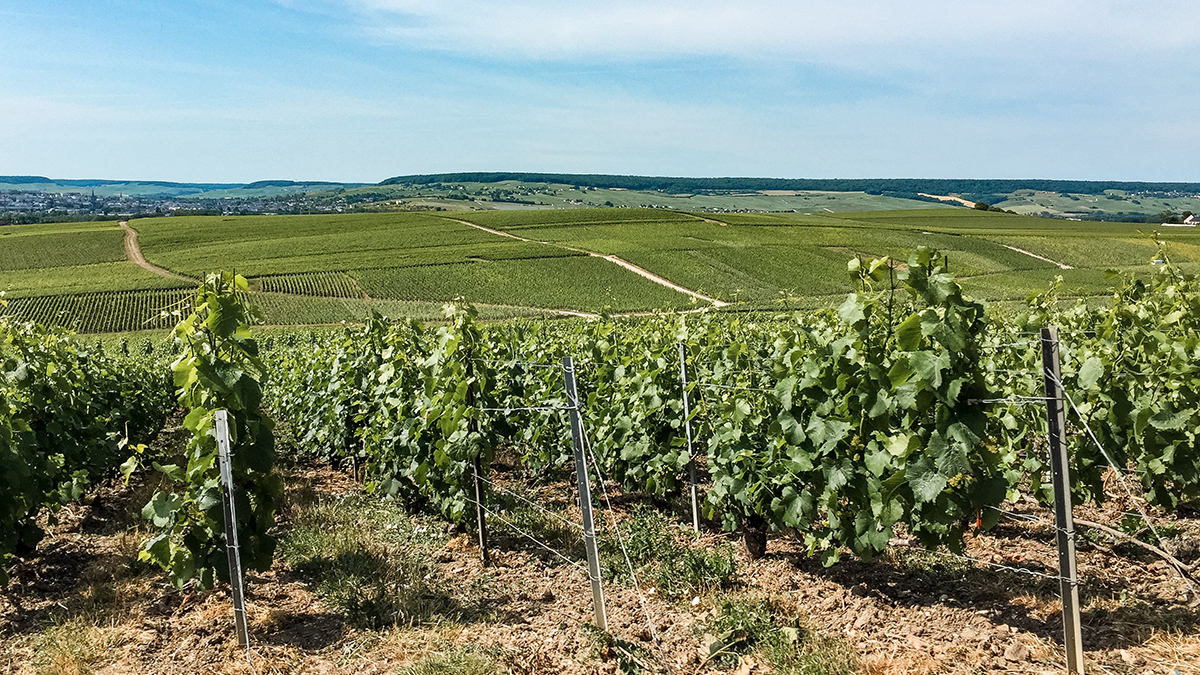
Winston Churchill once said of Champagne, “in victory you deserve it, in defeat you need it.” Wherever the country lands this week, and whatever your reaction, we can assure you Champagne is a helpful accessory.
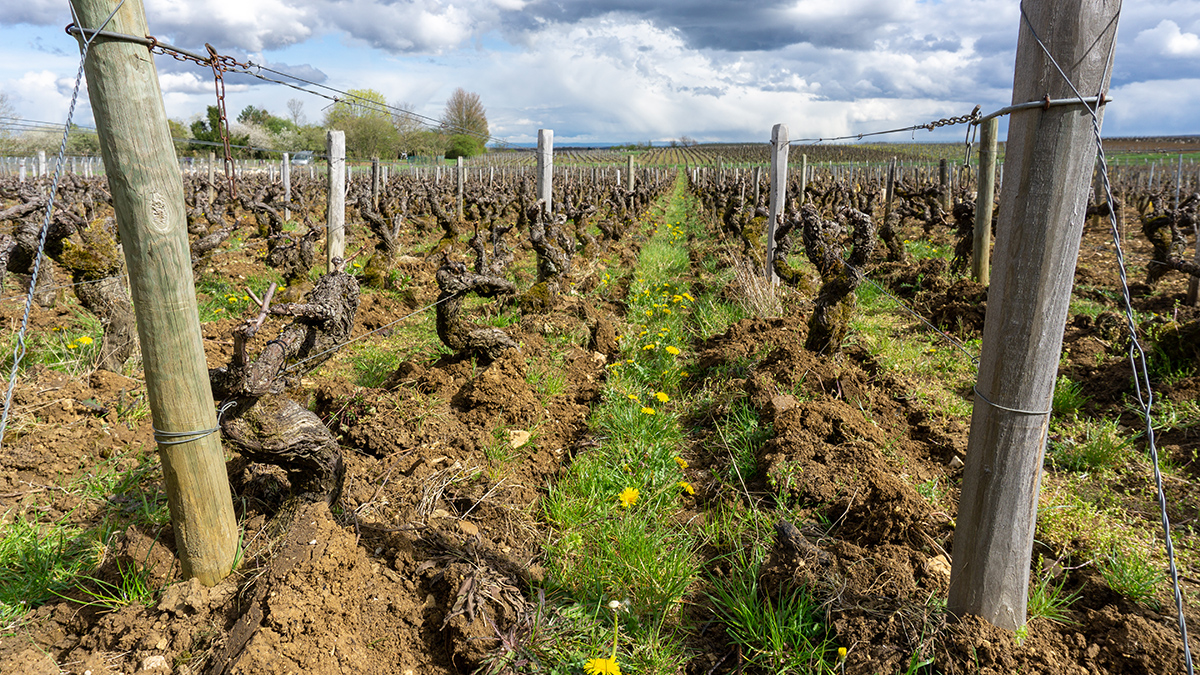
Gautier Desvignes took over his family domaine just a few years ago, but his arrival is already having an impact. He’s rebuilt his winery, replanted with new clones, and tightened up the fermenting and bottling regime. In the last two years Vinous and the Wine Advocate have arrived, calling his wines “superb,” “succulent,” and one of the region’s “five emerging talents to watch.”