“Sleek” New 91-point Volnay: Plums, Velvet, and Silk
Red Burgundies aren’t known for their heartiness. Pinot Noir is a delicate, thin-skinned varietal — light in color and body. It most often shows subtlety over strength, polish over power.
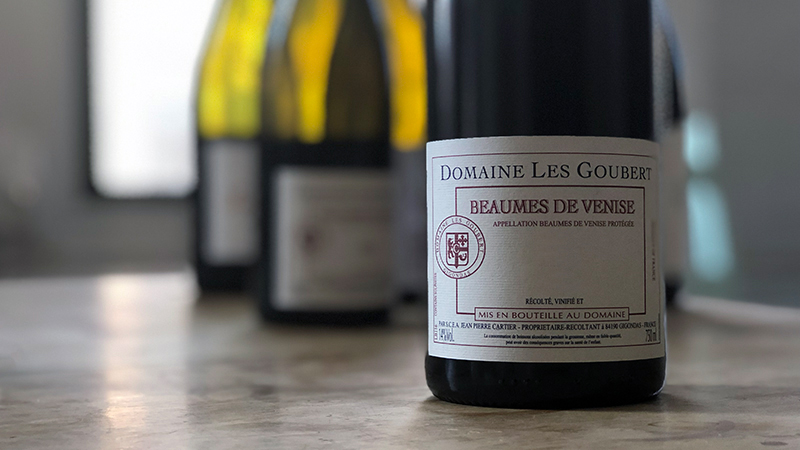
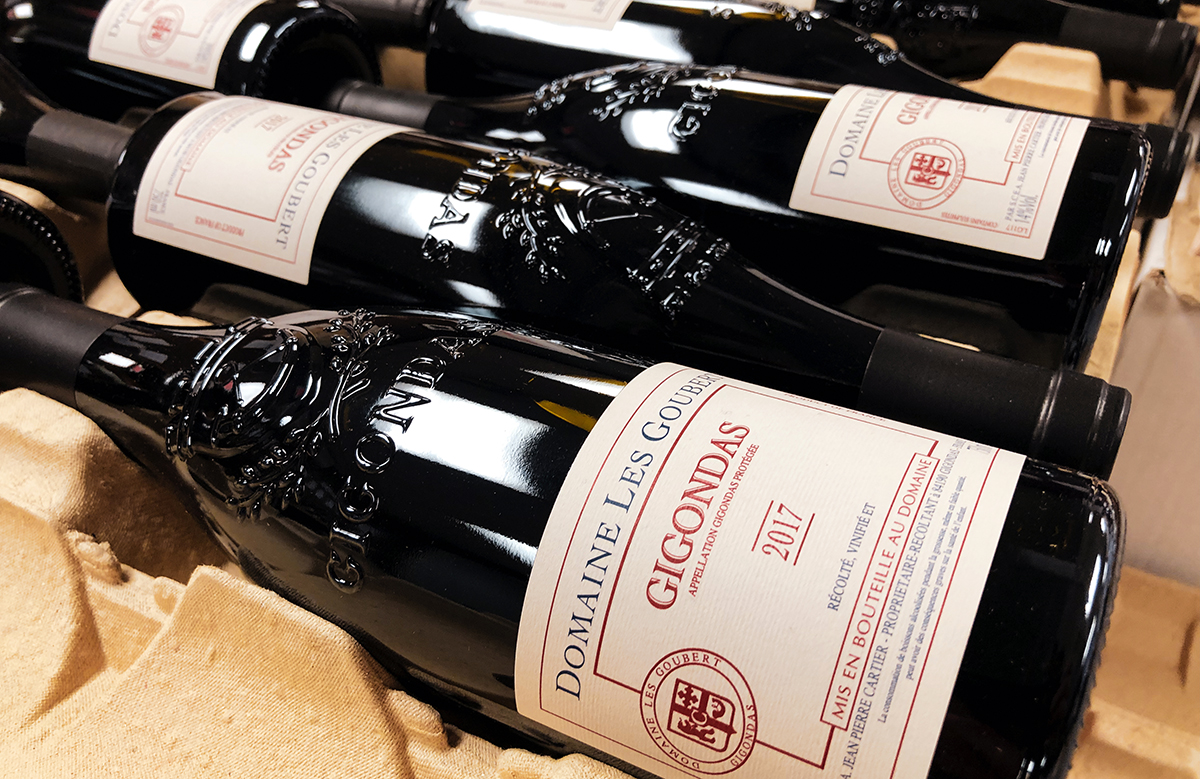
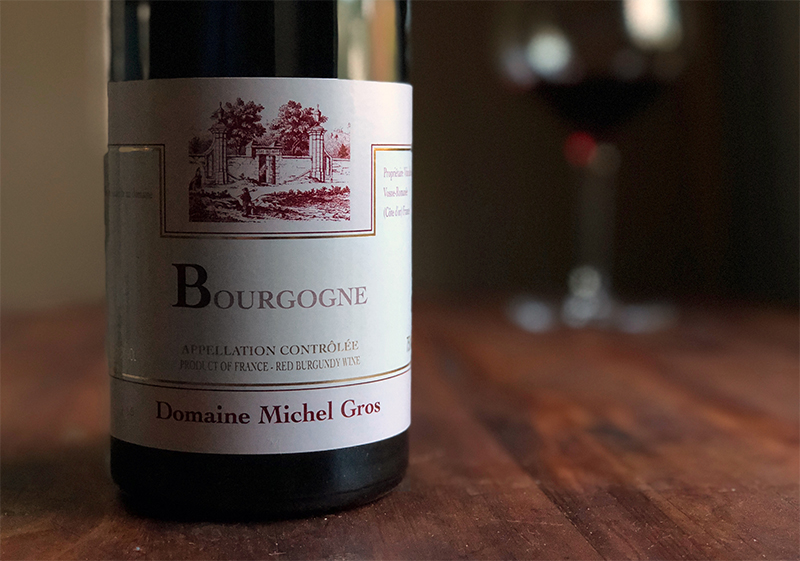
Our final Futures issue of the year comes out next week. It includes some of our most popular winemakers — Goubert, Boyer-Martenot, Desvignes, and more — but one favorite in particular: the Domaine Michel Gros. His entire lineup of 2017s will be available next Sunday, but today we’re focusing on one wine that is always in short supply.
Chambolle Musigny is best known for its three famous terroirs: the Grand Crus Musigny and Bonnes-Mares, and Premier Cru Amoureuses. These three wines fetch prices north of $400/bot, and are among the jewels of many serious collectors’ cellars.
Meursault is one of Burgundy’s largest appellations. Though it has no Grand Crus, its wines are among the most respected and sought-after in the world. With chalky soils and a low water table, Meursault produces prototypical white Burgundy: golden, rich, and perfect balance between roundness and mineral tension.
Belland’s wines age quite well, but they’re so drinkable young that most don’t make it past a year or two in our inventory. Today’s we’re suggesting the Santenay 1er cru “Beauregard” red from 2017. Some wines we import are intellectual experiences; this one is pure hedonistic pleasure.
Bordeaux can be an intimidating place. Grand Chateaux, skyrocketing prices, and wines that require decades of aging — to the casual wine drinker it’s not exactly accessible or friendly.
Today’s wine is simple, floral, and delicious. So we’re not going to complicate it with a long post. Here’s what you need to know:
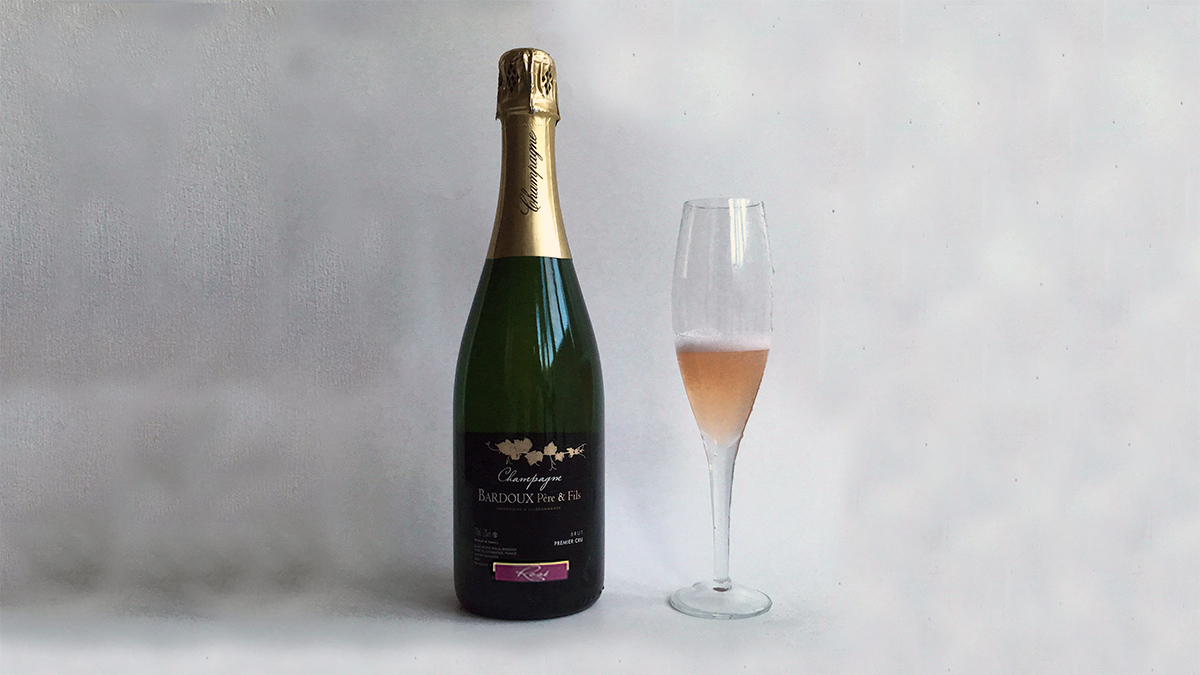
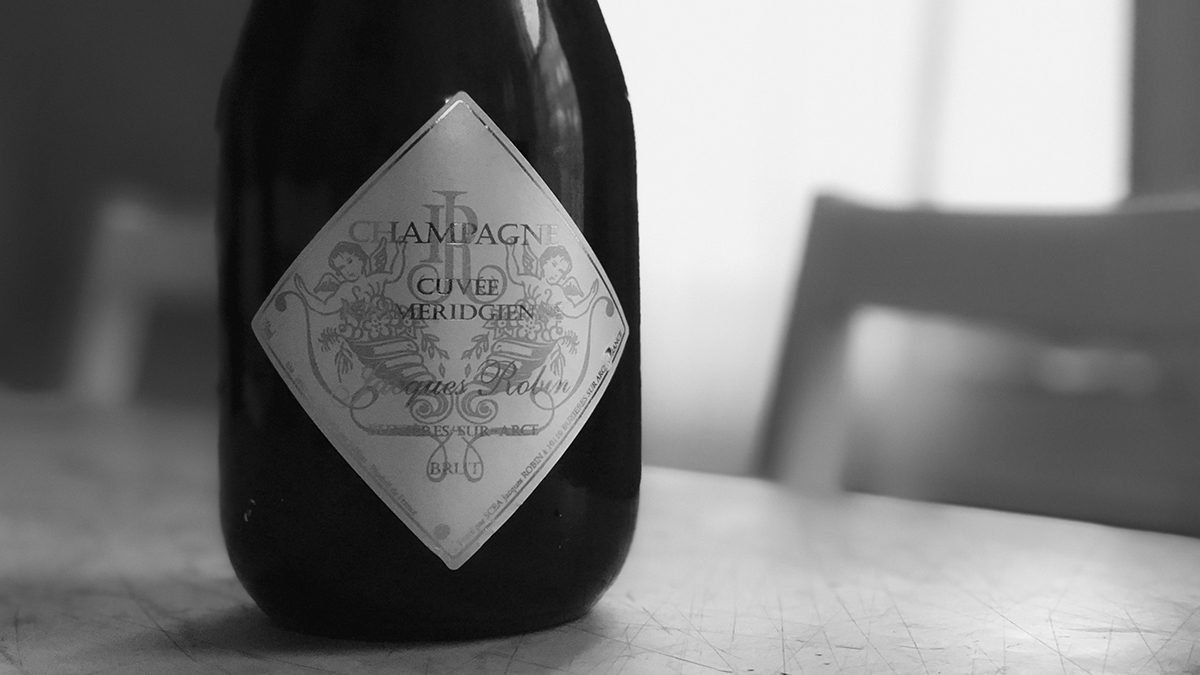
Two main distinctions separate Champagne and other French sparkling wine. First, terroir: Champagne’s unique chalky soils contribute to the singular flavors of its wines. Second, time spent on the lees: Champenois age their wines on lees for longer than — on average 2-3 years for non vintage, and 3+ for vintage.
“The greatest white wine commune on earth” – that’s how Master of Wine Clive Coates describes Puligny-Montrachet. Known for its singular purity and depth, Puligny is white Burgundy at its most regal.
There’s no better wine for Autumn than Beaujolais. That refreshing chill in the air these days perfectly matches the crackling energy and gulpable freshness of Beaujolais.
We’re often asked how we discover new winemakers. The answer is a combination of recommendations, wine journals, and critical reviews, but the most enjoyable way, or at least the most delicious, is through local wine lists.
The Gamay grape has had a turbulent history in Burgundy. In 1395 Duke Philip the Bold concluded Gamay was “evil and disloyal,” and banished it from the northern half of Burgundy. For the past six centuries it has found refuge in Beaujolais, where it produces mostly simple reds — fruit-forward and inexpensive.
Cornas is a tiny appellation. It covers 145 hectares (compared with Châteauneuf-du-Pape’s 3,000+), and is home to fewer than 50 vignerons. The name comes from the Celtic word for “burnt earth,” and it’s an appropriate moniker: Cornas is pure Syrah like the rest of the Northern Rhône, but the feel is of something farther to the South.
When we shape our portfolio, we look for wines that “punch above their weight.” These are wines that exceed expectations based on the price tag and the name on the label. For overperforming white Burgundies, many of our favorites come from the towns of St-Aubin and Santenay.
The 2017 vintage was an unusual one in the Southern Rhône. Growers encountered coulure in the Grenache vines, as a cold snap after flowering dramatically restricted the development of fruit. Low Grenache yields meant low Grenache percentages in the wines, leaving the stage open for other grapes to shine.