Gorgeous, “Graceful” New Wintery Côte Rôtie.
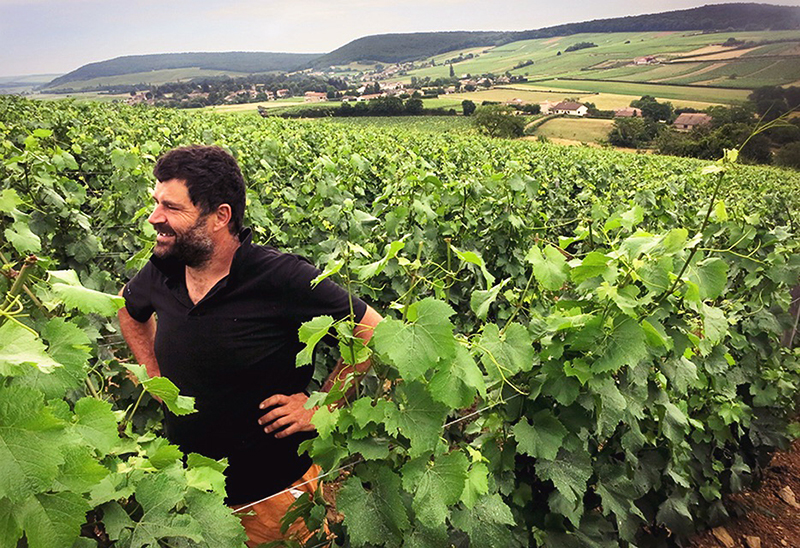
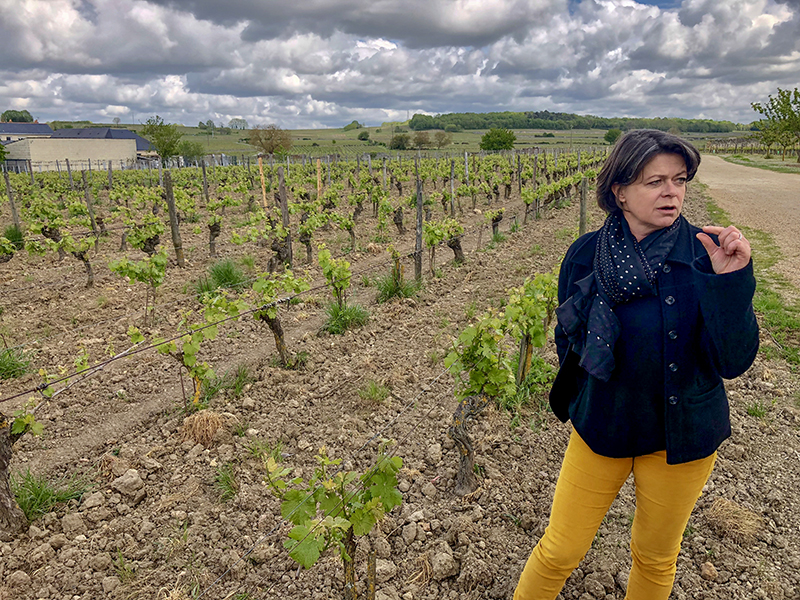
Sometimes the most impressive wines come from the most unassuming of winemakers. We see our fair share of egocentric vignerons, but often the most talented winemakers are the quietest.
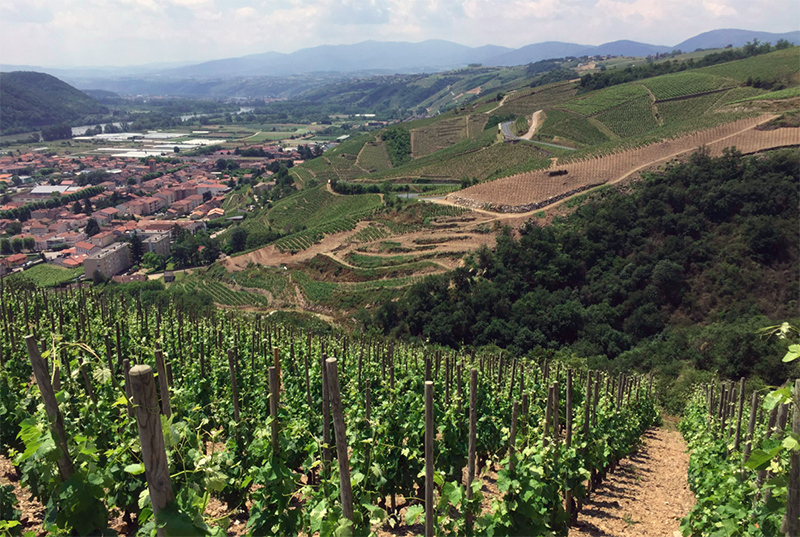
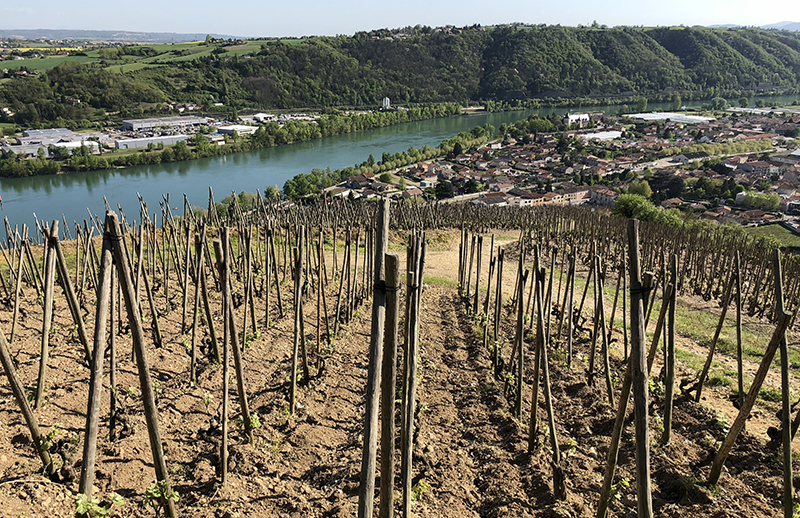
The wines of Côte Rôtie have been celebrated for thousands of years. They appear in the writings of Plutarch and Pliny the Elder, and today are among the favorite wines of the sommelier Instagram set. Made from pure Syrah at its northernmost growing limit, Côte Rôtie represents the grape at its most refined.
There’s perhaps no cozier wine than a red from the Southern Rhône Valley. The most famous is Châteauneuf-du-Pape, but many rich, excellent reds hail from the surrounding towns as well. At their best they provide similar depth and complexity but far better pricing.
Vosne-Romanée and Nuits-St-Georges are neighbors with opposing characters. Vosne tends towards elegance, finesse, and spice; Nuits towards richness, more structure, and bolder flavors. In the hands of a talented winemaker, both can be superb.
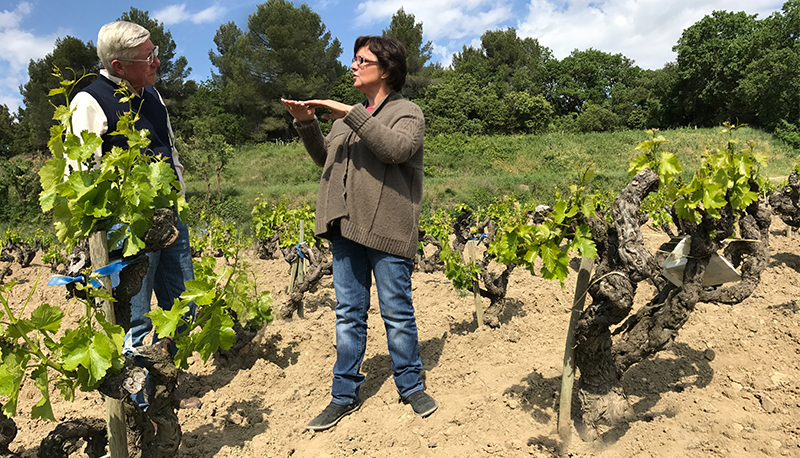
The south of France is a warm place. The grapes grown there are adapted to the heat, but achieving balance in a hot climate can still be difficult. If grapes become overripe, they contain too much sugar and too little acid, which boosts alcohol levels and flattens the palate.
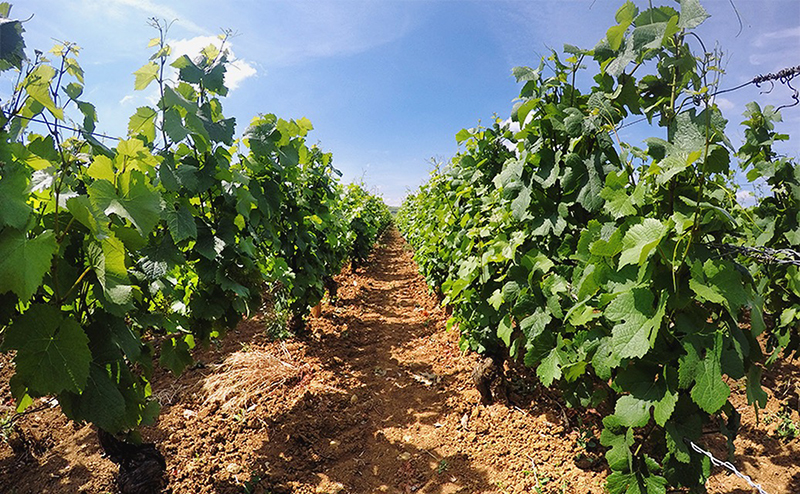
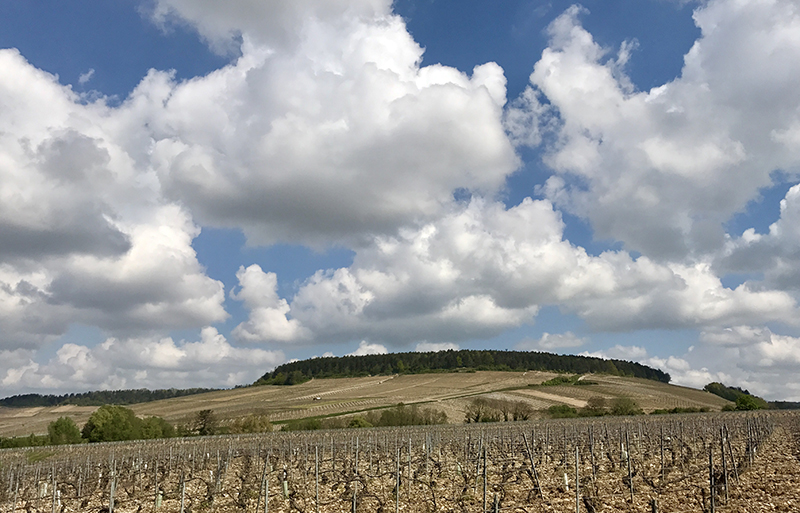
Soil plays a crucial role in determining the character of wine. Clay-rich soils produce bold wines; flinty soils imbue their wines with notes of gunsmoke. And in Chablis, the particular blend of limestone, clay, chalk, and ancient oyster shells gives its wines an elegant, lace-like minerality.
With the weather finally turning cooler, we’re beginning to reach for richer reds from the southern half of France. Today we’re highlighting three of our favorites from three of the Rhône Valley’s most famous appellations: Cornas, Côte Rôtie, and Châteauneuf-du-Pape. All are intense, rich, meaty and just delicious — they’re available by the bottle, but if you pick up a mixed case we’ll throw in free shipping, and reduce the price by $61 so one bottle is free.
The Beaujolais has always had a turbulent relationship with the rest of Burgundy. To many in the Côte d’Or, Beaujolais represents overmarketed and undercrafted wine. But in recent years the Beaujolais has undergone a renaissance, as the prominence of Nouveau recedes and more vignerons make ageworthy wine.
Most consider white Burgundy the finest expression of Chardonnay. But even within Burgundy there’s a wide range of styles and flavors; precise, crisp Chablis on one side of the spectrum, and lush, mouthfilling Meursault on the other. Today’s wine is Chablis that wants to be Meursault. And while it’s typical of neither place, it’s also […]
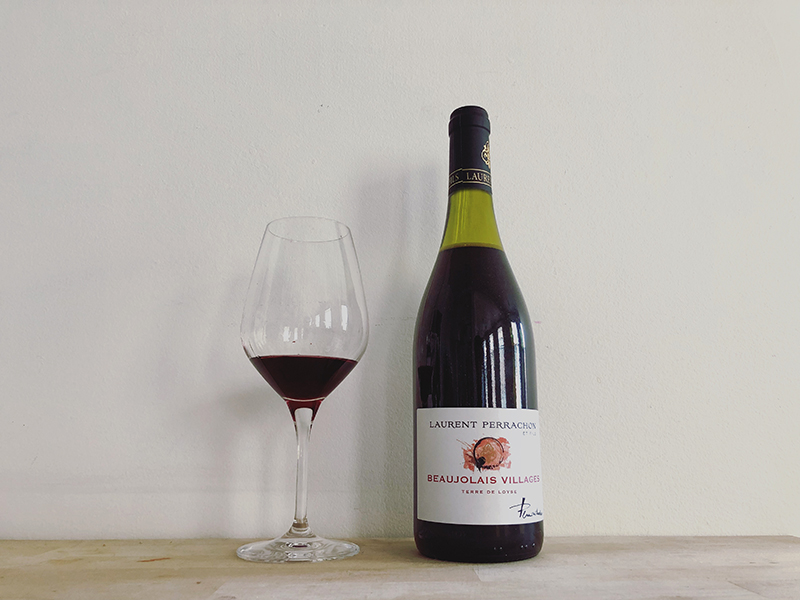
Beaujolais might be the perfect wine for the fall. Crisp air and turning leaves are an excellent match for a the cool fruit and punchy mouthfeel of first-rate Beaujolais. The region is still best known for the Beaujolais Nouveau, a quaint local custom turned global marketing phenomenon. But there’s far more to Beaujolais than cheap candied red wine.
Burgundy and Bordeaux are the two giants French wine. In nearly every aspect — style, tradition, grape varietal, scale — they are opposites. As a small père et fils enterprise, Ansonia’s model fits far better with Burgundy, and we work with more than four Burgundy sources for every one in Bordeaux.
Our final Futures issue of the year comes out next week. It includes some of our most popular winemakers — Goubert, Boyer-Martenot, Desvignes, and more — but one favorite in particular: the Domaine Michel Gros. His entire lineup of 2016s will be available next Sunday, but today we’re focusing on one wine that is always in short supply.
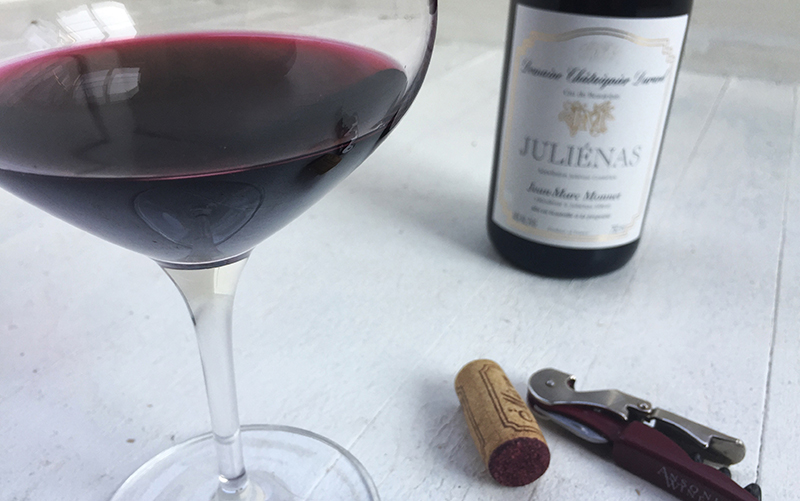
We often joke that inhabitants of the Beaujolais consider themselves Burgundian, but that the rest of Burgundy isn’t quite as sure. And while differences between the two halves abound — grape varietal, soil type, landscape, etc. — they share a tradition and style as well.
The 2015 vintage in Red Burgundy has been called one of the best in decades. Ideal growing conditions produced perfectly ripe fruit, resulting in wines that are full bodied, deeply colored, and simply delicious.
For the careful shopper, the Languedoc can be an abundant resource. Long deserving its reputation for mediocrity, the region has only recently become a source of value. There’s still plenty of bad wine made in the vast region, but if you make good choices, $16 will take you farther here than just about anywhere else.