Ten Generations of Excellence in Chassagne-Montrachet
We don’t often add white Burgundy producers to our portfolio. It’s a small region, with well-trodden paths, and most winemakers have exclusive importing relationships or very little wine to sell.
Our source in Côte Rôtie is the Domaine Bonnefond. Robert Parker calls Bonnefond’s wines “among the finest in the appellation,” and Vinous’s Josh Raynolds recently called them “as graceful a group of wines that I’ve ever sampled.” Last week we wrote about their exceptional 2015 Côte Rôtie “Rochains,” which Vinous called “superb” and awarded 95 […]
We know better than to declare winter over just yet, but today’s weather returns springtime to our minds. And we know no better wine to welcome Spring than the vibrant, exuberant, life-filled organic white Burgundies of Nicolas Maillet.
In Burgundy as in real estate, location is everything. Today’s wine comes from a vineyard in Gevrey-Chambertin called “Combottes.” It’s classified Premier Cru but surrounded on all sides by five famous Grand Crus, including Latricières, Mazoyères, and Clos de la Roche.
The 2015 vintage produced exceptional wines in nearly every corner of France. We’ve written recently about successes in Burgundy and Bordeaux, but winemakers in the Rhône were just as fortunate. Master of Wine Jancis Robinson proclaimed the 2015 Northern Rhône Syrahs “the best in 55 years.”
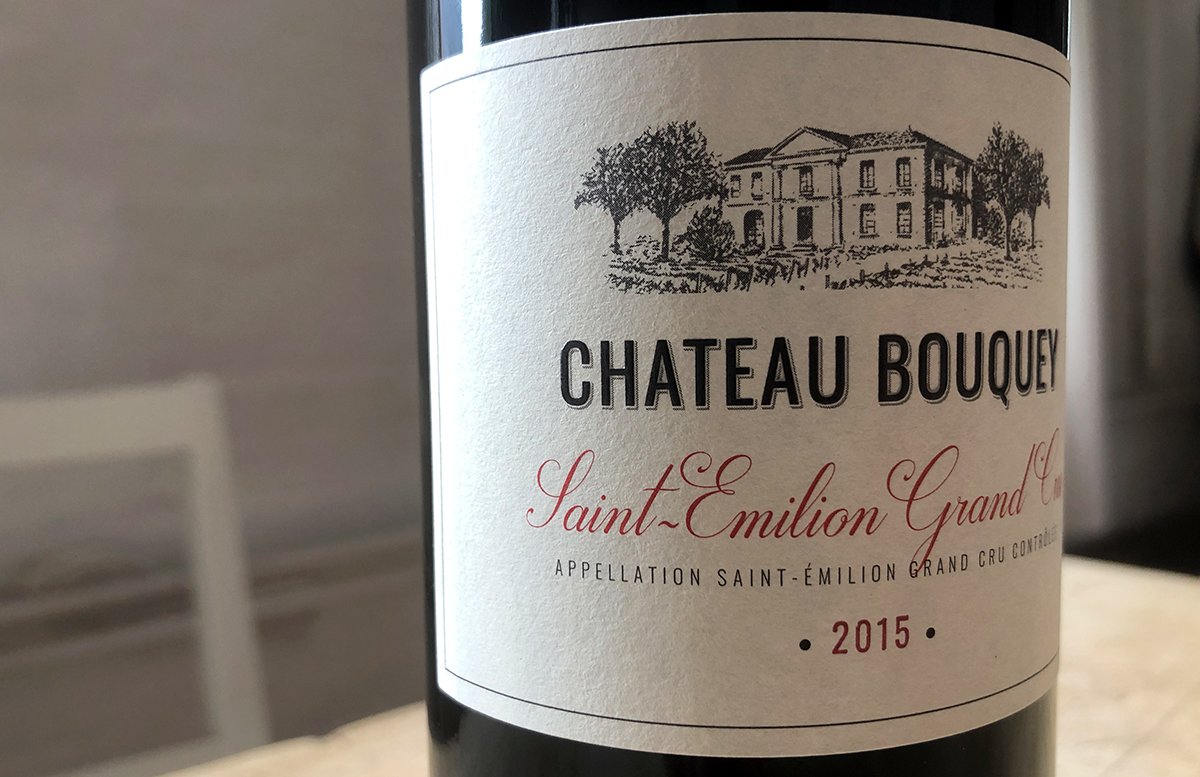
The 2015 vintage produced exceptional red wines throughout France. We’ve most recently highlighted some of our favorite examples from Burgundy and the Rhône. But the vintage was just as successful in Bordeaux.
If Sancerre had a Grand Cru vineyard, it would be the Monts Damnées. This most famous of Sancerre’s terroirs abuts the hamlet of Chavignol west of the town. Sancerre produces popular wine from every corner of its appellation, but the hillside of the Monts Damnées is special.
Christophe Bonnefond is a quiet man. Our tastings with him each year are pleasant and friendly, but he’s not what you’d call a “talker”. He’s happy to answer questions, but rarely volunteers information, preferring to let his wines speak for themselves.
The town of Maragnes is an underrated source for red Burgundy. Located at the very southern end of the Côte d’Or, it’s often left off regional maps, and its reputation is for rusticity over refinement.
The last seven years have done wonders for these wines, and so we’ve collected six of our favorites into a sampler: 3 red Burgundies and 3 red Rhônes, all from 2012.
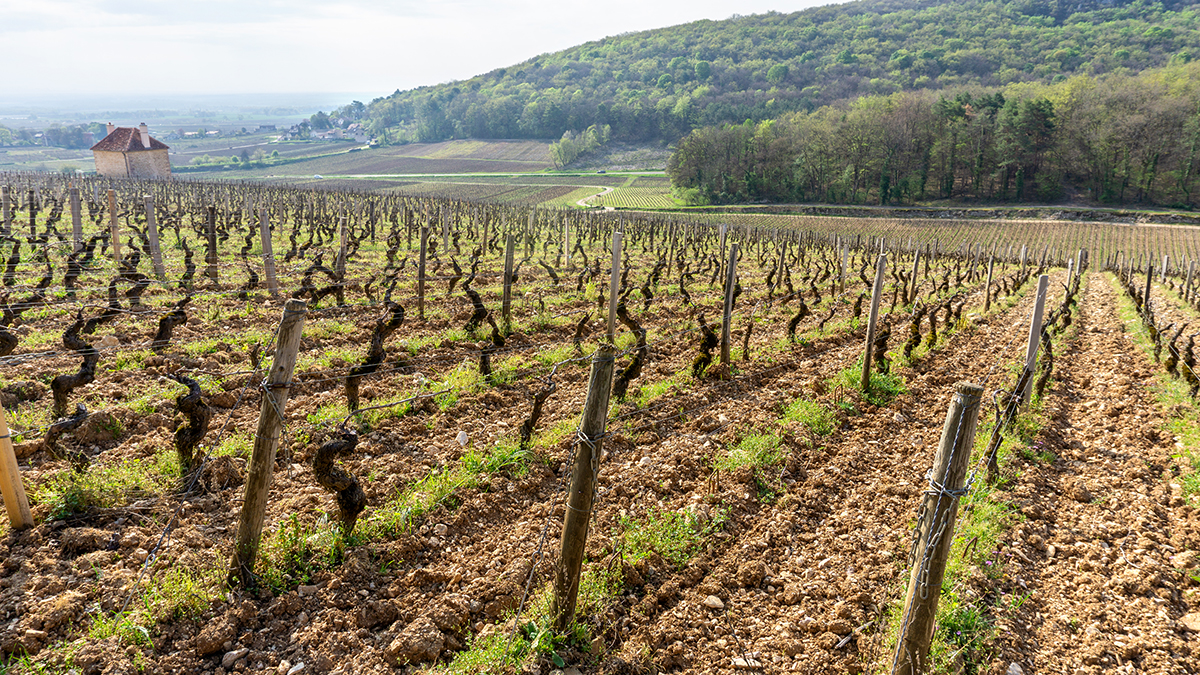
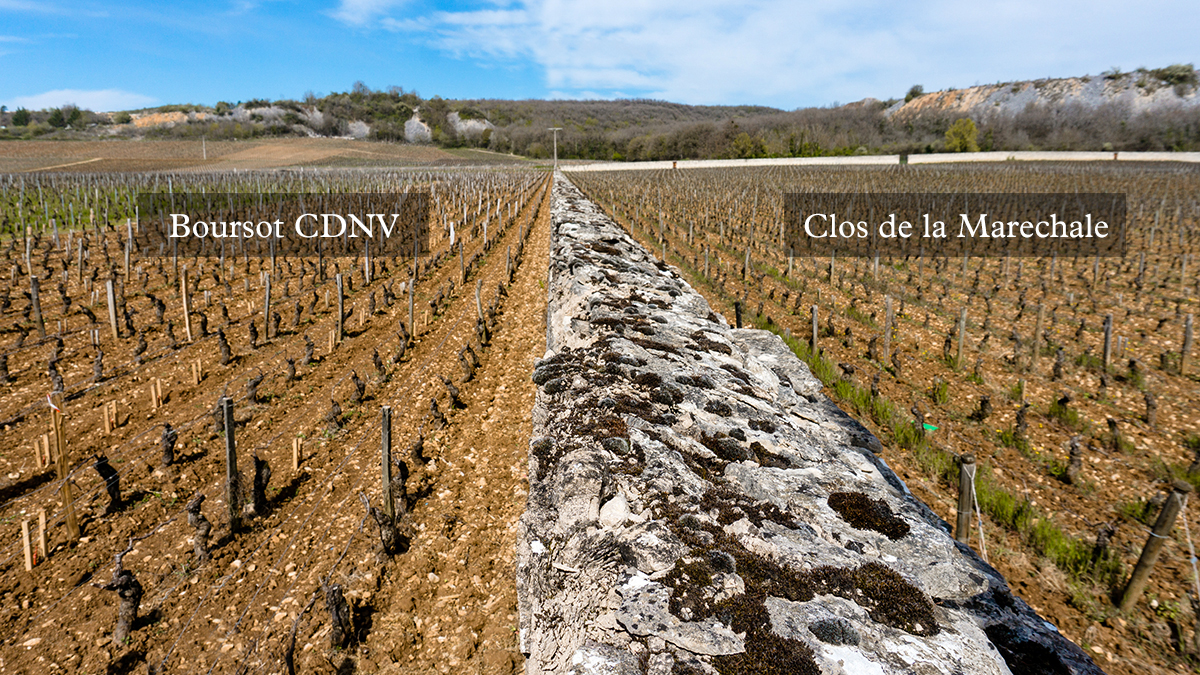
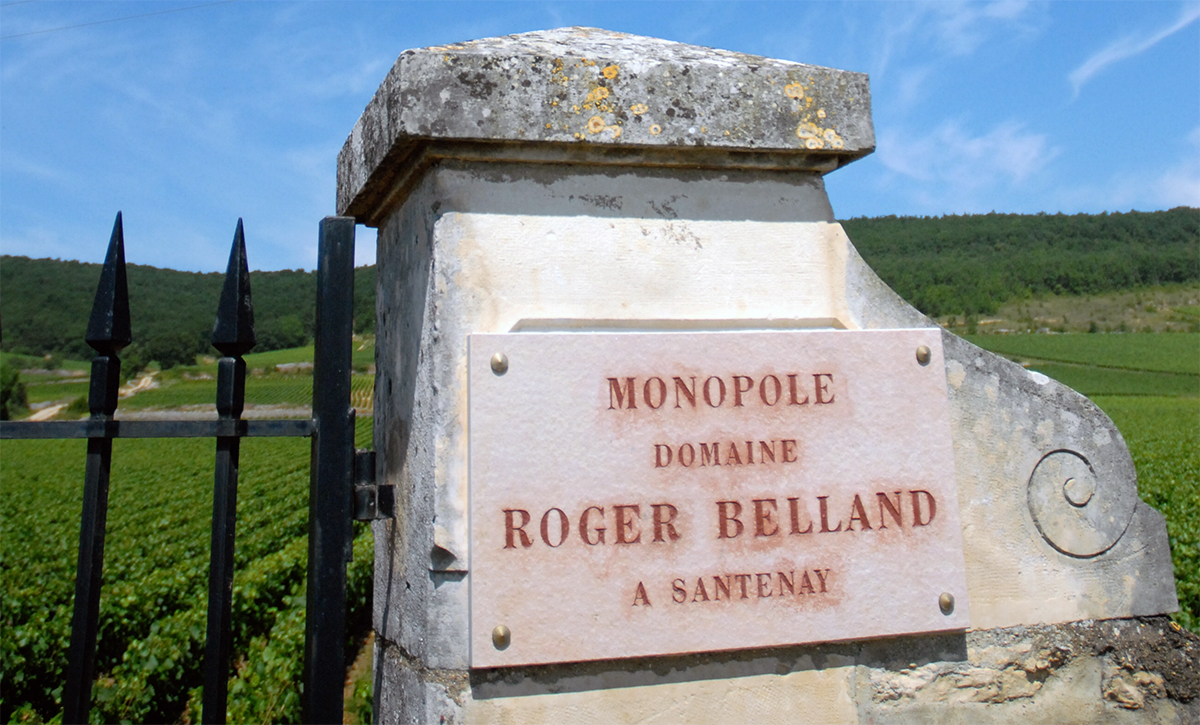
Chassagne-Montrachet is one of the three principal white wine growing towns in Burgundy’s Côte d’Or. A century ago it was best known for its red wines, but today most famous Chassagnes are rich, mouthfilling whites.
Some wines we import are meant for grand occasions. These are the famous wines of Bordeaux, Burgundy, and Champagne – bottles to pull from the back of the cellar when the moment is significant. (Yesterday’s “magical” 2017 Grand Cru Chablis would qualify.)
Of the 12,000 acres of vineyards planted in Chablis, only seven vineyards covering 250 (2%) qualify as Grand Cru. And of these seven, most consider the “Les Clos” the finest. As Master of Wine Clive Coates puts it, Les Clos combines “depth, intensity, and great elegance” – or in other words, is “Chablis at its very, very finest.”
The Hill of Corton sits just north of Beaune, dividing Burgundy’s Côte d’Or in two. Local inhabitants have tended vines here since Roman times. The Emperor Charlemagne (742-814) was a particularly enthusiastic patron of the wines of Corton, and the hill’s most famous whites are still named for him today.
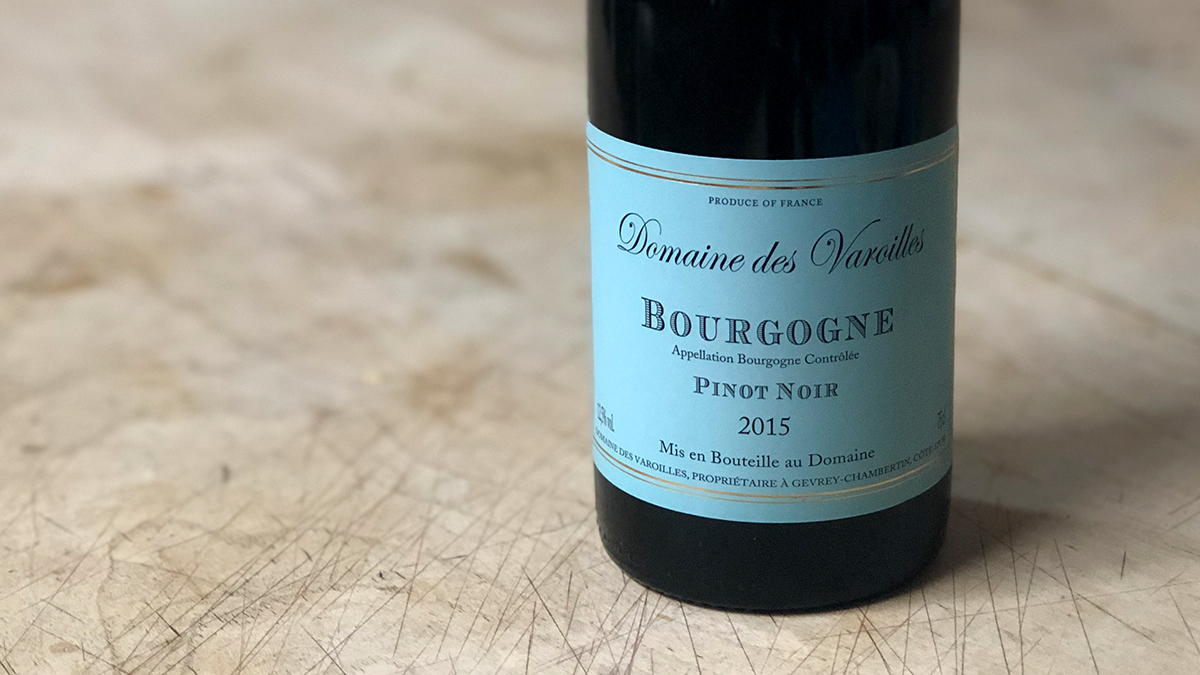
The Côte d’Or is home to nearly all of Burgundy’s most famous wines. Centuries ago local monks discovered the Côte’s unique combination of soil, exposition, slope, and weather; today it continues to be a near-perfect place to grow Pinot Noir and Chardonnay.