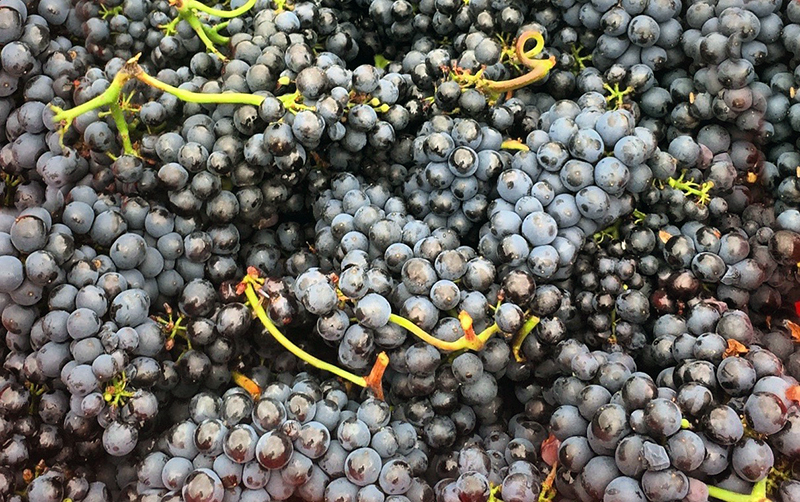
Two Mixed Cases: 2015 Red Burgundies (up to $120 off)
The 2015 red Burgundies have been great successes. Warm weather, small berries, and low yields made for a vintage that many critics have called one of the best in decades.

The 2015 red Burgundies have been great successes. Warm weather, small berries, and low yields made for a vintage that many critics have called one of the best in decades.
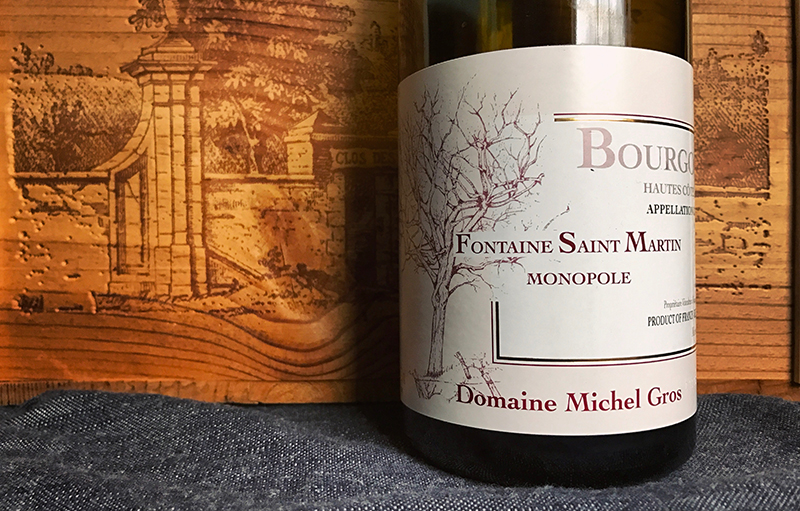
Michel Gros is the most recognizable producer in our portfolio. His wines are elegant and precise, often showing smoky or toasty qualities, and always silky and beautiful. A few years ago Clive Coates MW listed Michel Gros in the top 17 domaines in all of Burgundy — a list that included Romanée-Conti, Leroy, and Comte Lafon — and highlighted the “nobility and elegance” of his wines.
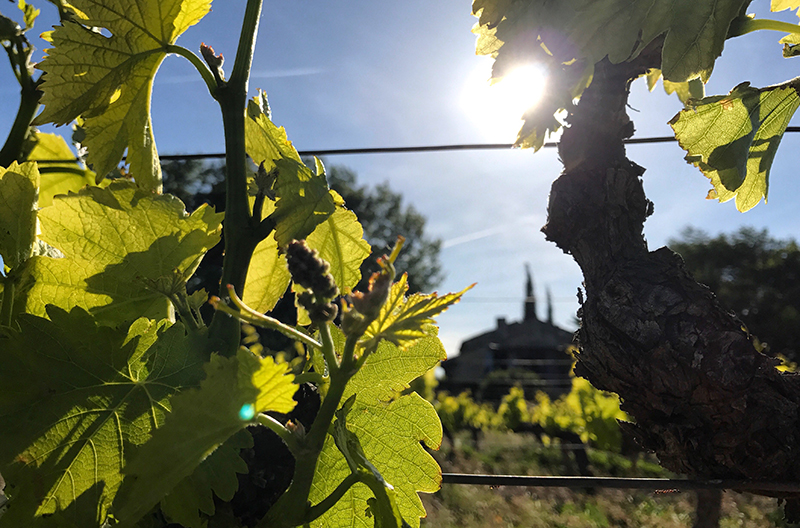
For a crowd-pleasing red, it’s hard to beat Côtes du Rhône. Guests with New World leanings will appreciate the richness and full flavor. Those with Old World inclinations will appreciate the balance and traditional style. It’s a wine nearly everyone will enjoy without too much thought.
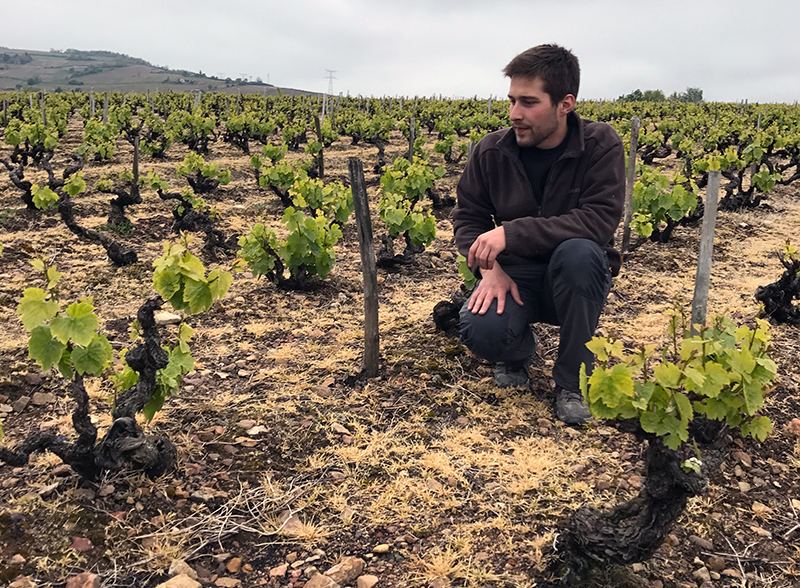
For many, “serious Beaujolais” is an oxymoron. The region still suffers from its bacchanal, nouveau image — a triumph of marketing and little else. But there’s some truly exciting wine being made in Beaujolais these days. Take the Domaine Perrachon, a multi-generational domaine in Juliénas. Though their wines are from gamay, their style is refined and polished, and their cuvées easily rival the density and complexity of a top Bourgogne rouge.
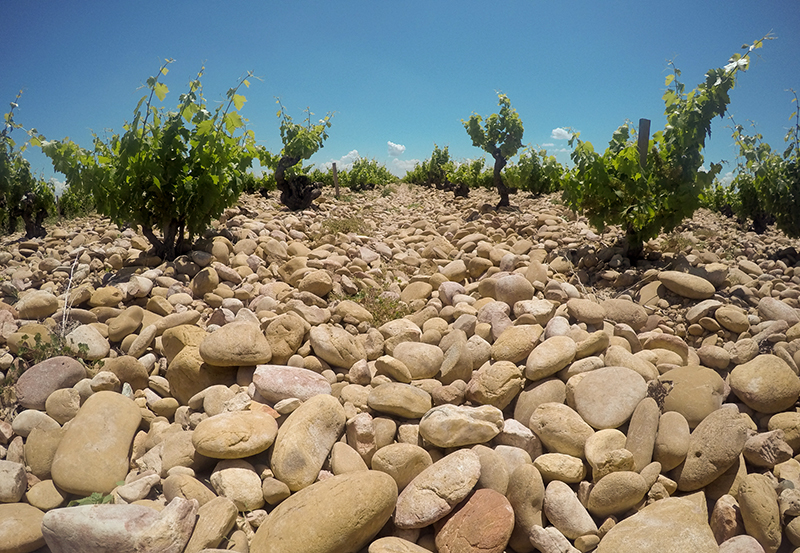
Châteauneuf-du-Pape is among the world’s great wines. Made famous by French Popes more than seven centuries ago, the area boasts a long winemaking history. Today the small appellation (only about 12 square miles) makes some of the world’s most sought-after wine.
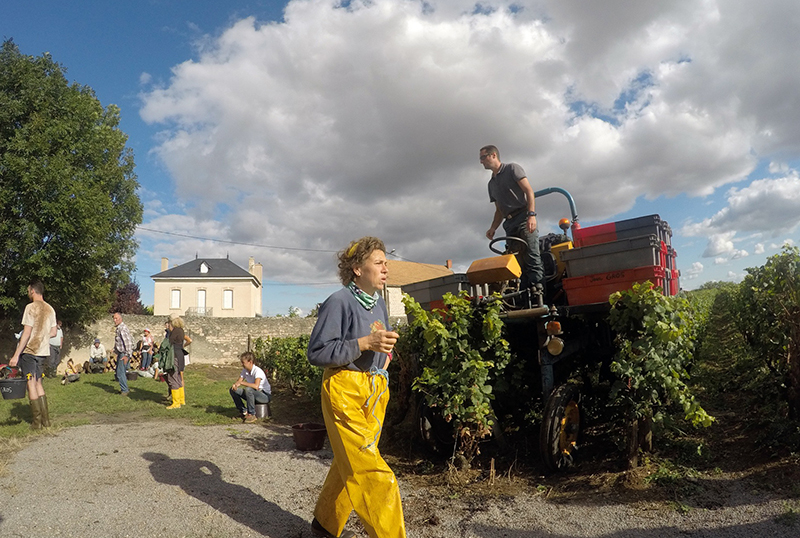
From our deck above Harpswell Sound we can watch the turn from Summer to Fall. Morning still carries the throaty rumble of lobster boat engines, but there are fewer traps and fewer boats now. Last evening half a dozen seals returned to the rocks beyond our dock; soon they’ll move south and stay there until […]
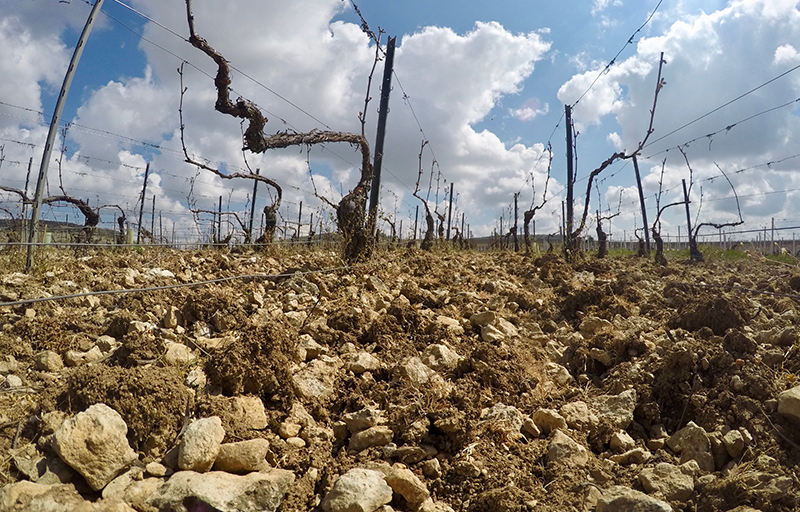
Chablis continues to be one of the best bargains in the wine world. Though the past few years have brought devastating frosts and hailstorms to the region and the available quantities have plummeted, winemakers have only gently raised prices. Where village level white Burgundies from the Côte d’Or quickly push past $50, fine Premier Cru Chablis can still be had for under $40.
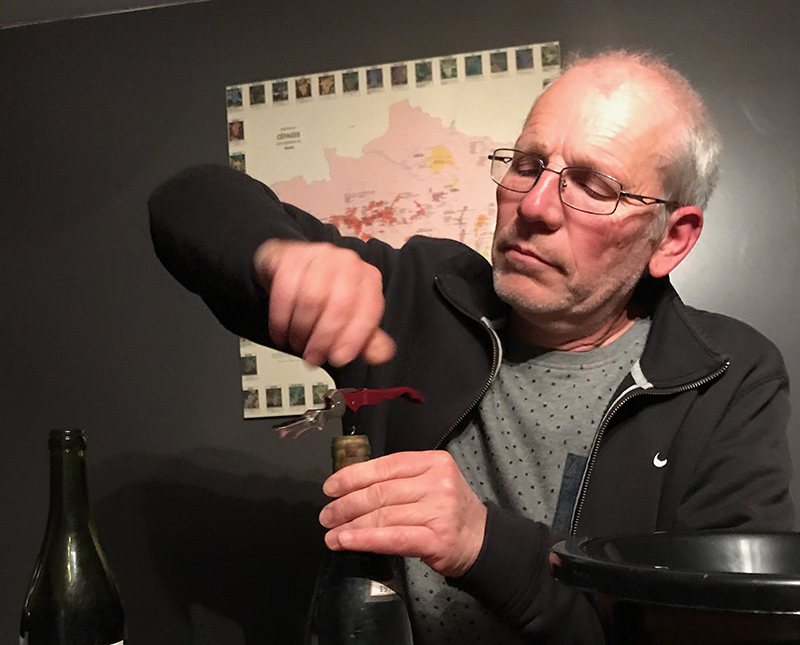
Jean-Marc Monnet is one of those winemakers an importer dreams about finding: no website, no press reviews, no American importer, not even a road sign. Located in Juliénas in the Beaujolais, Monnet’s wines are pure gamay — clean, juicy, and bursting. They’re vibrant expressions of the lush rolling hills from which they come.
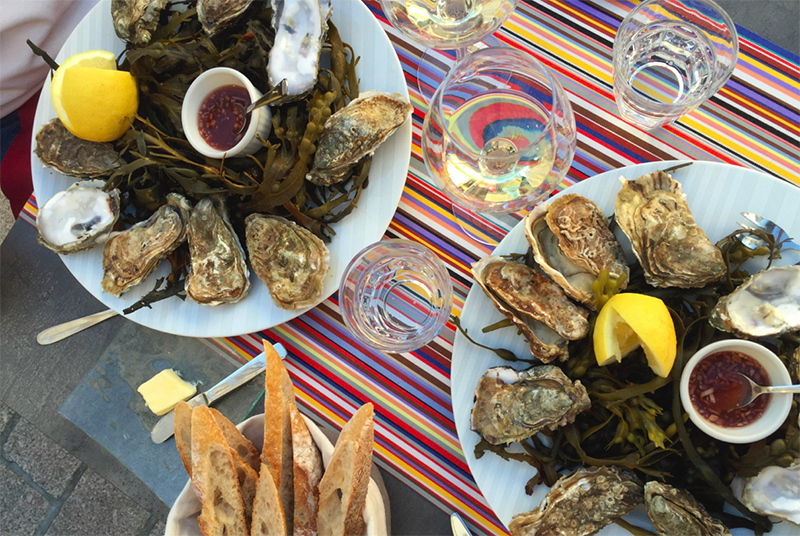
Oysters are a common sight at French markets. Huitres are a natural pairing for wine, in both the gustatory and philosophical senses. Just like wine, they’re an expression of terroir (or merrior, if you like) whose character changes with their origin. And in matters gustatory, well, it’s a match made in heaven.
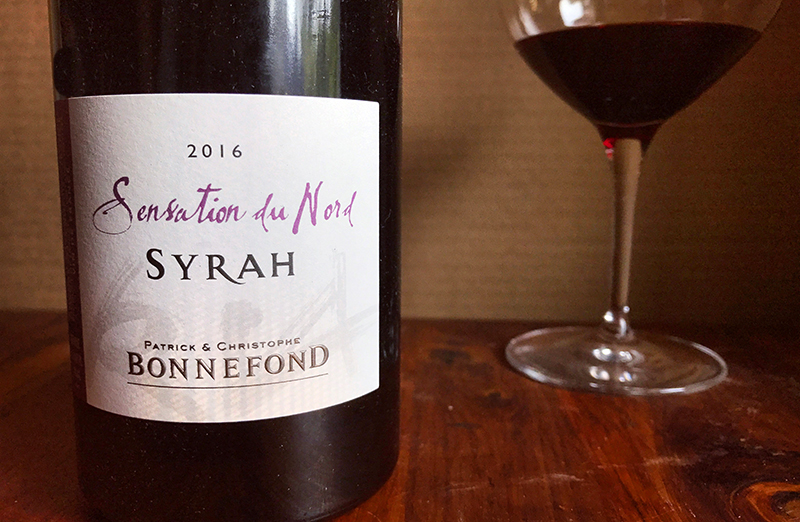
For fans of Syrah, France’s Northern Rhône Valley is Mecca. It’s at the grape’s northern ripening limit, a geographic marker where grapes usually find their finest expression. The most famous reds from the Northern Rhône — from towns like Côte Rôtie, Hermitage, and St-Joseph — are some of the longest lived and most highly sought after wines in the world.
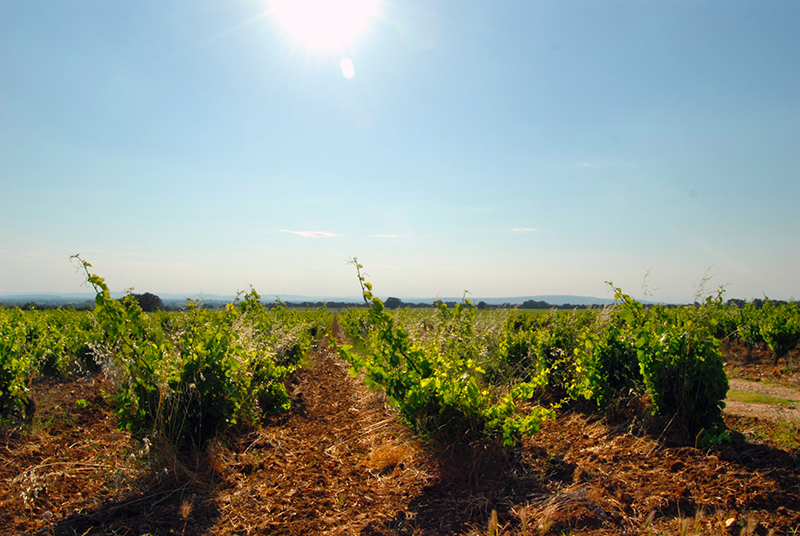
Châteauneuf-du-Pape is one of the most recognizable brands in wine. Made famous by French popes in the 14th century, and then again by Robert Parker in the 1980s, the appellation’s place on the winemaking map is well established. And well deserved — the wines can be extraordinary, though they often come at a “special occasion” price point for most wine enthusiasts.
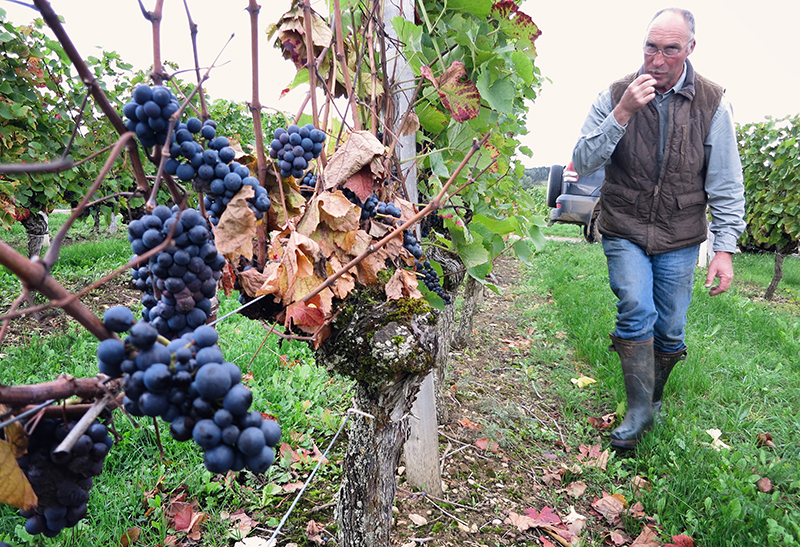
The most important thing to know about a wine from Burgundy is the location of the vines, but knowing the winemaker is a close second. We’ve had disappointing bottles from famous Grand Crus and brilliant wines from lesser terroirs. Often a highly skilled producer can create unusually good wine from humble origins.
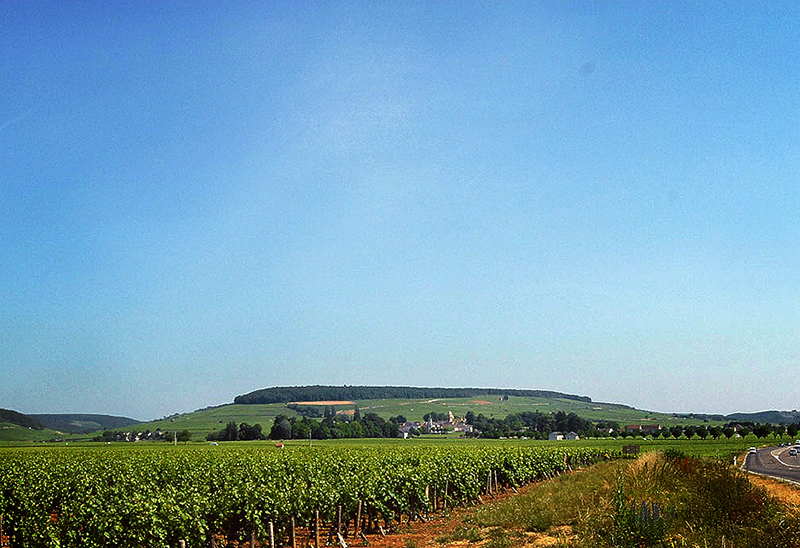
Only two white wine terroirs in Burgundy’s Côte d’Or hold the status of Grand Cru. Montrachet and its satellites, in the south between Chassagne and Puligny, are the more famous. The other is Corton-Charlemagne, perched on a large hill marking the midpoint of the Côte d’Or, so named after it was made a gift from the Holy Roman Emperor.
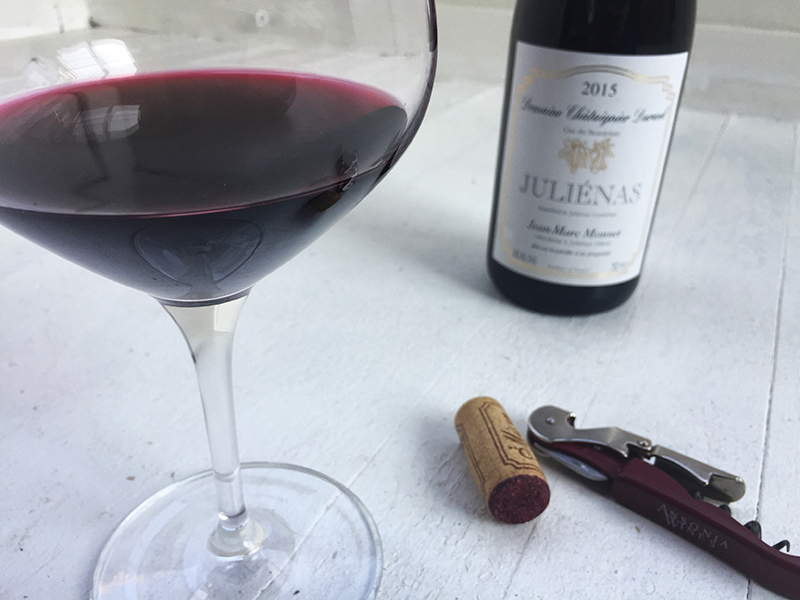
The Gamay grape has had a turbulent history. In 1395 Duke Philip the Bold concluded Gamay was “evil and disloyal,” and banished it from the northern half of Burgundy. For the past six centuries it has found refuge in Beaujolais, where it produces mostly simple reds — fruit-forward and inexpensive.
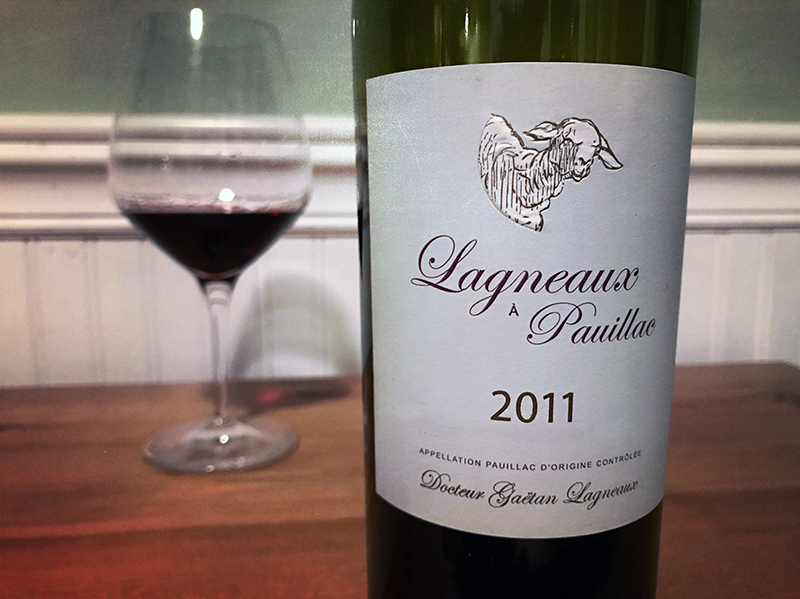
The famous wine writer Hugh Johnson once wrote, “If one had to single out one commune of Bordeaux to head the list, there would be no argument. It would be Pauillac.” This tiny town in the heart of Bordeaux is most famous for its three superstar chateaux: Latour, Lafite-Rothschild, and Mouton-Rothschild. But there’s more to Pauillac than just these legendary vineyards.