“Sleek” and “Gorgeous” New 2015 Red Burgundy
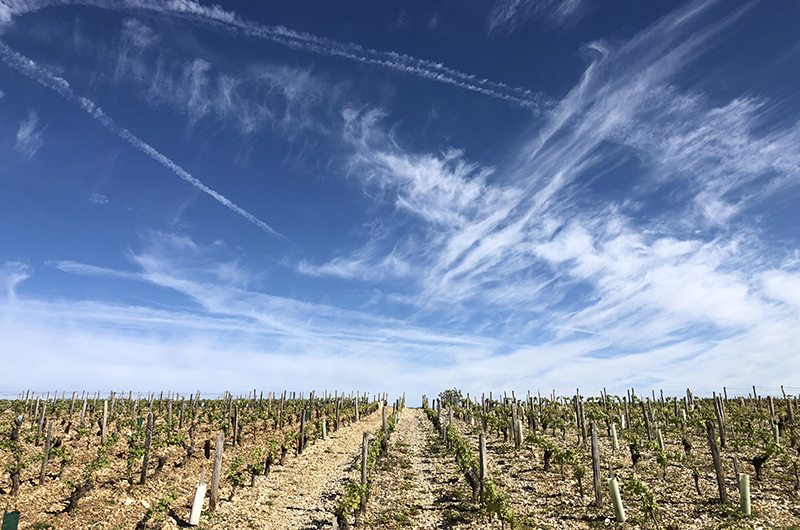
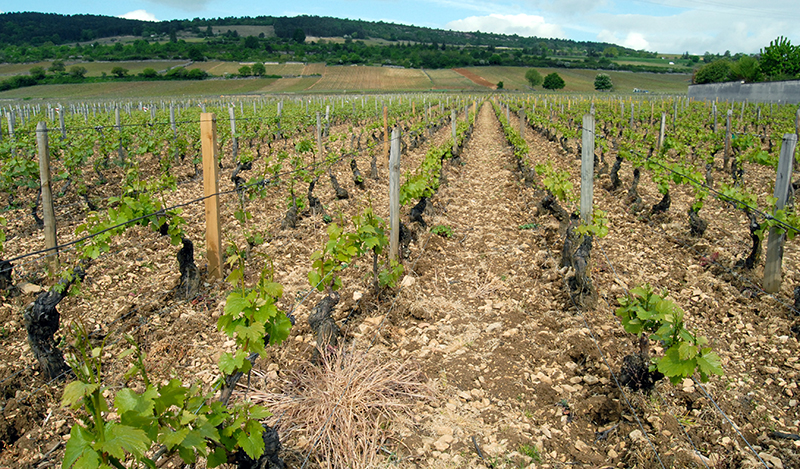
The 2015 red Burgundies are a delight: they’re popular, delicious, and built to last. We’ve stocked up on as many as our shelves can handle, and hope to have them around to offer for some time to come.
Burgundies have been the world’s most sought after white wines for centuries. The region produces an enormous range of wines, from everyday Petit Chablis to the extraordinary whites of Montrachet and its neighbors. In the glass White Burgundies among the most popular wines we know, a perfect balance between fruit, minerals, freshness and weight. We’ve collected three new samplers at three price points, designed to match any occasion.
We think grilling reds should to be three things: fruit forward, chillable, and inexpensive. Smoke flavor from the grill works well with a juicy foil. Cooked foods on a hot day pair with something a bit cool. And because grilling often means a crowd, we like to have something affordable around in quantity.
Corton-Charlemagne is one of the world’s great white wines. The large hill just north of Beaune has produced fine and long-lived white Burgundies for over a thousand years. As you might expect from such storied Grand Cru terroir, the wines don’t come cheap.
Ask a group of sommeliers to name their favorite wine region and most will say Burgundy. But ask them to pick a single favorite grape varietal, and we’d put some money on Riesling. Aside from its excellent food friendliness, Riesling communicates terroir with as much honesty and precision as any other grape.
Most wines taste better with food, and some require it. But other wines are complete glasses on their own. One of our favorites in the “aperitif” category is the Auxerrois (OH-sehr-WAH) from our friends at the Domaine Mersiol in Alsace. Whether you’re welcoming guests to a dinner party, or looking for something refreshing on a summer afternoon, this is the perfect standalone glass of white.
Winemaking has seen significant improvement over the last century. New treatments and measurements have given winemakers far more control over their craft. “Poor vintages” are now less common, but in the cheap many wines give up true expression for homogeneity.
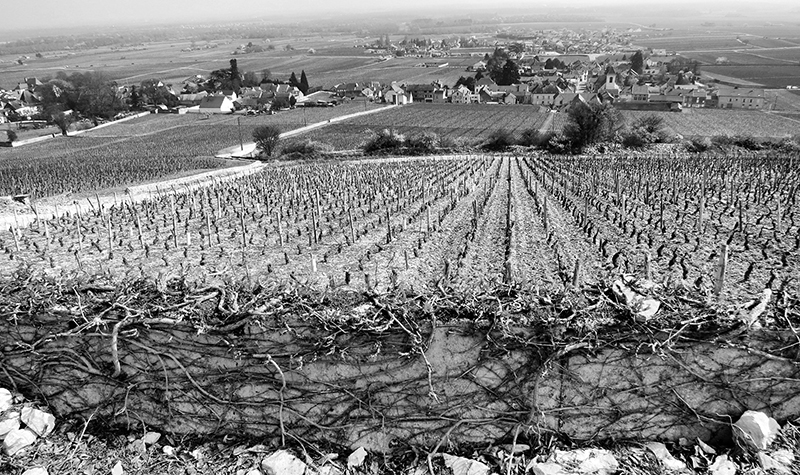
Michel Gros is as much a part of Vosne-Romanée as its pointed steeple, its ancient vineyards, and its narrow crooked streets. He is a lifelong resident of the town, as were his father and grandfather before him — his mother was even mayor. The Gros family name has been synonymous with Vosne-Romanee for centuries.
Rosé should be easy — a simple wine for an uncomplicated moment. Some rosés go well with food, and our options this year from Malmont and Goubert are both refreshing and delicious. But today’s rosé is best on its own, as a pleasant aperitif on a patio or roof deck.
And now for something a bit different. Today we introduce a new winemaker, a new country, and a new grape varietal. Isaiah Wyner, our Newton Depot manager, spent some of last summer researching and visiting wineries in Austria, and found some promising leads. Today we’re releasing the first.
Most wines taste the way they appear. Light-colored wines tend to have light body, and dark, opaque wines are big and mouth filling. Our favorite exception to the rule is Northern Rhône Syrah: inky black wine with intense flavor but astonishing finesse.
Chablis is a singular place. Its combination of deep stony soils and cool climate exists nowhere else on earth. These factors produce a similarly unique wine — mineral and crisp, pure and clean. Our goal as importers is to find wines that reflect the place from which they come, and there is no better place to find such wines than Chablis.
We tend to drink simply in the summer. Some summer moments call for grand bottles — weddings, graduations, etc. But when we think of “summer wine,” it’s something refreshing, uncomplicated, and inexpensive.
We’d bet that many readers have garages bigger than the Domaine Malmont’s winemaking space. We work with some small-production winemakers, but even by our standards Malmont’s winery is tiny. The space attached to winemaker Nicolas Haeni’s house in Séguret looks more like a large tool shed than a winemaking operation.
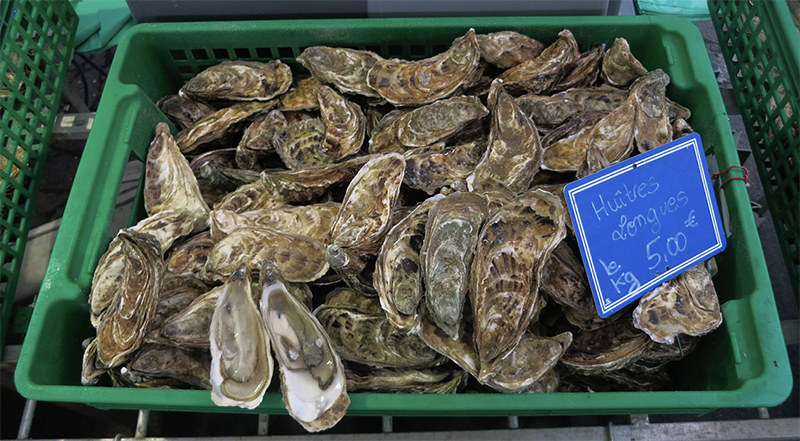
Perched where the Loire river meets the windswept Atlantic coast, Muscadet has long been a source for a classic, dry white wine. Served by the carafe in the oyster bars of Paris and London for decades, it’s refreshing, abundant, and inexpensive — a perfect glass to wash down a plate of crustaceans.